
A major telecom contractor, TSI Tower Services, abruptly ceased operations in mid-August 2026, leaving up to 80 employees in the Southwest without their final paychecks and facing unexpected lapses in health insurance coverage.
The Abrupt Shutdown and Its Immediate Impact
TSI Tower Services, based in Chandler, Arizona, operated across Arizona, New Mexico, Colorado, and Nevada. The company's sudden closure around August 18 left as many as 80 employees without their final wages. Beyond the immediate loss of income, many workers were also blindsided by the discovery that their company health insurance policy had lapsed on May 31, 2026, even though premium deductions continued from their paychecks for weeks afterward. Internal company records confirmed these deductions occurred across at least four consecutive pay periods following the policy termination.
One former employee reported incurring a medical bill of roughly $500 for a doctor's visit taken while still believing their coverage was active. This situation created significant stress, particularly for families with dependents requiring ongoing medical care, leaving them uncertain about coverage for scheduled appointments.
This incident underscores the critical importance for field crews, crew leads, and safety managers to regularly review their pay stubs and understand the status of their benefits. A sudden loss of coverage can have immediate and severe financial consequences, especially when unexpected medical needs arise.
Financial Fault Lines Beneath the Surface
Chris Trout, TSI's President and CEO, attributed the company's collapse to a cumulative effect of a multi-year industry slowdown and significant margin compression within the wireless construction sector. He emphasized that the situation was not the result of any single client or project, but rather a combination of challenges that created a severe liquidity problem.
However, corporate filings reveal a complex financial structure that likely complicated efforts to pay employees. Trout acquired TSI in November 2022, financing it partly with a $2 million loan from the founding Johnston Family Trust. This loan was secured, though subordinate to a senior secured position held by Western Alliance Bank. Furthermore, a separate blanket lien filed in May 2026 by Seamless Funding LLC extended to TSI Tower Services, its affiliated entities, its employee profit-sharing plan, and included a personal guarantee from Trout.
This debt structure has direct implications for employees awaiting back pay. Any funds TSI receives would likely first be subject to claims from one or more senior secured creditors before reaching unsecured obligations like employee wages, unless those creditors specifically release or subordinate their claims. While Trout has stated that funds exist to pay employees and reimburse improperly withheld insurance deductions, he has not specified whether these funds are free of competing claims, nor has he committed to a specific payment date.
Any funds TSI receives would likely first be subject to claims from one or more senior secured creditors before reaching unsecured obligations like employee wages, unless those creditors specifically release or subordinate their claims.
For crew leads and safety managers, understanding the financial health of the companies they work for, or for which they subcontract, is increasingly vital. Financial instability can create a ripple effect, potentially impacting everything from equipment maintenance and training budgets to the overall morale and safety culture of a crew.
The Role of Carrier Pricing and Industry Pressures
Recommended certification
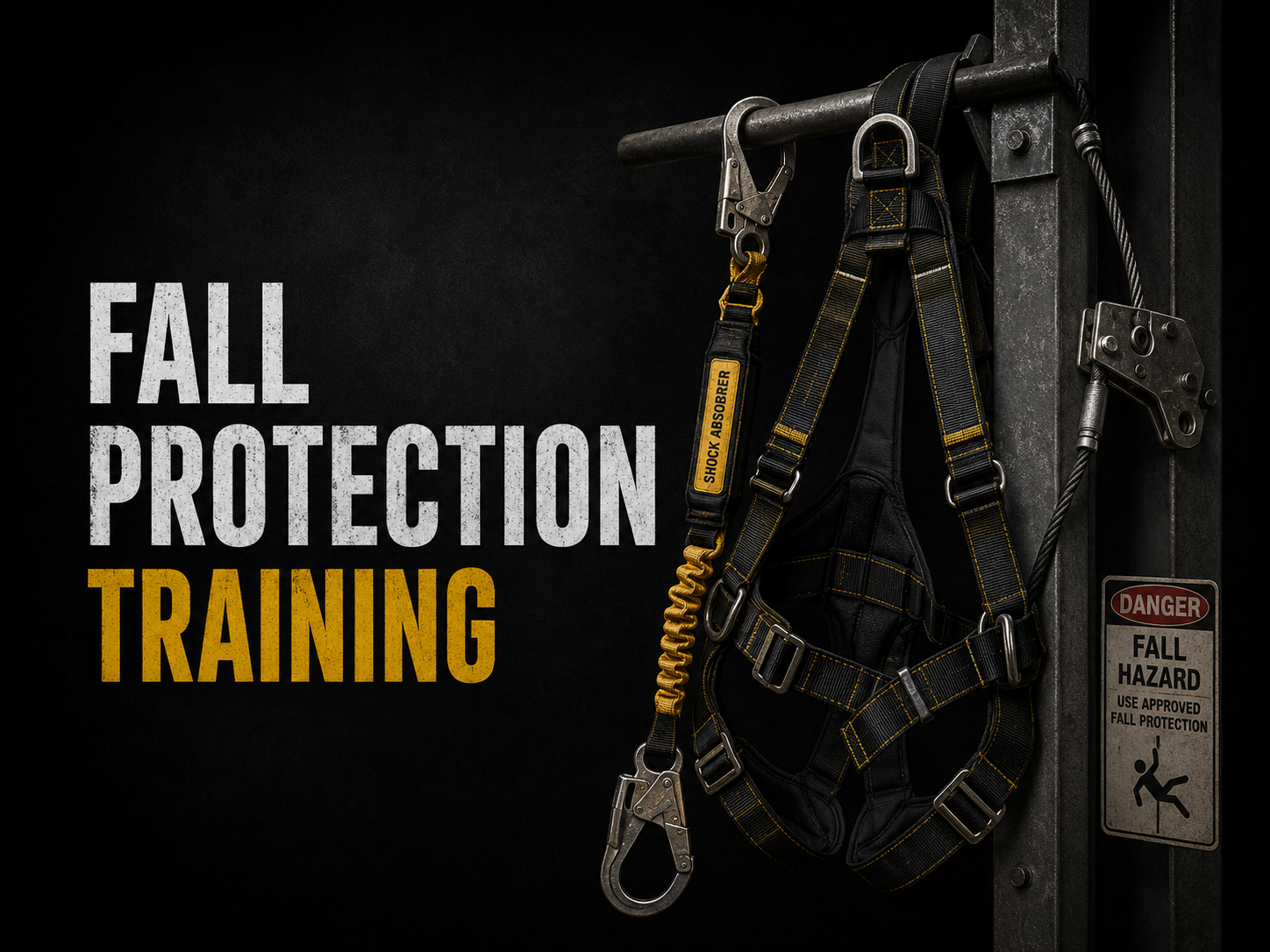
Fall Protection Training
$30 · ~30 min online · certificate issued same day · valid 2 years
Also read: Detroit Cell Site Battle: Why Clear Easements Matter for Tower Crews · Westlake, TX Cell Tower Battle: Federal Order vs. Local Appeal
TSI was a significant partner for Verizon, accounting for roughly 30 percent of its business. The company had recently been selected as one of five preferred vendors in its Verizon market. However, this selection occurred within a broader industry context where Wireless Estimator has documented significant pricing reductions off 2021 rates in every market reviewed, despite Verizon's prior commitments to the FCC and NATE to adjust matrix pricing for inflation.
Such aggressive pricing can make profitability challenging from the outset, turning a new contract into a precarious venture rather than a stabilizing win. Verizon's own qualification standards for preferred vendors reportedly require contractors to demonstrate annual revenue several times the value of the awarded Verizon work. Given TSI's documented financial position, including its secured debt and blanket liens, questions arise about how the company met this standard at the time of its selection.
The reduction of Verizon's contractor base from approximately 450 to about 80 in 2026 further intensifies competition and pricing pressures. FCC Chairman Brendan Carr has publicly stated that if Verizon is not upholding its commitments within the FCC-NATE-Verizon framework agreement, it would be a problem. The ultimate impact of these carrier-driven pricing strategies on contractor viability and, by extension, workforce stability and safety, remains a critical concern across the industry.
Broader Implications for the Workforce and Industry Safety
The challenges faced by TSI Tower Services are not isolated. Employees are not the only parties owed money; multiple contractors, vendors, and even Verizon's Minor Materials Distributor are also claiming unpaid obligations. This situation highlights the vulnerability of all stakeholders in a financially distressed company and the complex hierarchy of claims on limited assets.
For safety managers, financial instability within a contracting firm can have direct consequences for safety standards. When companies face severe financial pressure, there's an increased risk that corners might be cut in areas like employee training, maintenance of safety equipment, or providing adequate personal protective equipment (PPE). Adherence to critical safety standards, such as those outlined in OSHA standard 1926.501 for fall protection, relies on consistent investment in resources and training, which can be jeopardized by economic hardship.
Crew leads bear the responsibility of ensuring their teams work safely, and they must be vigilant for signs that financial stress might be impacting the availability of necessary safety resources. Understanding the broader economic landscape and advocating for fair compensation for work performed can indirectly support a stronger safety culture, as financially stable companies are better positioned to invest in compliant practices.
Safeguarding Your Future in a Volatile Market
In an industry facing economic headwinds, proactive measures are essential for all professionals:
- For Tower Climbers and Field Crews: Regularly verify your pay stubs for accurate deductions and confirm your health insurance coverage directly with the provider. Maintain an emergency fund to cushion against unexpected job losses or delays in pay. Stay informed about the financial health of your employer and the broader industry.
- For Crew Leads: Develop strong communication channels with management to voice concerns about resource availability. Be prepared to adapt to changing operational conditions and ensure your team's safety remains paramount, even under pressure. Document any safety concerns related to resource constraints.
- For Safety Managers: Implement robust due diligence processes for subcontractors, including evaluating their financial stability. Understand that aggressive pricing models from carriers can create systemic pressures that may indirectly affect safety compliance. Advocate for realistic project timelines and budgets that allow for proper safety protocols and training built to OSHA standards.
This incident serves as a stark reminder of the interconnectedness of financial stability, worker welfare, and safety within the wireless infrastructure industry. Vigilance and proactive engagement from all levels of the workforce are crucial for navigating these complex challenges.

