Online Construction Safety Training Courses
25 online construction safety courses built to OSHA standards — from fall protection and trenching to silica dust and crane signals. Finish most in about an hour and walk away with a same-day, verifiable certificate of completion.
Construction Training Courses
View all 25 courses in the catalog →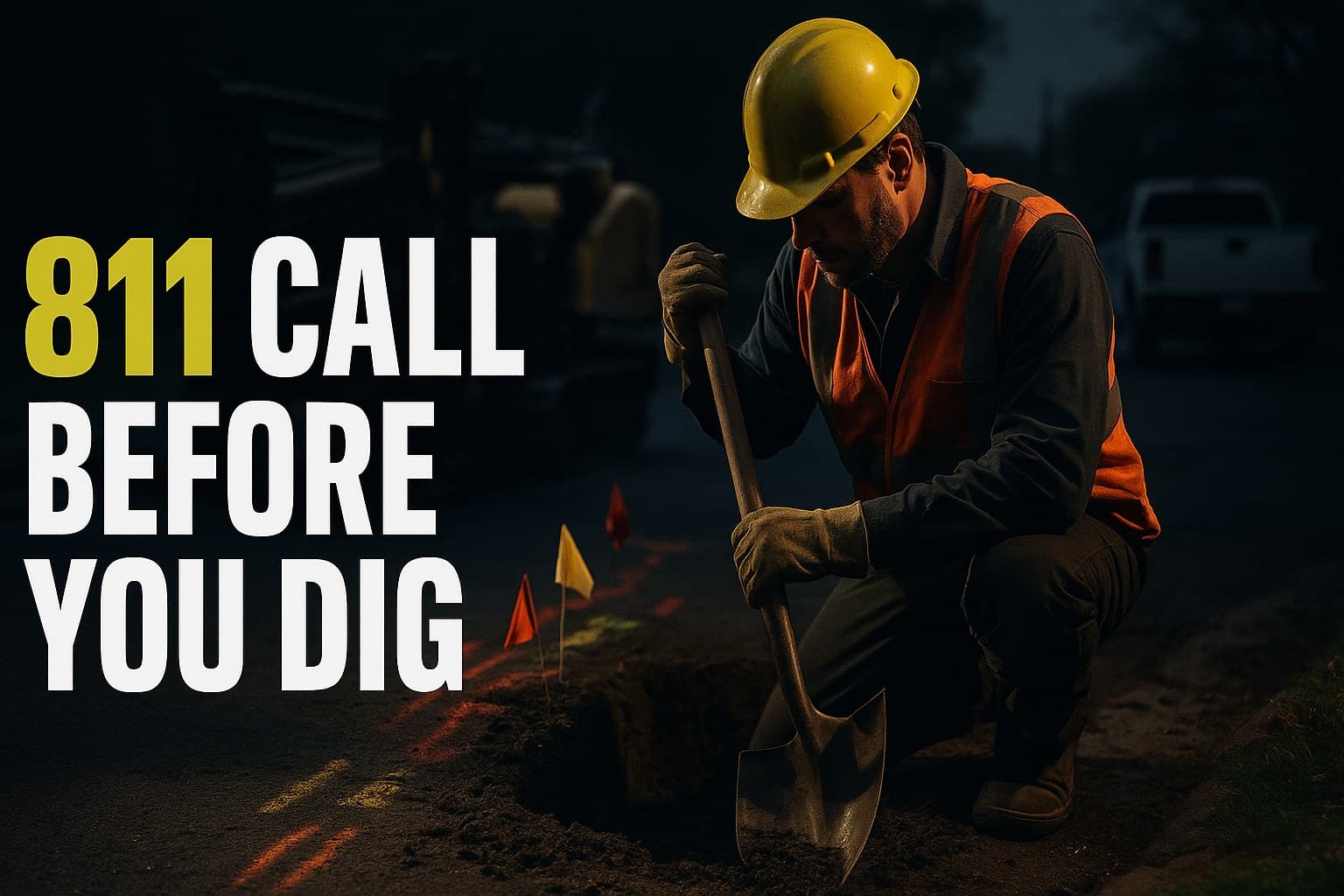
811 Call Before You Dig & Underground Damage Prevention
The one-call process from ticket to positive response, the APWA color code, white-lining and the tolerance zone, potholing and hand-digging, HDD-specific hazards including cross-bores, and what to do on a gas, electric, or fiber strike. Built to OSHA standards (1926.651(b)) — a certificate of completion, not a state locate certification.
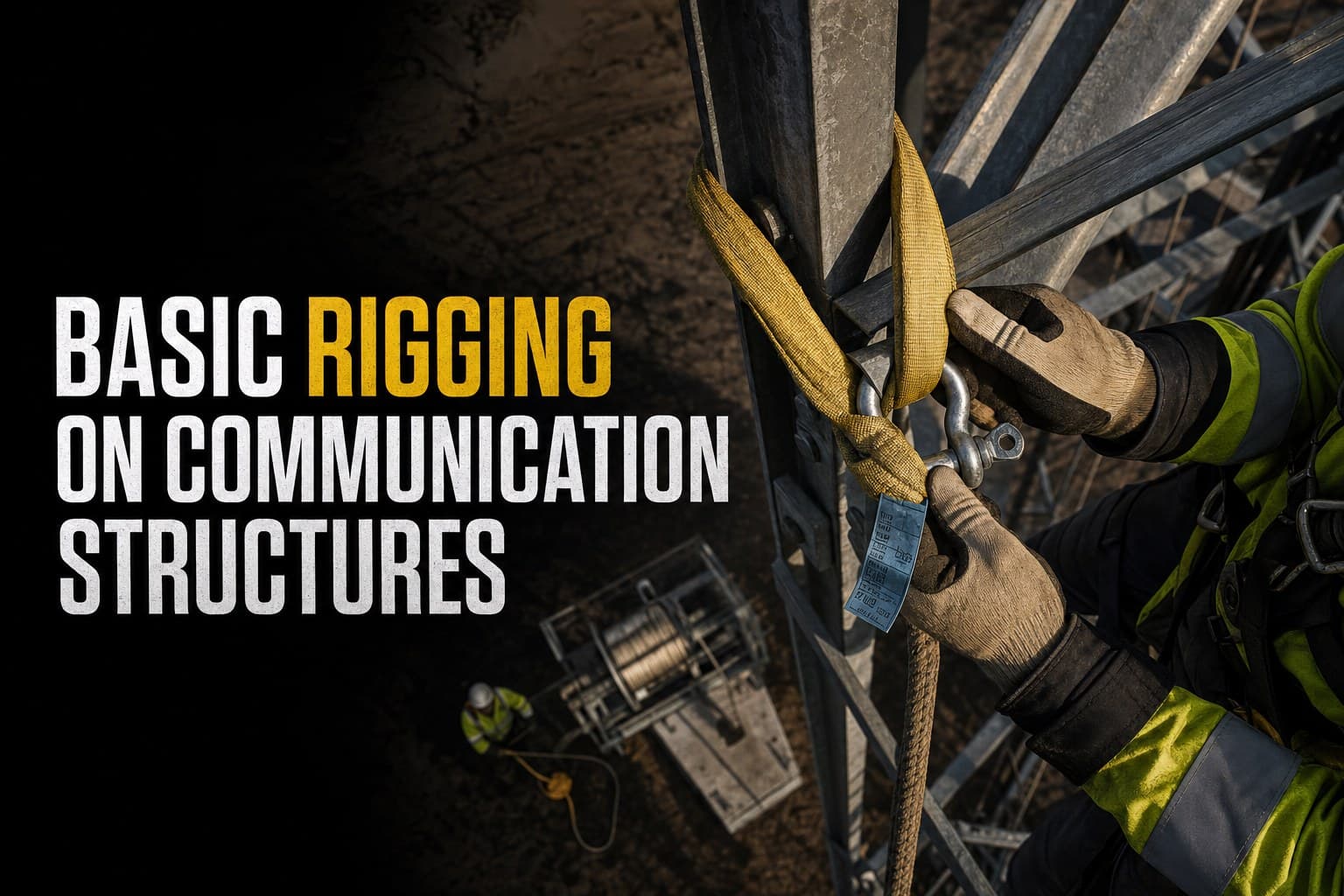
Basic Rigging Principles on Communication Structures
Rigging theory for tower crews: sling types and their tags, hitches and sling angle, rigging hardware, inspection and removal-from-service criteria, the rigging plan and its classes, and load control on the structure. Built to OSHA standards.
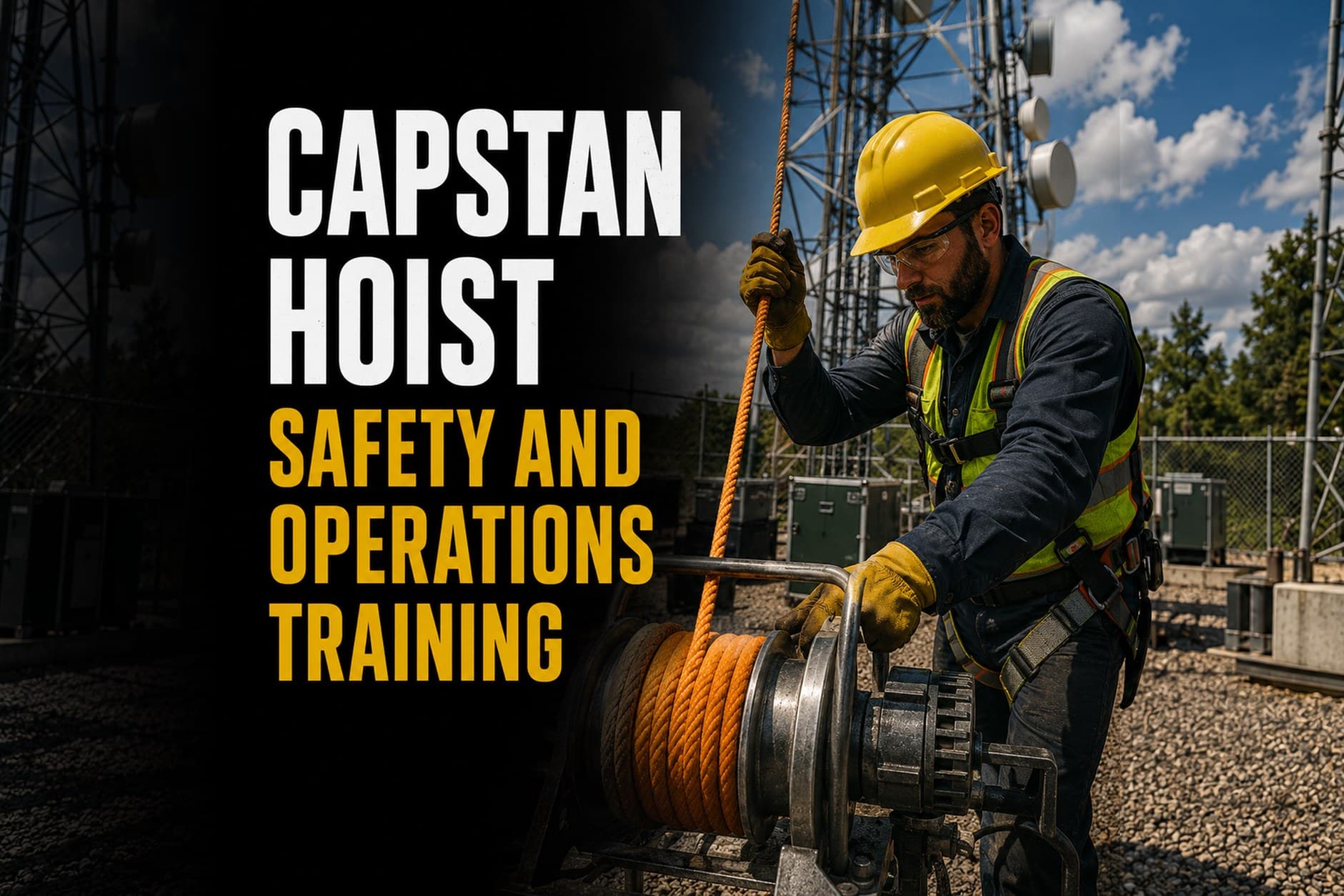
Capstan Hoist Safety and Operations Training
On a tower, a mishandled hoist line is a dropped load waiting to happen. Master capstan hoist setup, rigging, rope handling, load limits, and inspection so every lift goes up — and comes down — safely. Built for tower climbers and telecom crews who need it done right.
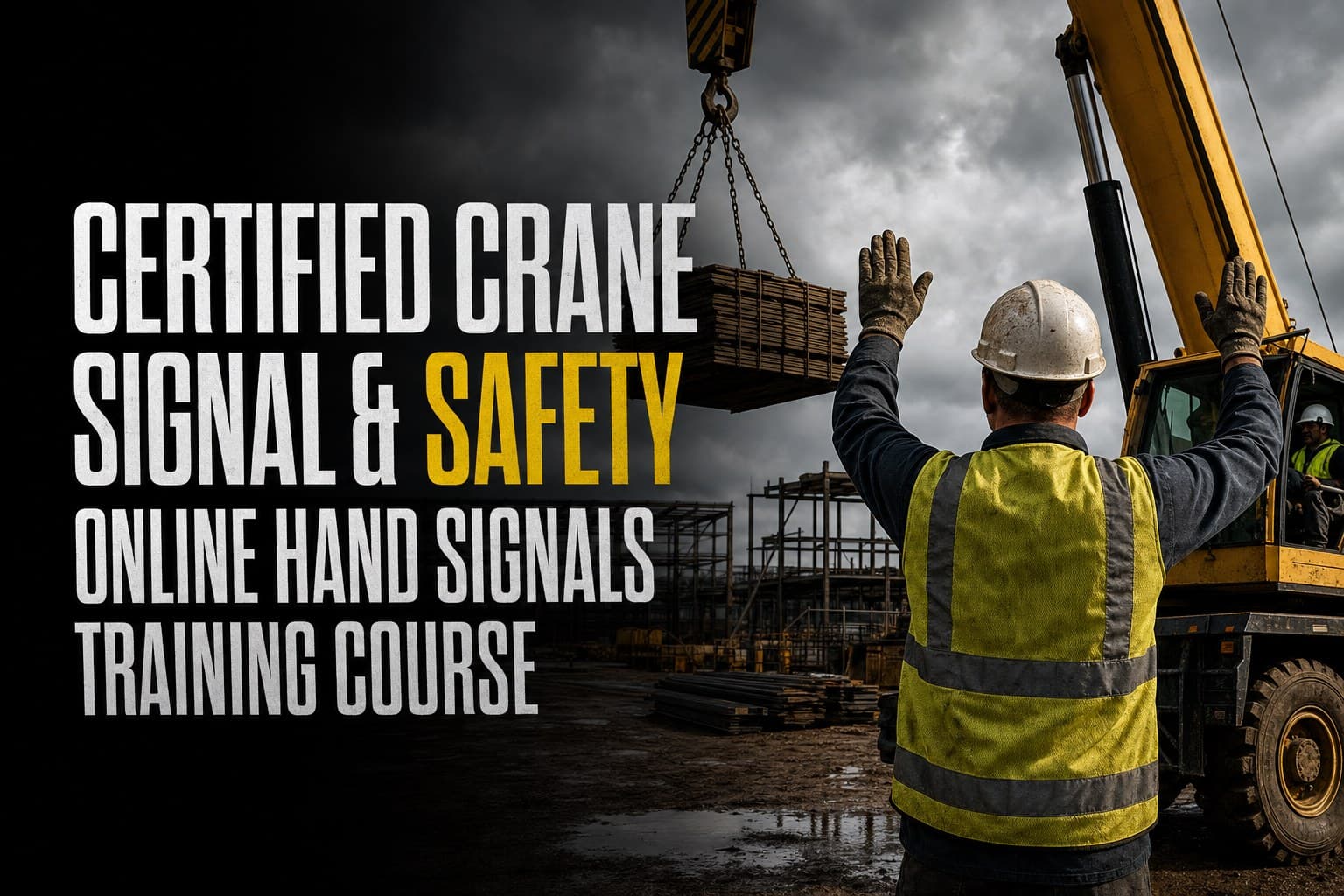
Certified Crane Signal & Safety: Online Hand Signals Training Course
The signal person is the crane operator's eyes. Learn every standard hand signal, clear radio communication, load and swing-path awareness, and the coordination that keeps crews alive around heavy lifts. Become the qualified signaler sites are required to have.
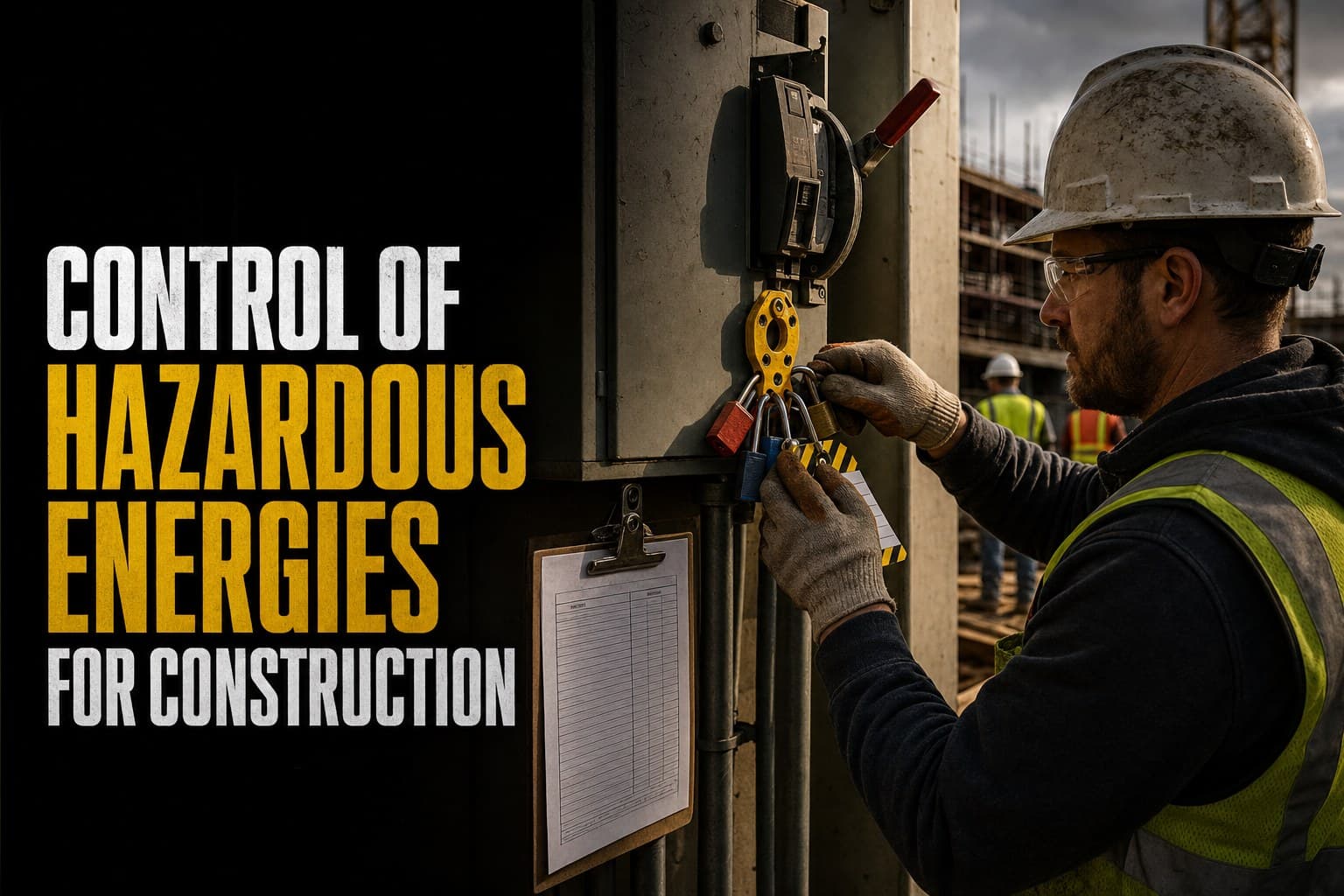
Control of Hazardous Energies for Construction
Stored energy doesn't care that the switch is off. Learn to identify every energy source on a construction site, isolate and lock it out, release stored pressure, and verify zero energy before anyone puts hands on equipment. Stay protected during every service and repair.
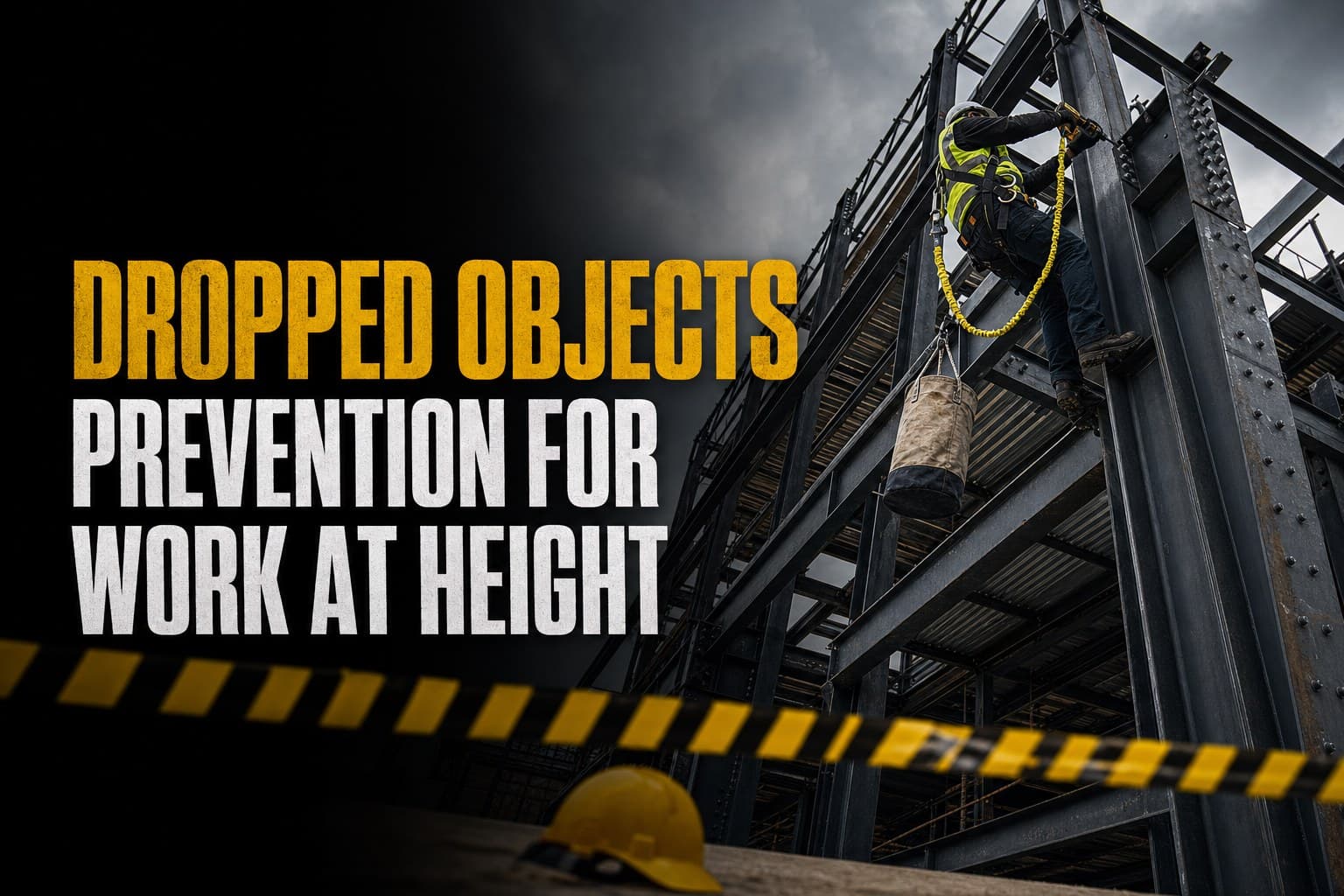
Dropped Objects Prevention for Work at Height
What a falling tool actually does, how tethering and containment stop it, how the zone below is controlled, and how a dropped objects program is built and audited. Written for tower, rooftop and construction crews. Built to OSHA standards.
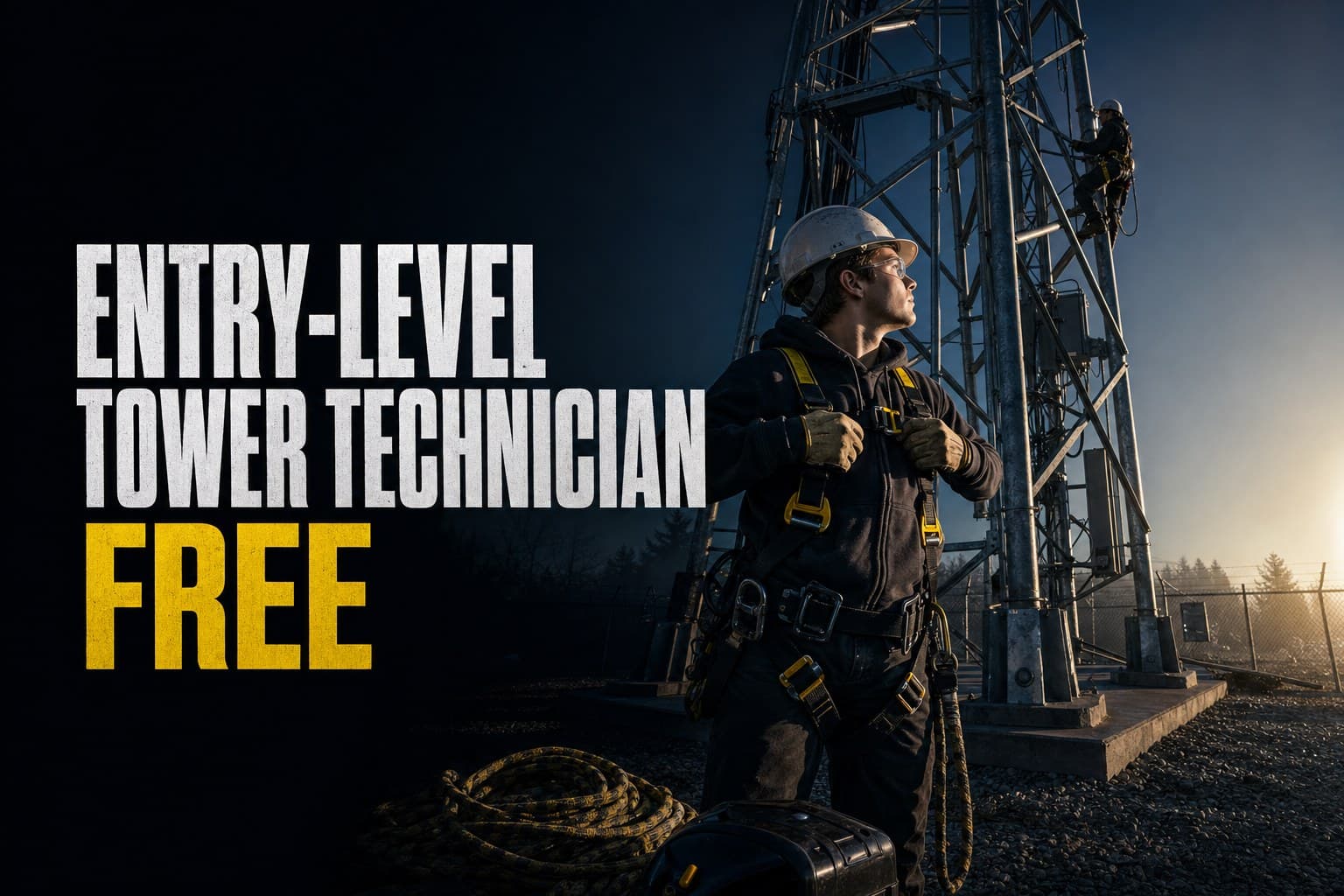
Entry-Level Tower Technician: What the Job Really Is
Free orientation for anyone thinking about becoming a tower climber or tech: the roles, the tower types, what's actually mounted up there, the real hazards, and exactly which courses get you hired. No cost, no card, rotate our 3D tower models yourself.
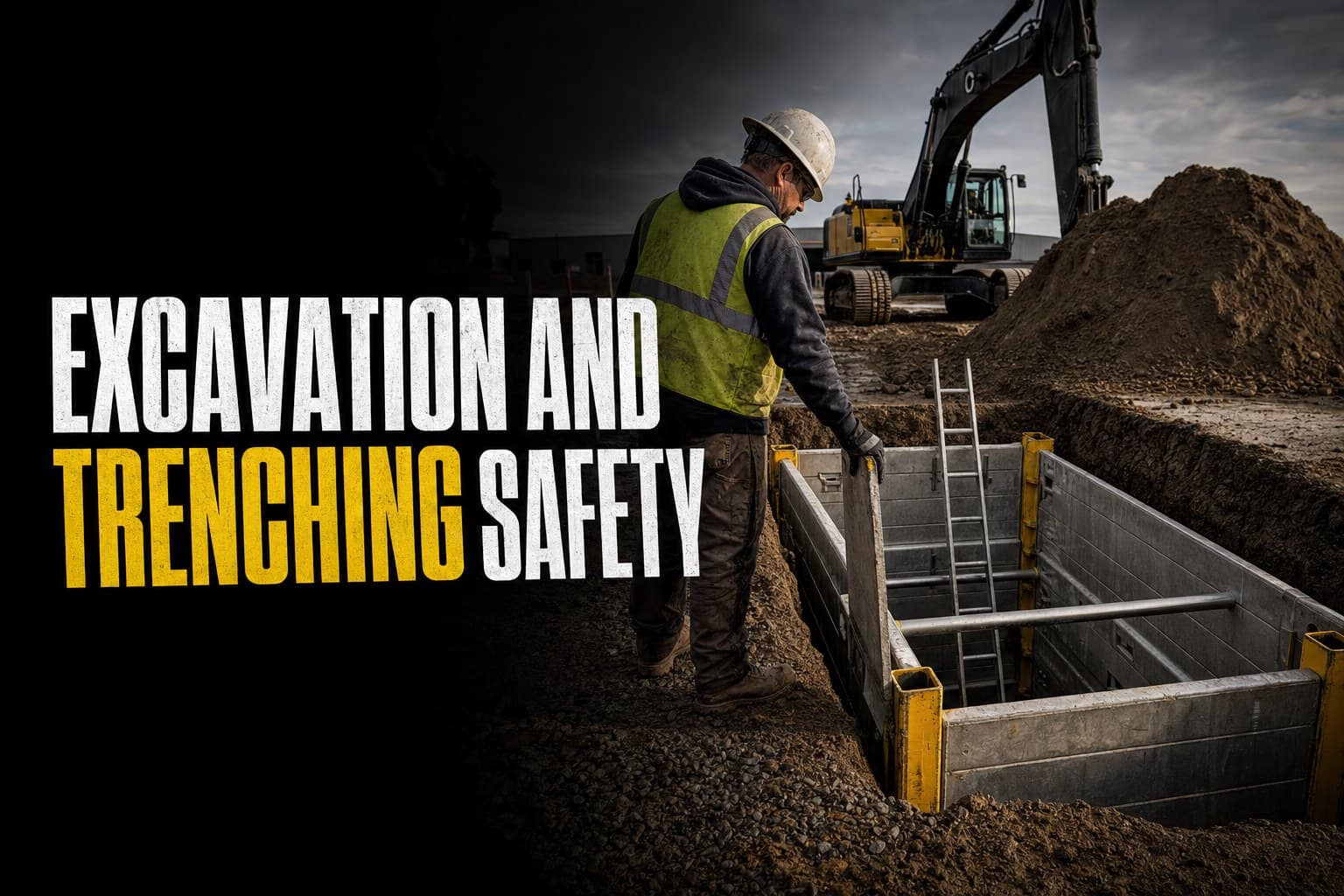
Excavation and Trenching Safety
This course equips construction workers and site supervisors with the knowledge to recognize, evaluate, and control the serious hazards associated with excavation and trenching operations under OSHA's 29 CFR Part 1926, Subpart P [S1]. From soil classification and protective systems to atmospheric hazards and competent-person responsibilities, learners will gain the practical skills needed to prevent cave-ins and keep every worker who enters a trench safe [S2].
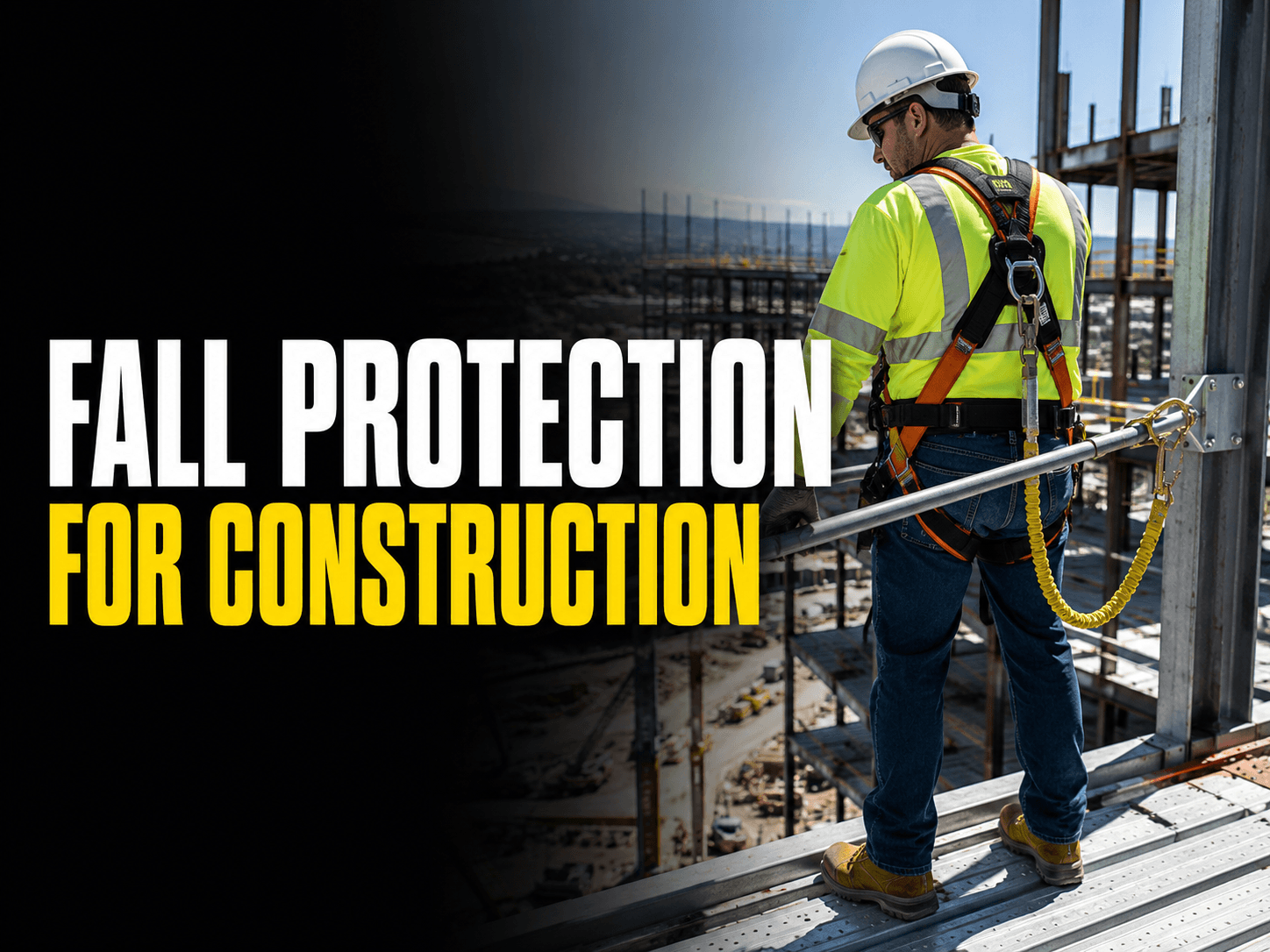
Fall Protection For Construction
Falls are the #1 killer in construction — and nearly all of them are preventable. Learn when protection is required, how to choose and wear a harness, set anchor points and guardrails, and plan a rescue. Get OSHA-compliant and site-ready, fast.
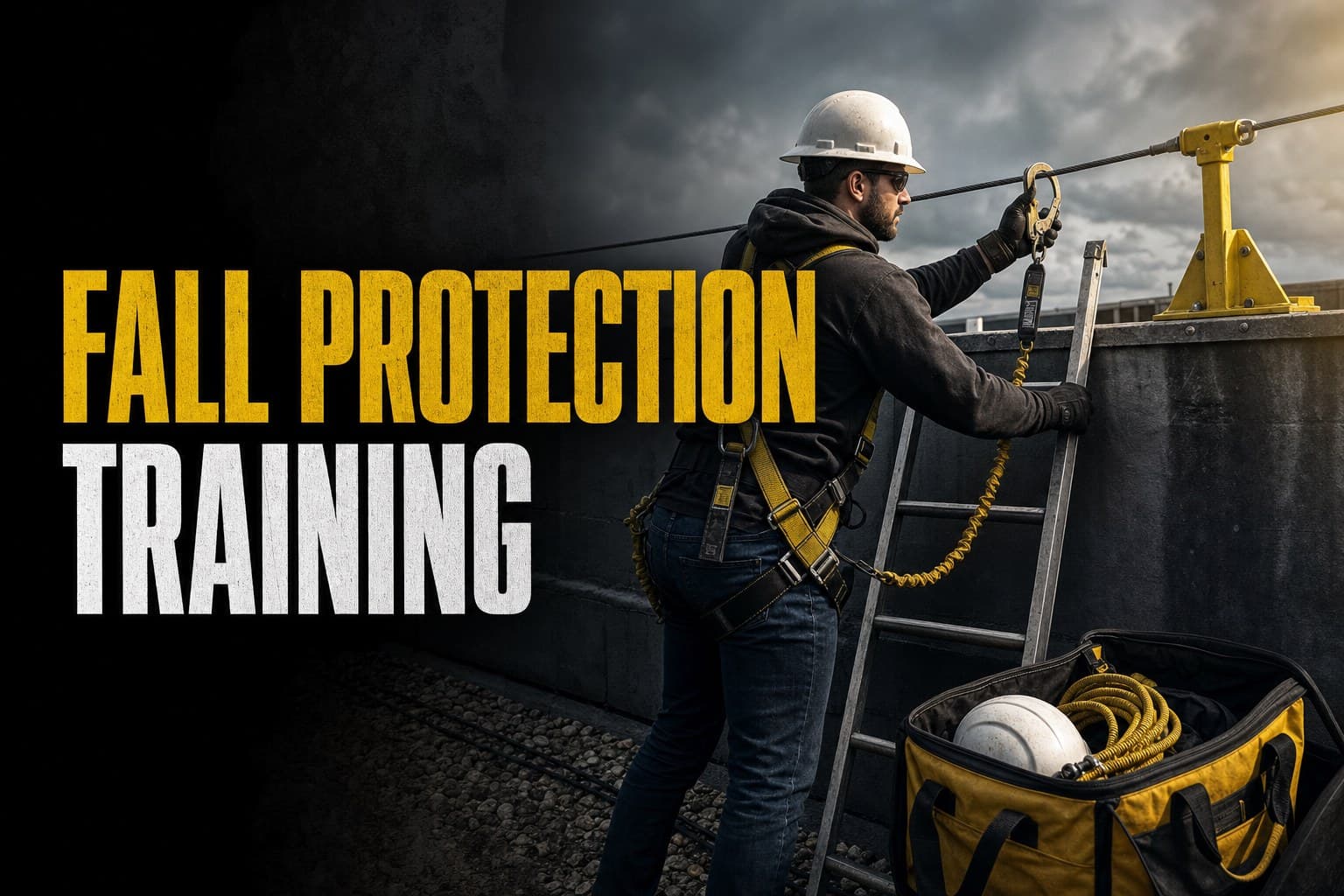
Fall Protection Training
Working at height leaves zero room for error. Master the fundamentals of fall protection — trigger heights, personal fall arrest systems, equipment inspection, and safe positioning — so you go home every night. Certificate delivered the moment you pass.
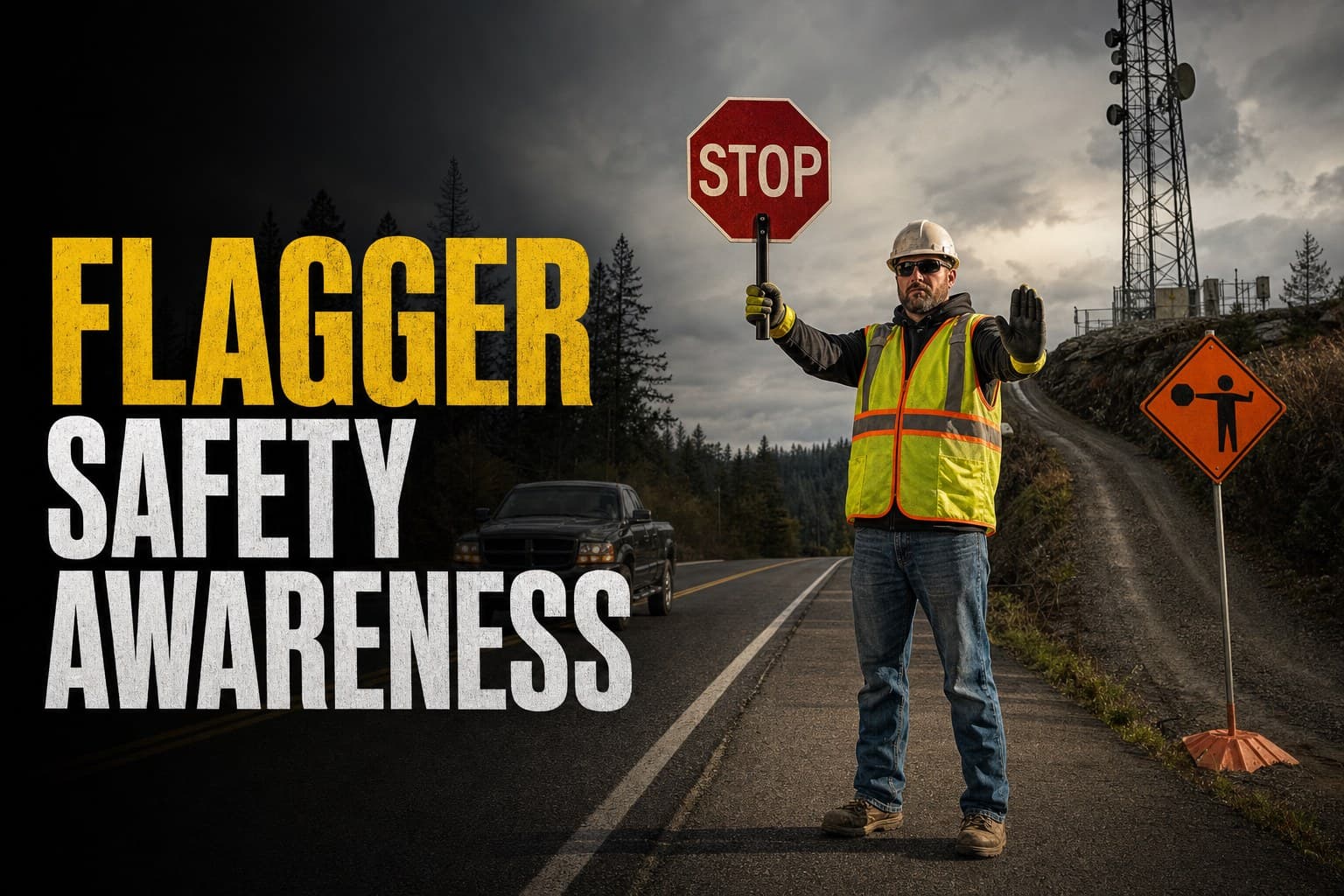
Flagger Safety Awareness
Awareness-level orientation to flagging in short roadside work zones: MUTCD Part 6 basics, the temporary traffic control zone, flagger station and escape route, STOP/SLOW paddle signals, high-visibility apparel, communication between flaggers, night work, and mobile operations. Does not replace a state-required flagger certification or an approved provider's card.
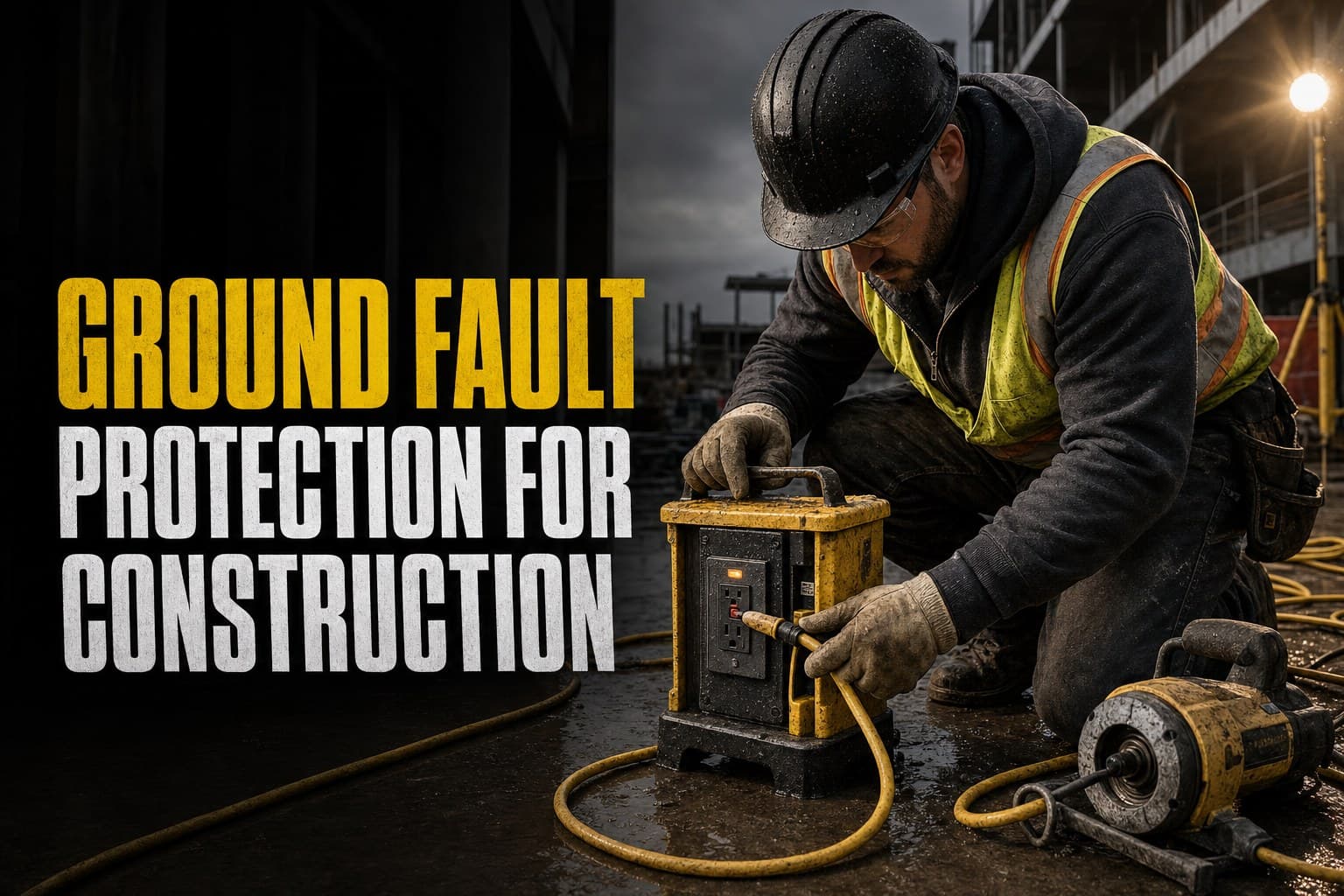
Ground Fault Protection for Construction
On a damp construction site, a faulty tool can be fatal. Learn how ground faults happen, how GFCIs and the assured equipment grounding program protect you, and what OSHA requires for temporary power. Simple knowledge that prevents electrocution.
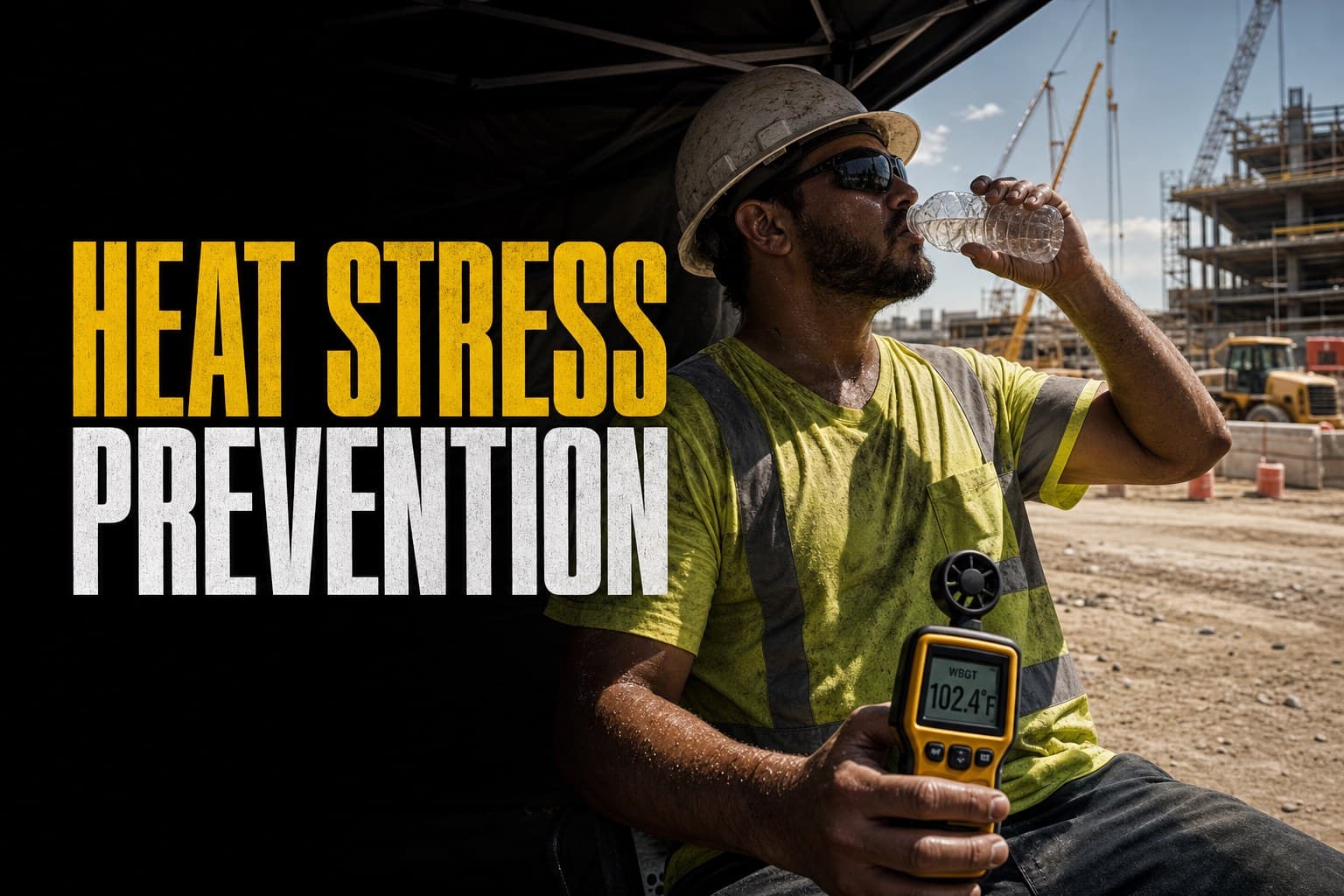
Heat Stress Prevention
Heat stroke can drop a worker in minutes. Learn to recognize heat exhaustion before it turns deadly, build hydration and rest into the workday, and respond fast when someone overheats. Critical training for crews working through the summer.
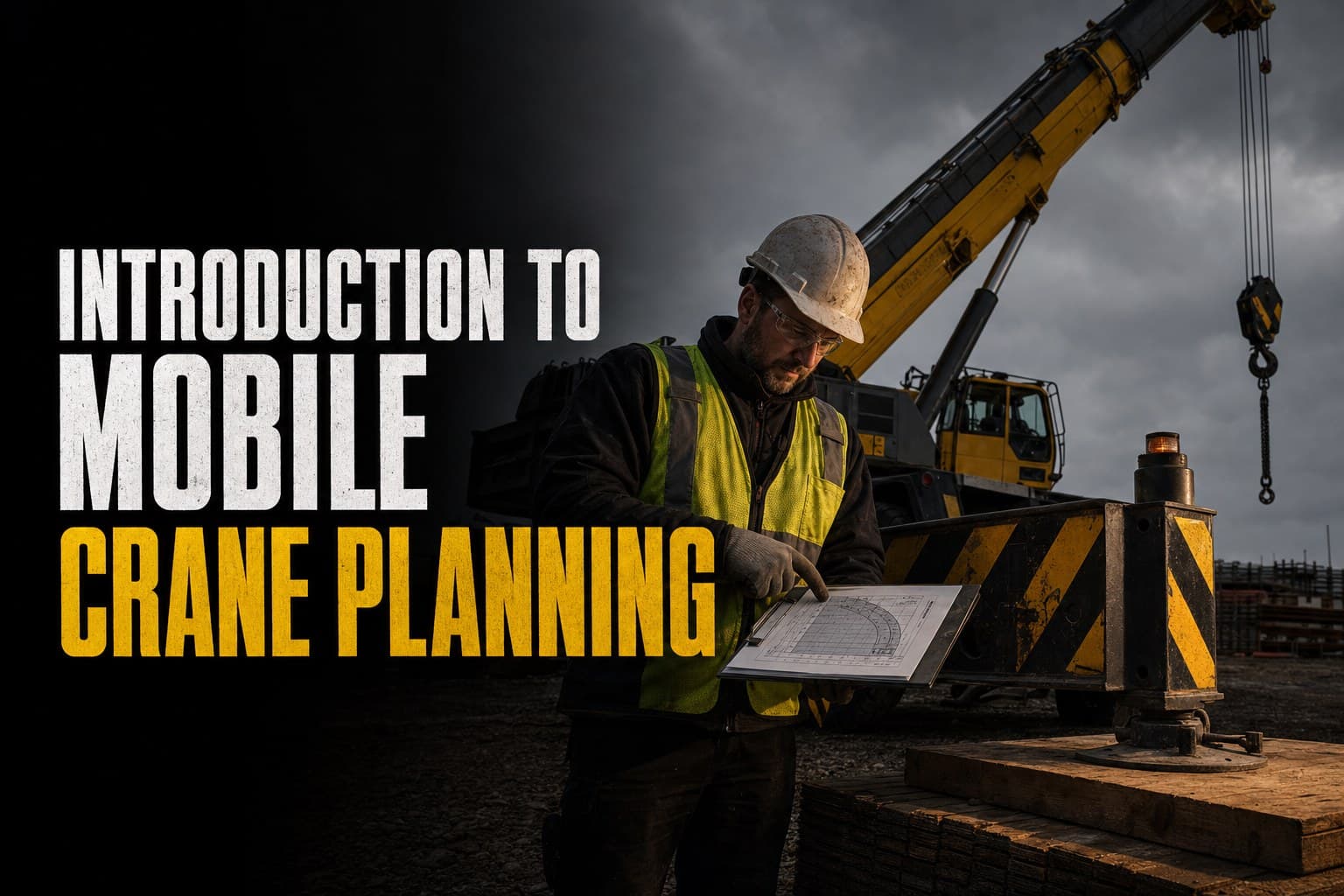
Introduction to Mobile Crane Planning
A safe lift is won before the crane ever moves. Learn to read load charts, assess ground conditions, plan setup and swing paths, and control the hazards that cause tip-overs and dropped loads. Plan lifts that pass inspection and protect everyone on site.
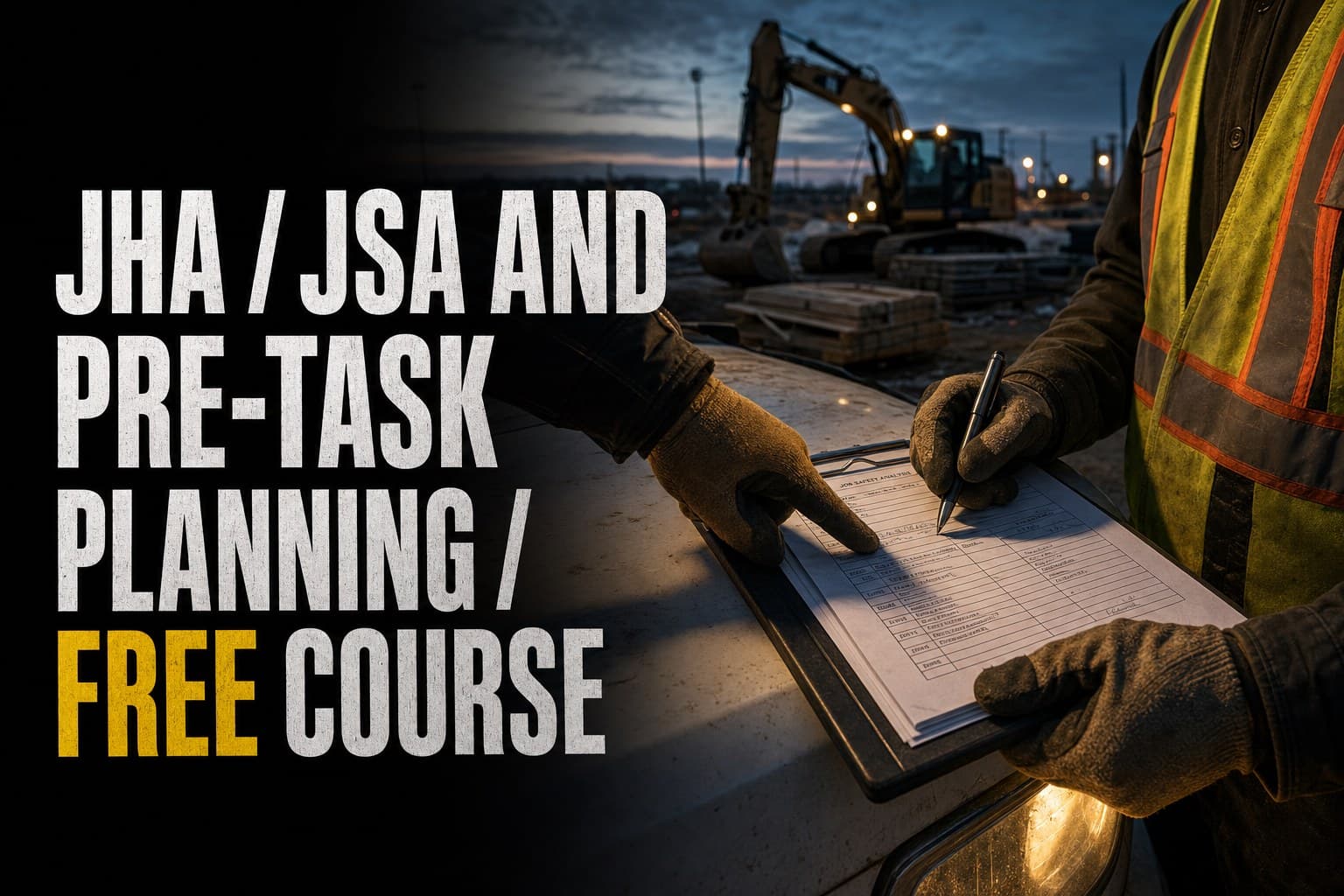
JHA/JSA and Pre-Task Planning
Free. Break a job into steps, find the hazard in each one, pick controls that hold, and brief the crew so the plan survives contact with the site. Built to OSHA standards, and it ends with a JSA you can actually hand to a GC.
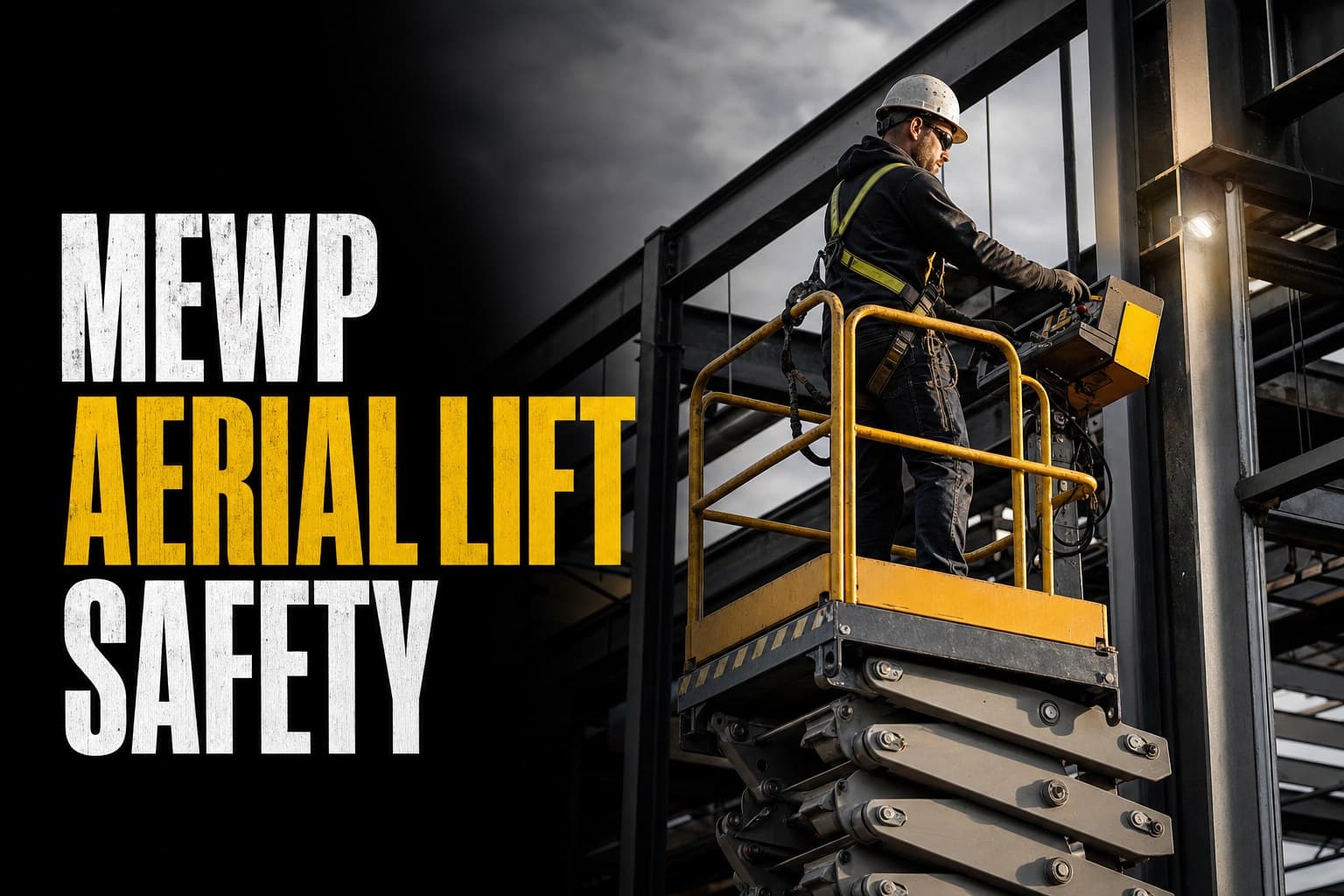
MEWP Aerial Lift Safety
Scissor lifts and boom lifts put you high in the air on a moving platform — respect them. Learn pre-use inspection, stability and load limits, fall protection, and safe operation that meets ANSI and OSHA standards. Operate any MEWP with confidence.
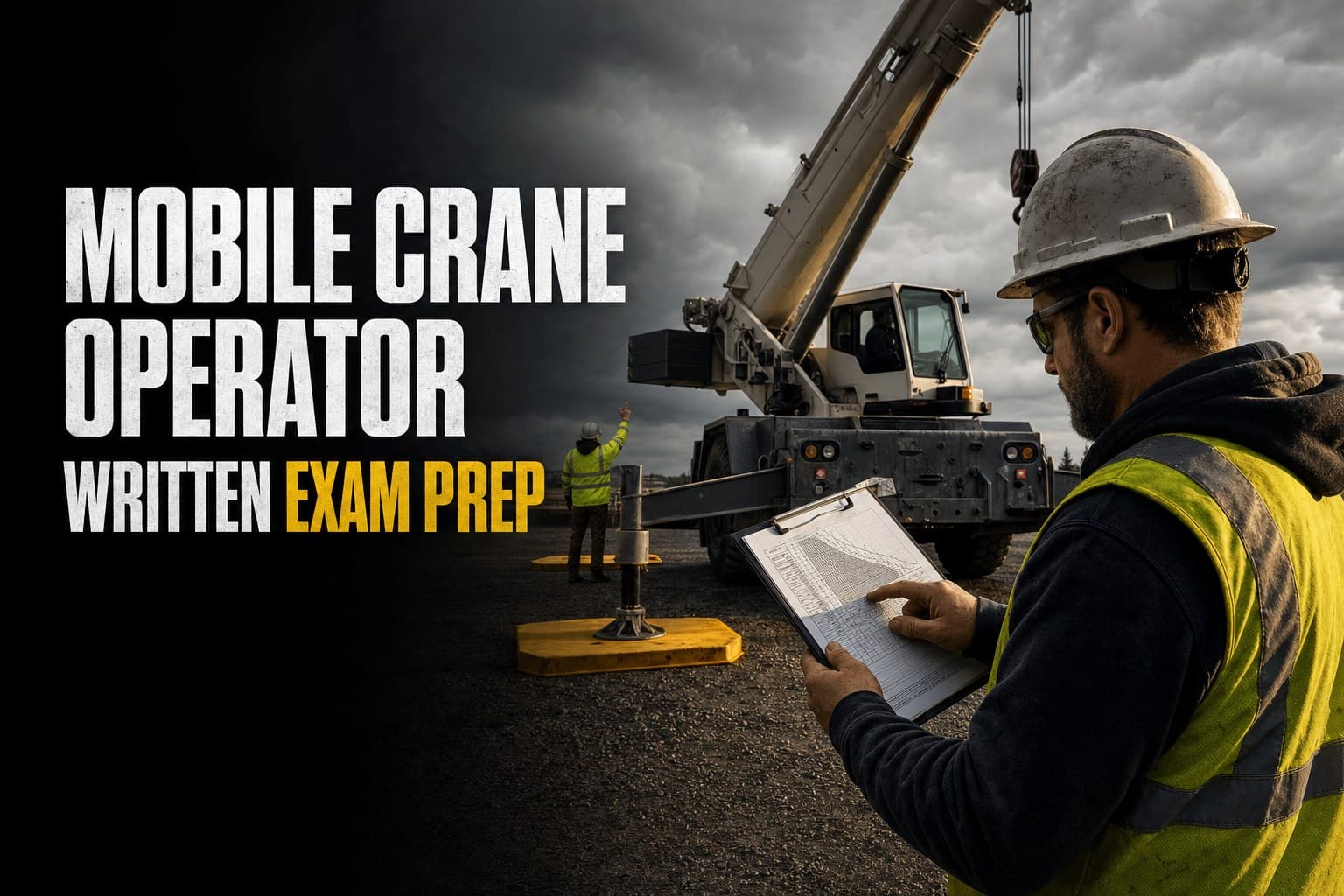
Mobile Crane Operator Written Exam Prep
Verified prep for the mobile crane operator written core exam: site layout and setup, crew roles and signals, stability and load weight, load charts with worked examples, and the OSHA 1926 Subpart CC rules a written exam expects you to know — plus a large practice question bank with explanations and a full-length final exam. Independent study material; not affiliated with or endorsed by any certifying body, and completion is not a crane operator certification.
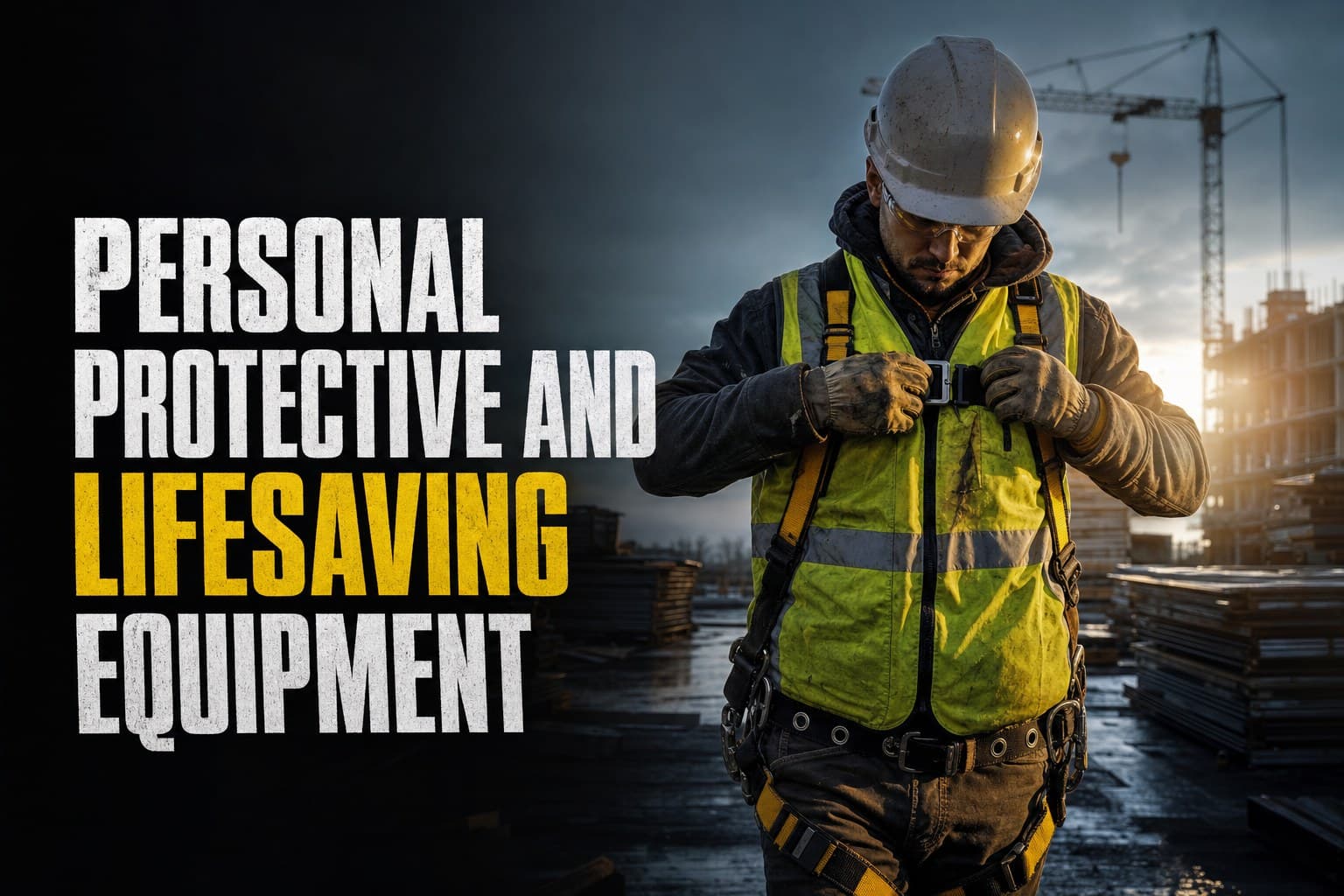
Personal Protective and Lifesaving Equipment
The right gear, worn the right way, is what stands between you and a serious injury. Learn to select, inspect, and use head, eye, hand, and fall protection on construction sites — and know when each is required. OSHA-aligned and built for the field.
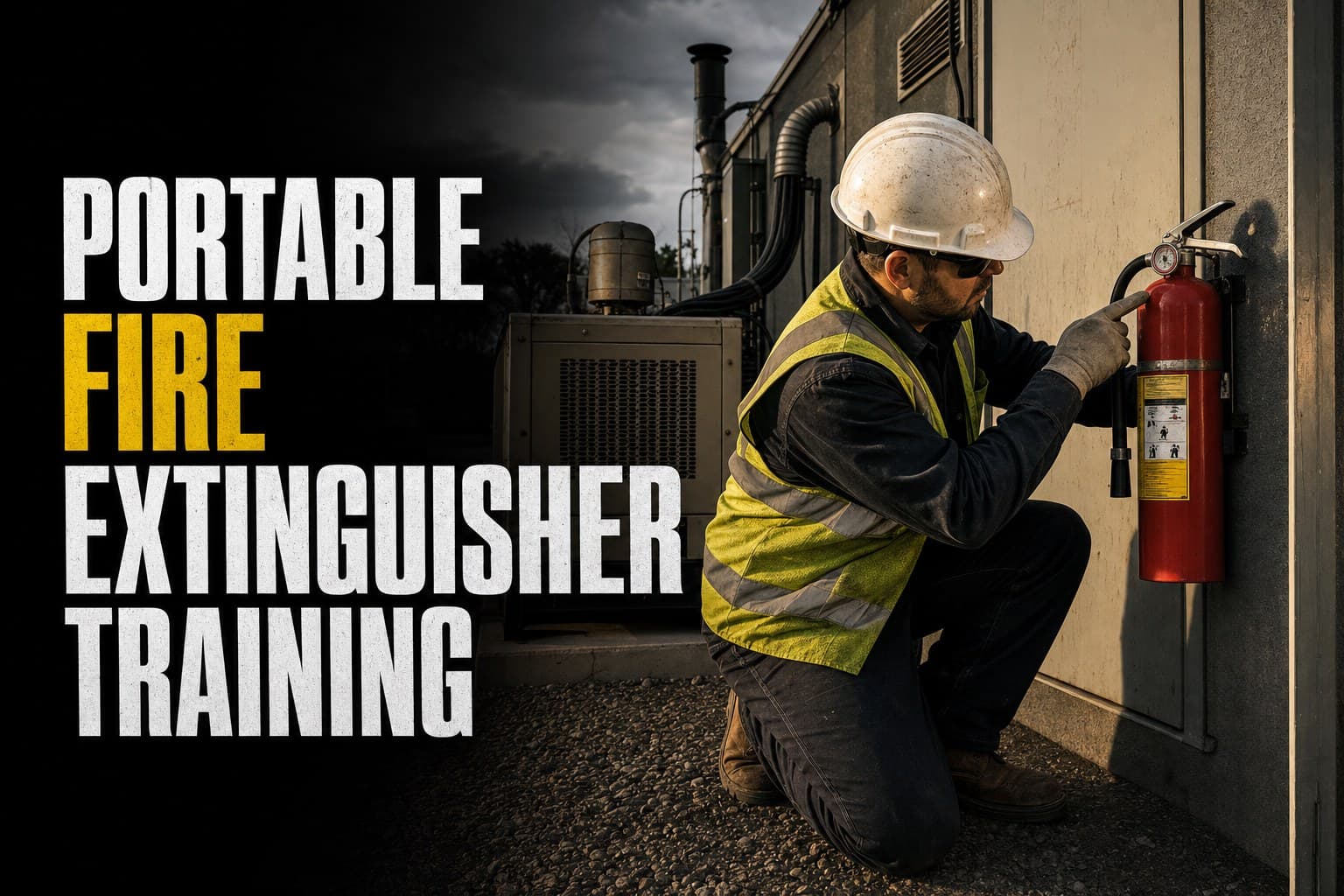
Portable Fire Extinguisher Training
Short, practical training on the fire triangle, the five extinguisher classes, reading a label, and PASS technique — plus when to fight a small fire and when to leave. Site-specific notes for shelters, generators, battery/lithium rooms and hot work. Built to OSHA standards.
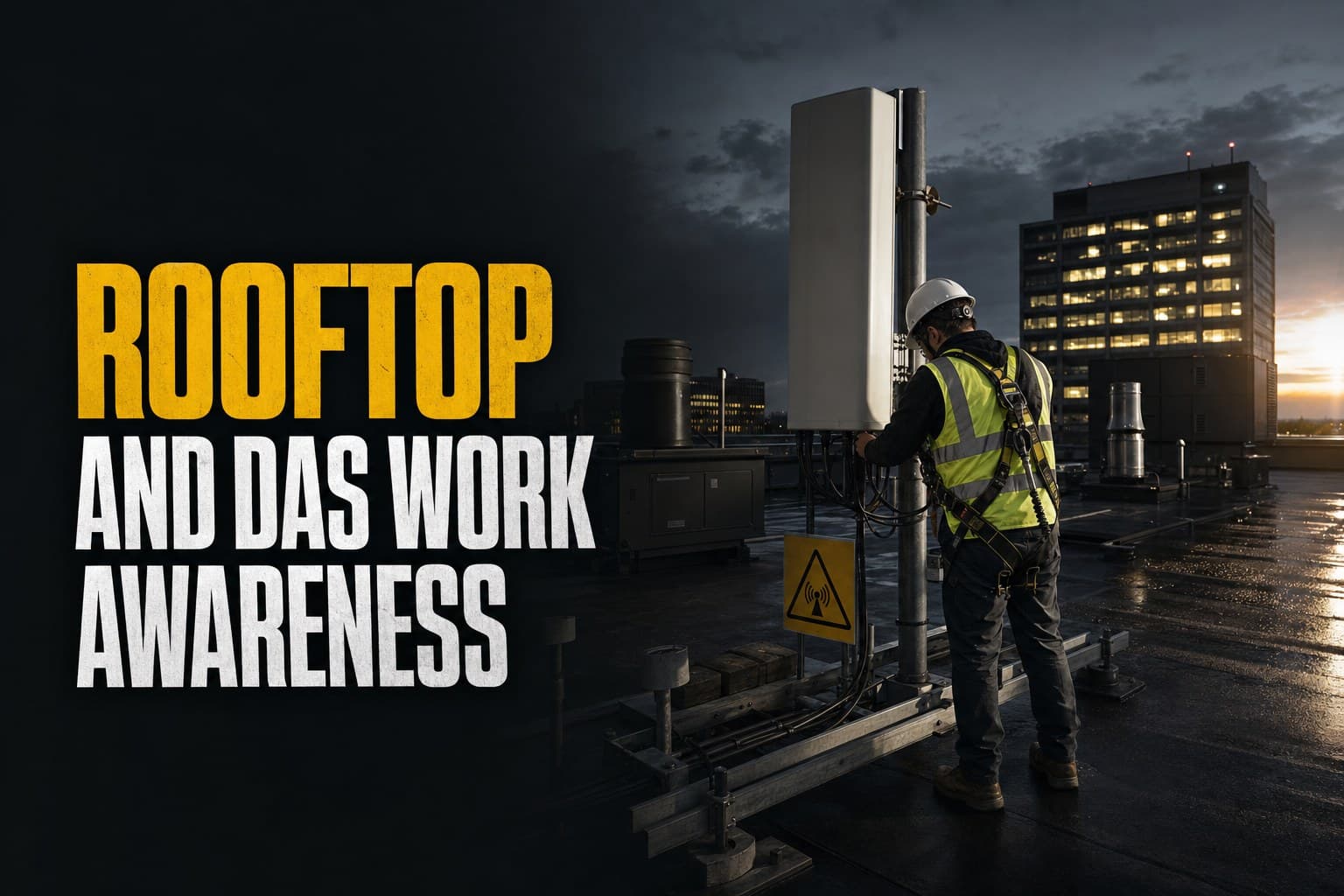
Rooftop and DAS Work Awareness
Rooftop telecom work from the ground up: access and permission, fall hazards without a tower, RF from antennas at head height, what else lives on a roof, and working DAS and small cells inside occupied buildings. Built to OSHA standards.
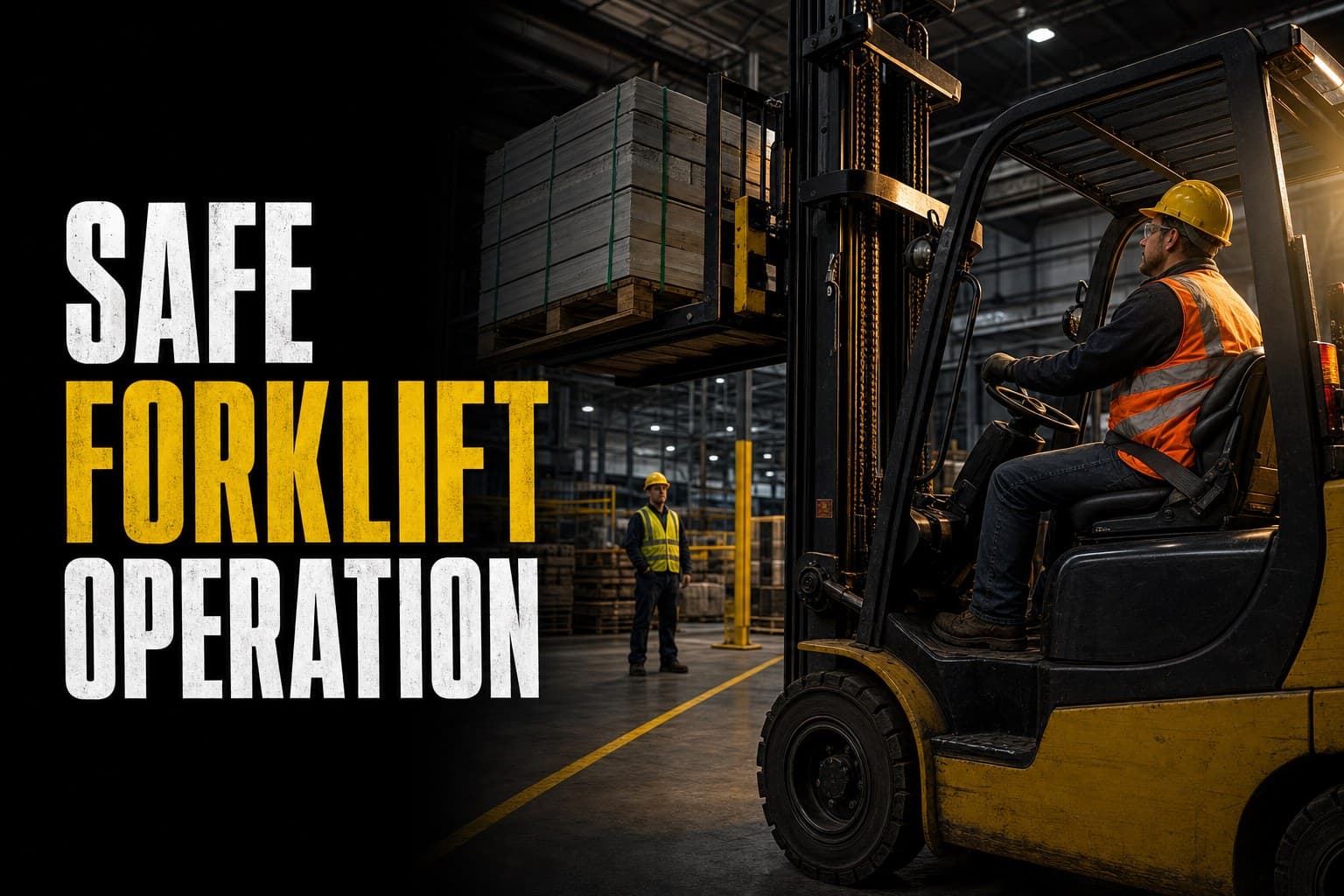
Safe Forklift Operation for General Industry
Forklifts cause thousands of injuries a year, usually from skipped basics. Learn pre-use inspection, safe load handling, stability and tip-over prevention, pedestrian awareness, and refueling — everything OSHA requires to operate. Get certified and cleared to drive.
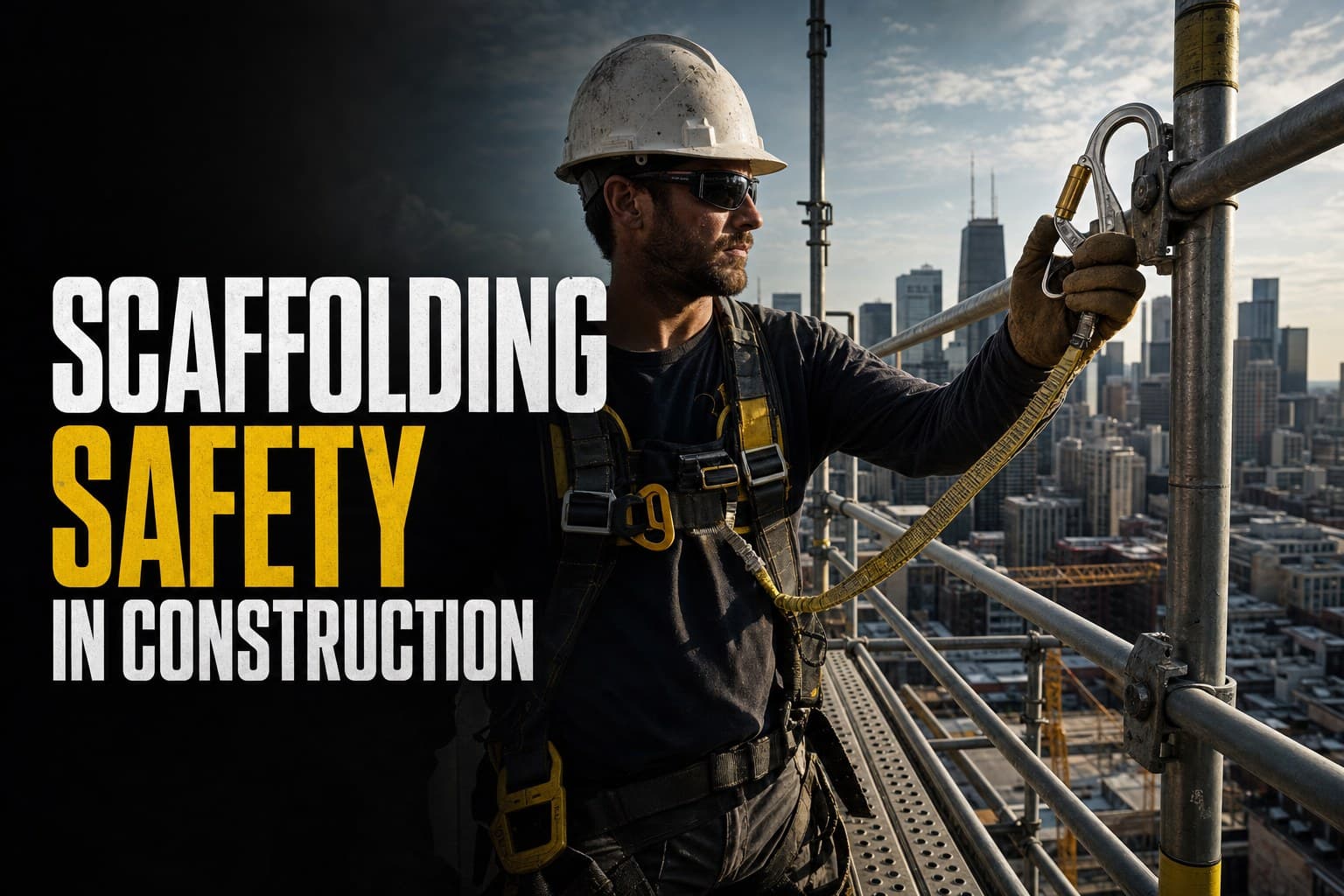
Scaffolding Safety in Construction
This course equips construction workers and supervisors with the essential knowledge to recognize, prevent, and control scaffold-related hazards in accordance with OSHA 29 CFR Part 1926 Subpart L. Learners will explore scaffold types, structural requirements, fall and falling-object protection, safe access, and mandatory training obligations to help eliminate the 4,500 injuries and 50 deaths that proper compliance can prevent every year [S5].
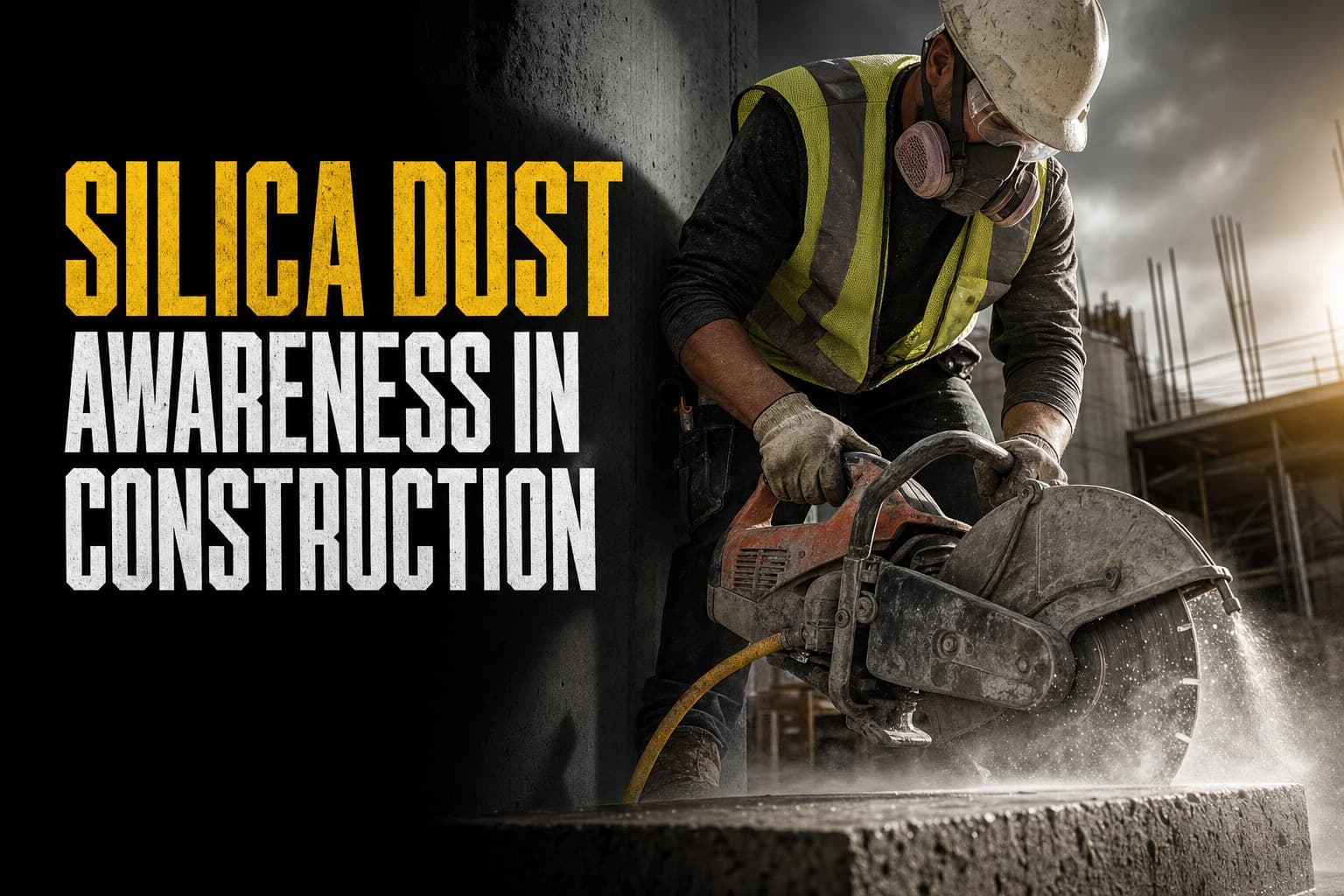
Silica Dust Awareness in Construction
This course equips construction workers and supervisors with a thorough understanding of the hazards posed by respirable crystalline silica dust on the jobsite, grounded in OSHA's Respirable Crystalline Silica Standard for Construction (29 CFR 1926.1153). Learners will explore health risks, regulatory requirements, exposure control strategies, and employer obligations—so every worker can return home safe and every site stays compliant.
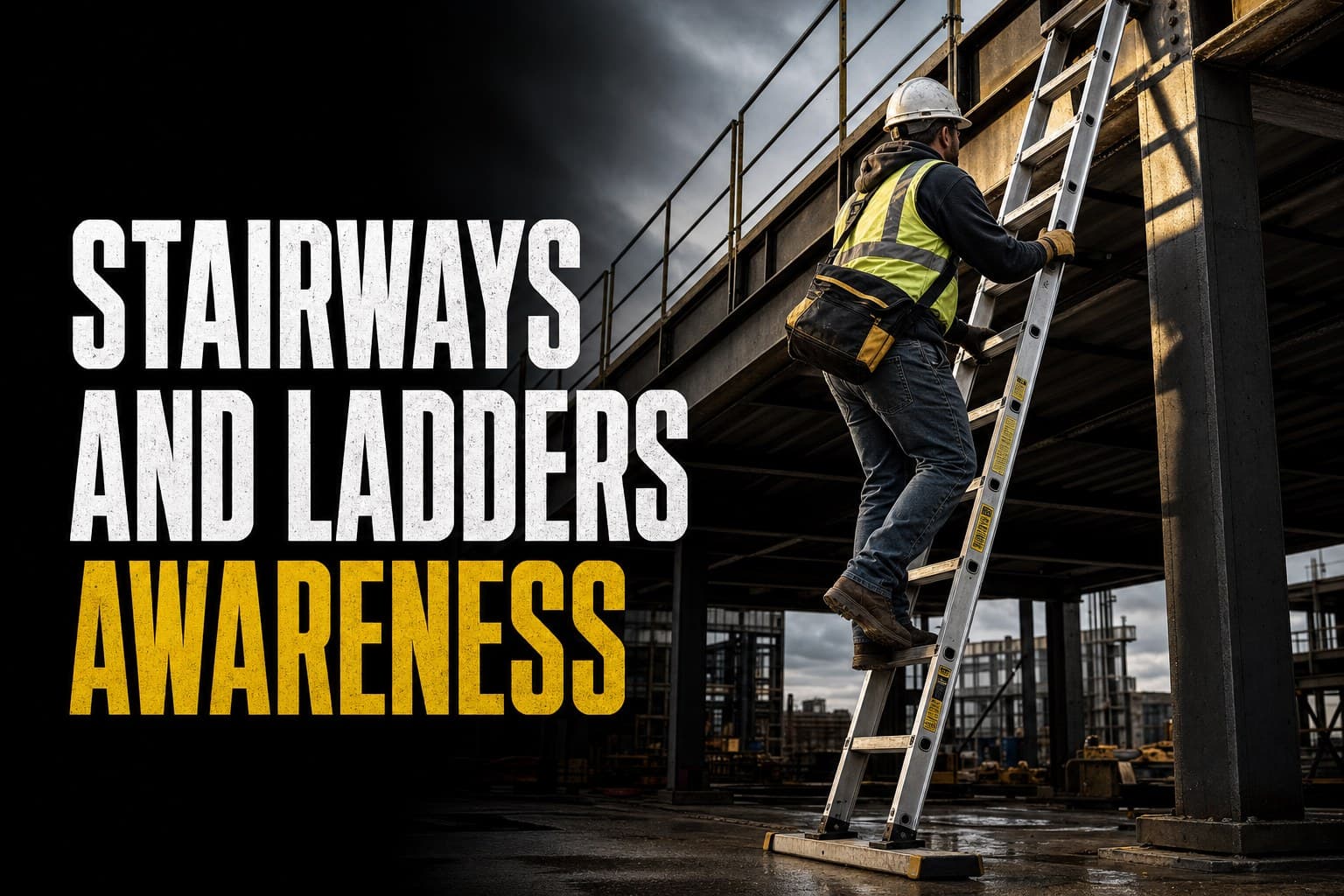
Stairways And Ladders Awareness for Construction
More falls happen on ladders and stairs than almost anywhere else on site. Learn to pick the right ladder, set it up correctly, keep three points of contact, inspect for defects, and meet OSHA requirements. Simple skills that prevent painful falls.
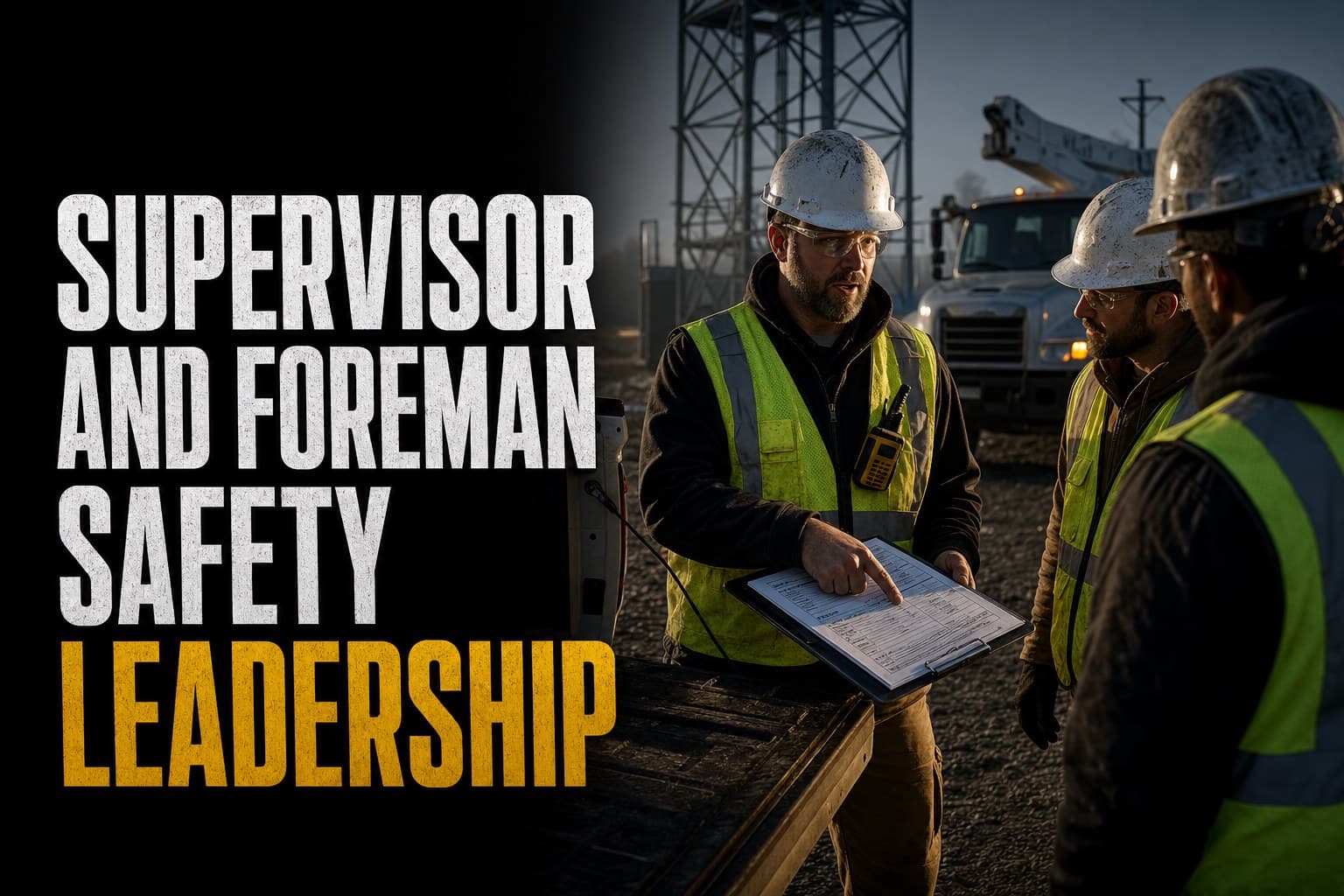
Supervisor & Foreman Safety Leadership
For the crew member stepping up to run a crew: running a pre-job briefing people actually listen to, using stop-work authority, walking a site for hazards, handling an incident in the first minutes, building a near-miss culture, correcting an unsafe act, supervising a new hire, coordinating subcontractors, the OSHA recordkeeping basics that land on a supervisor's desk, and owning the rescue plan and the weather call. Training and a certificate of completion, not a substitute for your employer's own program.
Training a whole crew?
Buy seats once, assign courses to workers, track completion and share a QR certificate roster with site checkers.
Falls, struck-by, caught-in and electrocution — the 'Focus Four' — drive most serious construction incidents, and the training in this category attacks them directly: fall protection, excavation and trenching, stairways and ladders, ground-fault protection, PPE and lifesaving equipment, silica dust awareness, heat stress and more. Courses are written for the people actually on the jobsite: laborers, operators, foremen and the subs a GC sends through orientation.
Courses run from 30 minutes to 3.5 hours and cost between $0 and $105 — no subscriptions, no seat-time padding. Everything works on a phone, the final test allows free retakes, and the certificate of completion carries a verification code an employer or site owner can check online in seconds. Certificates stay valid for two years, and team accounts let a safety manager assign courses to a whole crew and track who has finished.
Frequently Asked Questions
Which construction safety course should I start with?
Fall protection — falls are the leading cause of construction fatalities and fall protection is OSHA's most frequently cited standard. After that, match courses to your trade: trenching for excavation crews, silica for concrete work, crane signals for rigging support.
Do these courses replace site orientation?
No — they document hazard training, which is one part of what a GC checks. Site-specific orientation stays with the general contractor; our verifiable certificates cover the training-record portion.
Can I train my whole crew?
Yes. Team accounts let a manager buy seats, assign courses, set deadlines and export a compliance matrix — see the For Teams page for how it works.
How fast do I get the certificate?
Immediately after passing the final test. Download the PDF the same day and verify it online by its unique code any time.