
A federal jury in Miami awarded a landowner $40,001 after Crown Castle Fiber buried cable beneath and beyond a utility easement, and on October 29, 2026 the Florida Supreme Court ruled that the easement's attorney's fee clause does not bind the landowner's successors. The cable stayed in the ground. The legal bills, by one trade publication's estimate, may be larger than the verdict many times over.
For crews digging near tower sites, the case is a clean example of a boring problem: a trench placed a little off the paper line can turn into six years of litigation.
What happened in Miami
The dispute involves a 9,900-square-foot parcel at 17150 South Dixie Highway in South Miami-Dade County, owned by RJ's International Trading LLC. It sits next to a 5,650-square-foot tower compound that was leased to BellSouth in 1992. The easement across what is now RJ's land was granted as part of that arrangement.
In February 2020, Crown Castle Fiber excavated part of the parcel and installed fiber optic cable beneath and beyond the easement. According to the Eleventh Circuit, it did so "mistakenly believing that it was complying with the easement." Crown Castle South, which subleases the tower site, had licensed Crown Castle Fiber to install equipment, but that license did not cover any portion of the easement property.
RJ's sued in December 2020. After a six-day trial, a jury in January 2022 awarded $40,000 for trespass and $1 for breach of the easement, and declined to award punitive damages. With $5,606.20 in prejudgment interest, the judgment totals $45,607.20.
Why the cable was not removed
The trial court granted partial summary judgment and ordered the cables removed, then vacated that order on reconsideration. Removal would have effectively bound Crown Castle Fiber, which was never made a party to the suit.
The Eleventh Circuit later affirmed the refusal of a permanent injunction. It noted that RJ's had asked for and received money damages, and said the result might have been different had RJ's sought the cost of removing the cables.
The practical lesson: the entity that holds the license, the entity that pays for the work, and the entity that actually digs are not always the same company. When the paperwork does not line up with the ground, the wrong party can end up in court, and the fix in the field can still be out of reach.
The fee ruling and the bill
RJ's also wanted Crown Castle to pay its attorneys. The 1993 easement contained a prevailing-party fee clause, but the trial court found it bound only the original parties. The Eleventh Circuit asked the Florida Supreme Court whether the clause ran with the land. Justice Jamie R. Grosshans wrote that such a clause is "wholly unconnected to the use, enjoyment, or occupation of the property itself." The outcome was unanimous.
Neither side's legal bills are public. Wireless Estimator offered illustrative math: at Florida's 2026 average civil-litigation rate of $351 an hour, about 130 attorney hours would consume the entire $45,607.20 judgment. It estimated $230,000 to $520,000 for one side across trial, two appeals, and the state supreme court stage, and roughly $460,000 to $1 million combined. Those are estimates, not filed figures.
The bill for a trench dug in the wrong place can outrun the damages by a wide margin.
Recommended certification
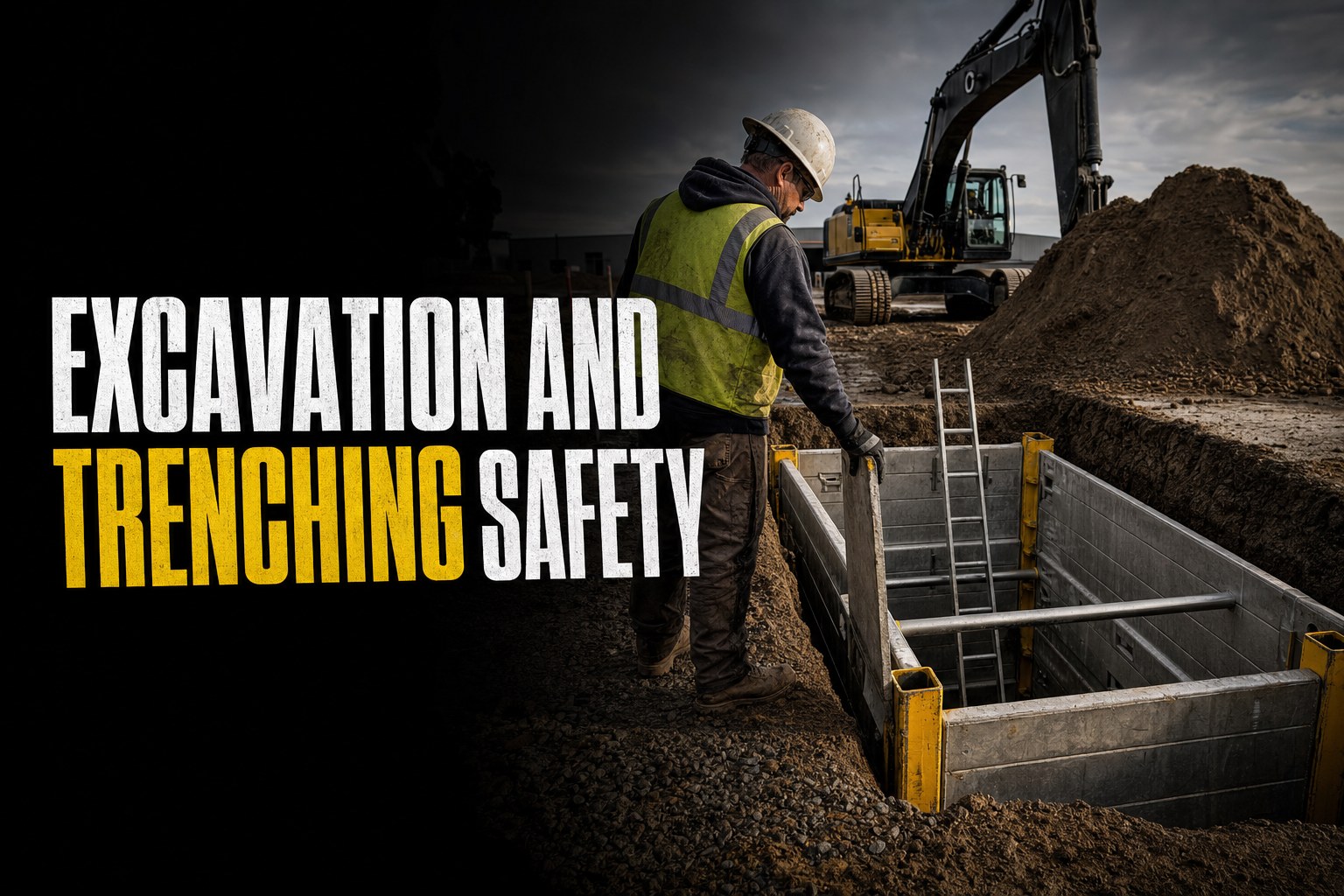
Excavation and Trenching Safety
$35 · ~3.5h online · certificate issued same day · valid 2 years
Also read: Uprise owner pleads guilty in $7.9M Nevada broadband fund case · Detroit Cell Site Battle: Why Clear Easements Matter for Tower Crews
The bill for a trench dug in the wrong place can outrun the damages by a wide margin.
What field crews and leads should take from it
This was a civil property case, not an injury case, and nothing in the source suggests anyone was hurt. But the failure pattern is familiar to anyone who has run a dig: an assumption about where the line is, and nobody stopping to check it.
- Treat the easement as a physical boundary. The recorded easement and survey define where you may dig. Crew leads should know the limits before the first cut, not after.
- Confirm the scope of the license. A license to install equipment is not permission to excavate wherever it is convenient. In this case the license did not cover any part of the easement property.
- Flag mismatches immediately. If the staked route, the plans, and the site conditions disagree, stop and escalate. A mistaken belief that you are in compliance is not a defense that avoids damages.
- Keep the contractor chain clear. Know which entity is the licensee, which is the owner, and which crew is actually in the ground.
- Call 811 as usual. A utility locate tells you what is buried. It does not tell you who owns the surface or where an easement ends, so it supplements boundary checks rather than replacing them.
What safety managers should do with it
Excavation planning usually focuses on utility strikes, trench protection, and access. This case argues for adding a short property-rights step to the same pre-dig checklist.
Tower companies often work sites under easements inherited from prior owners, as this one was, and those agreements can be decades old. Older paperwork is exactly where scope questions hide.
The bigger point
The landowner won at trial and still may lose money, and the defendant paid a judgment while the cable stayed in place. Nobody comes out of a boundary dispute clean. For a crew, the cheapest moment to settle where the line is comes before the excavator touches the ground.

