
Regulatory rules designed for nationwide telecom carriers often leave regional operators without viable options, a key warning from Competitive Carriers Association (CCA) President and CEO Tim Donovan at the 2026 Annual Convention. This disparity can significantly impact the broader telecom infrastructure ecosystem, including the pace, funding, and nature of tower construction and maintenance projects across the United States.
The Uneven Playing Field for Regional Telecom
The Competitive Carriers Association (CCA) convened its 2026 Annual Convention in New Orleans from September 14-16, bringing together competitive carriers and industry partners. A central theme, articulated by CCA President and CEO Tim Donovan, was the challenge regional operators face when policymakers create rules based on the scale and resources of nationwide carriers. Donovan stressed that regional and competitive carriers are simultaneously navigating competition in satellite, spectrum, and cost structure without the same resource base as their larger counterparts.
CCA's advocacy efforts, as outlined by Donovan, focus on critical areas for its members: fighting for accurate maps, sustainable economics, access to spectrum and infrastructure, reasonable permitting, and competitive policies. These priorities are directly linked to federal broadband buildout initiatives, such as BEAD deployment, which regional carriers rely on to extend connectivity to underserved communities that nationwide carriers might overlook. The association argues that these policies must reflect the practical realities and economic constraints of regional players to ensure their continued viability and ability to contribute to closing the digital divide.
Satellite Connectivity Reshapes the Landscape
Another significant topic at the convention was the evolving direct-to-device satellite connectivity landscape. Jeff Giard, T-Mobile’s Vice President of Business Development & Partnership, presented a vision of "convergence, not competition," emphasizing the integration of terrestrial and satellite technologies to enhance customer experience, particularly in rural America. Giard articulated that the future involves bringing these technologies together rather than choosing between them.
This perspective is particularly relevant following the May 14, 2026, announcement of a joint venture between T-Mobile, AT&T, and Verizon. This unusual alliance among the three largest carriers aims to pool spectrum resources and expand direct-to-device satellite connectivity nationwide. The move is widely interpreted as a coordinated response to the growing momentum of SpaceX’s Starlink Mobile. For CCA members, Giard's pitch suggested a model where satellite capacity is built once and shared, offering a different approach than if satellite connectivity were exclusively a perk for nationwide carriers.
What This Means for Tower Crews and Safety Managers
Recommended certification
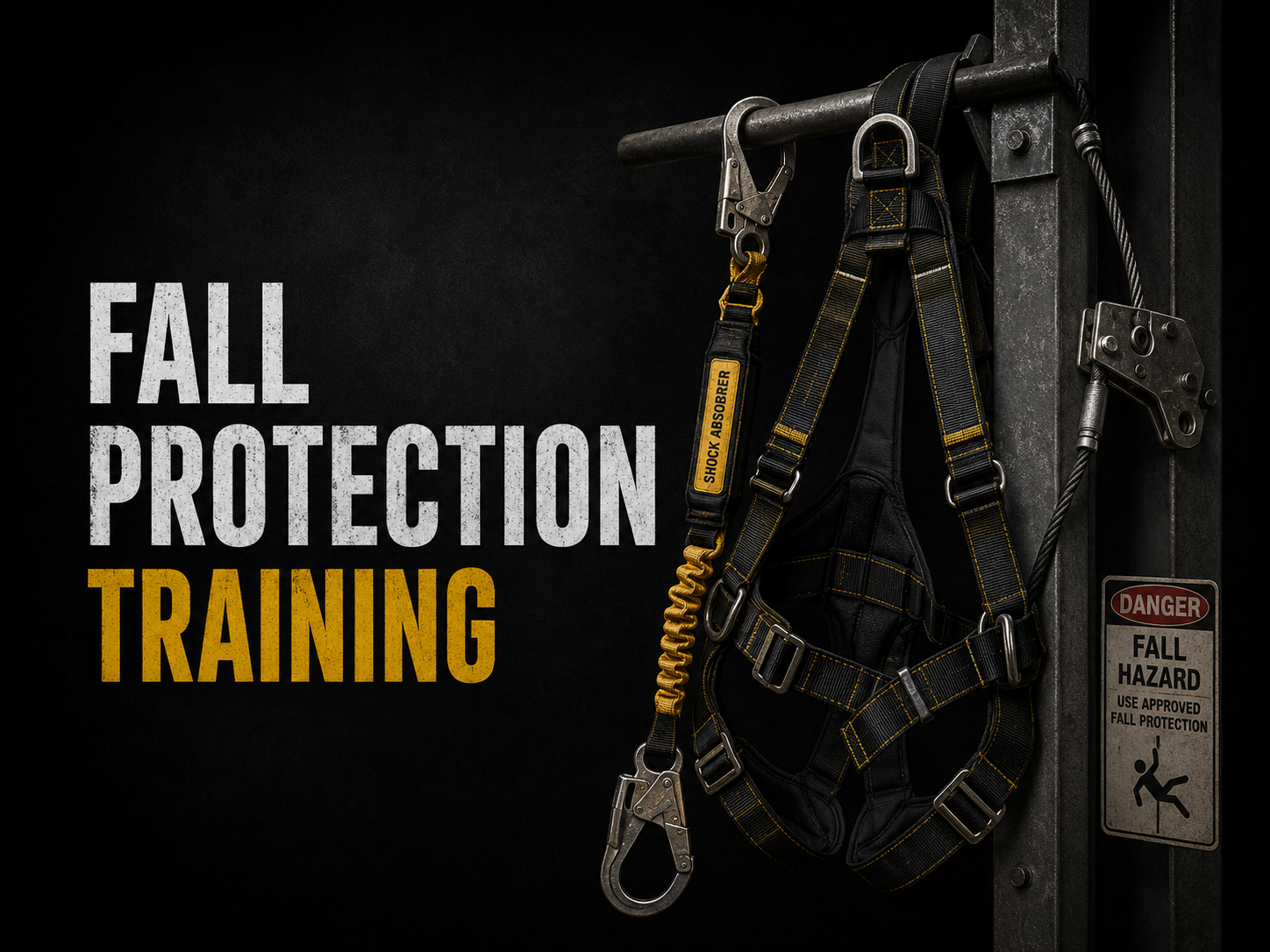
Fall Protection Training
$30 · ~30 min online · certificate issued same day · valid 2 years
Also read: Louisiana's Broadband Boom: Opportunities and Safety for Telecom Crews · Detroit Cell Site Battle: Why Clear Easements Matter for Tower Crews
The policy discussions and technological shifts highlighted at the CCA convention have tangible implications for tower climbers, crew leads, and safety managers working in the field. Understanding these broader industry dynamics is crucial for anticipating changes in workflow, project demands, and resource availability.
Resource Allocation and Project Pressure
When regional carriers operate under economic and regulatory pressures designed for larger entities, their budgets for infrastructure projects can become constrained. This can directly impact the resources available for essential safety measures, including equipment maintenance, procurement of personal protective equipment (PPE), and comprehensive safety training. Crew leads and safety managers must remain vigilant in advocating for the necessary resources to maintain high safety standards, irrespective of project budgets or timelines. The push for "sustainable economics" and "reasonable permitting" by CCA, while aiming to help regional carriers, also underscores the existing pressures that could translate into tighter schedules on the ground.
Crew leads and safety managers must remain vigilant in advocating for the necessary resources to maintain high safety standards, irrespective of project budgets or timelines.
Evolving Technology and Training Needs
The integration of satellite direct-to-device connectivity signals an evolution in network infrastructure. As carriers explore convergence between terrestrial and satellite systems, tower crews may encounter new types of antennas, cabling, and associated equipment on existing or new structures. This technological shift necessitates updated training for installation, maintenance, and troubleshooting procedures. Safety managers should proactively assess potential new hazards associated with these emerging technologies and ensure that training programs are aligned with the latest industry best practices and aligned with OSHA requirements for working with new equipment or systems. For example, understanding new RF emission profiles or unique rigging challenges for satellite components will be paramount.
The Importance of Proactive Safety Planning
The federal broadband buildout, often leveraging regional carriers, presents a significant increase in work opportunities. While positive for the industry, an accelerated pace of deployment can sometimes lead to heightened pressure to complete projects quickly. This environment demands even more rigorous adherence to proactive safety planning. Job Safety Analyses (JSAs) become indispensable tools for identifying potential hazards before work begins, particularly when dealing with new site conditions, updated equipment, or tight deadlines. Crew leads must ensure that all team members are fully briefed on project-specific hazards and mitigation strategies, and that no shortcuts are taken that could compromise safety.
Maintaining Standards Amidst Change
Regardless of the economic landscape or technological advancements, the core commitment to safety remains non-negotiable. Tower climbers, crew leads, and safety managers must continue to uphold stringent safety protocols built to OSHA standards, including 100% tie-off procedures, proper use of fall protection equipment, RF awareness, and electrical safety practices. The challenges faced by regional carriers should serve as a reminder for all stakeholders to prioritize a strong safety culture and ensure that all workers are equipped with the knowledge and tools to perform their jobs safely and efficiently.

