
The communications infrastructure industry is in constant motion, driven by technological advancements, evolving regulatory landscapes, and an unwavering commitment to safety. NATE: The Communications Infrastructure Contractors Association regularly provides updates that offer a window into these critical areas. Their July 2, 2026, Government Relations Update highlighted several key developments, from spectrum allocation to specific safety resources, all of which carry significant implications for field crews, crew leads, and safety managers.
Future Growth: The Mid-Band Spectrum Auction
One of the most impactful announcements from NATE's update was their applause for the Federal Communications Commission's (FCC) plan to auction 160 megahertz of prime mid-band spectrum. Mid-band spectrum is crucial for expanding 5G networks, offering a balance of speed and coverage that is vital for next-generation wireless services across the United States. For the telecom industry, this isn't just a technical detail; it's a clear signal of impending growth and increased workload.
What does this mean for those on the ground?
- Increased Demand for Infrastructure: More available spectrum means wireless carriers will need to deploy more antennas, build new towers, and upgrade existing infrastructure to utilize this capacity. This translates directly to more projects for tower crews.
- Workforce Expansion: With a surge in projects comes a greater need for skilled and qualified personnel. Companies will be looking to expand their teams, making robust training and safety qualifications more important than ever.
- Emphasis on Efficiency and Safety: As the pace of work accelerates, maintaining high safety standards becomes paramount. Crew leads and safety managers will face the challenge of managing increased activity while ensuring every job is performed safely and efficiently, adhering to all applicable OSHA standards.
Elevating Industry Safety Standards: The NATE STAR Initiative
Another significant point from the NATE update was the opening of enrollment for the 2026-2027 STAR Initiative. While specific details of the 2026-2027 program were not outlined, the NATE STAR (Safety Through Advanced Rigger and Rescuer) Initiative is generally recognized as a voluntary program designed to raise the bar for safety and quality in the wireless infrastructure industry. It focuses on promoting a culture of safety excellence and implementing best practices among participating companies.
For safety managers and crew leads, engagement with such initiatives is critical:
- Benchmarking Safety Programs: Programs like STAR provide a framework for companies to evaluate and improve their existing safety management systems, often going beyond minimum regulatory requirements.
- Access to Best Practices: Participation can offer insights into industry-leading safety protocols and operational efficiencies, which can be invaluable for enhancing a company's safety performance.
- Fostering a Safety Culture: Actively participating in industry-wide safety initiatives reinforces a company's commitment to protecting its workers, which can boost morale and encourage a more proactive safety culture among field crews.
Precision and Practice in Tower Work: #ClimberConnection Video
Recommended certification
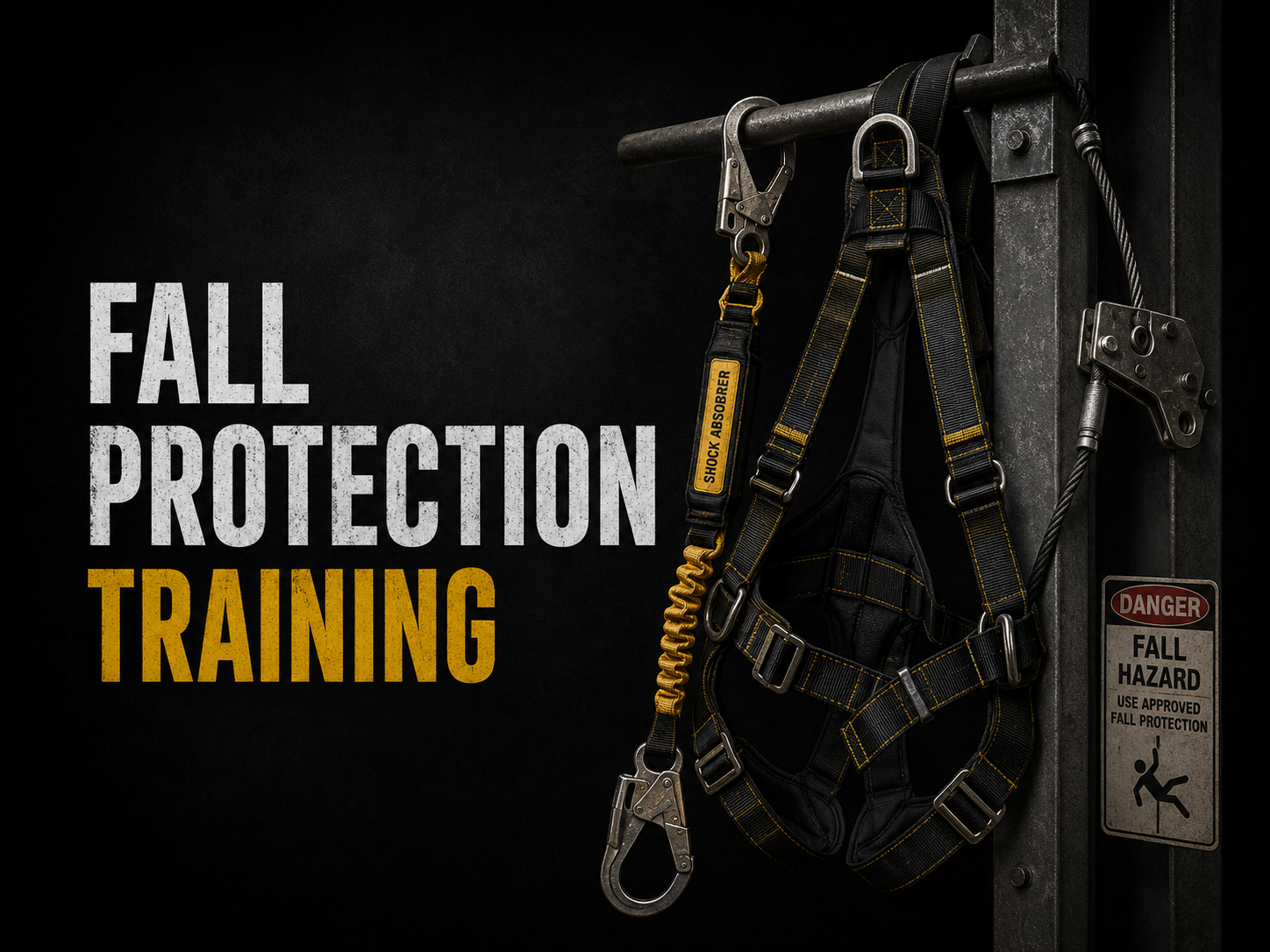
Fall Protection Training
$30 · ~30 min online · certificate issued same day · valid 2 years
Also read: Detroit Cell Site Battle: Why Clear Easements Matter for Tower Crews · Westlake, TX Cell Tower Battle: Federal Order vs. Local Appeal
NATE also announced the release of a new #ClimberConnection video focusing on collar mount best practices. The #ClimberConnection series is a valuable resource that provides practical, visual guidance on specific tasks and safety procedures relevant to tower climbers.
This highlights the importance of continuous, task-specific training for field crews:
- Detail-Oriented Safety: Even seemingly routine tasks like installing a collar mount require precise execution to prevent equipment failure or other hazards. A dedicated video emphasizes the need for attention to detail in every aspect of tower work.
- Refresher Training: These videos serve as excellent refreshers for experienced climbers and essential learning tools for newer team members, ensuring everyone is aligned with current best practices.
- Preventive Measures: Understanding and implementing best practices for equipment installation and use is a fundamental aspect of fall protection and overall worksite safety. Crew leads should ensure their teams review and apply the guidance provided in such resources.
Leadership Shifts and Legislative Recognition
The NATE update also touched upon governmental and legislative aspects. They commended the nomination of Keith Sonderling for Labor Secretary and honored Senate Majority Leader John Thune with the 2026 Legislative Champion of the Year Award. While these are high-level political and recognition items, they indirectly affect the industry.
- Department of Labor Leadership: A new Labor Secretary can influence the focus and enforcement priorities of agencies like OSHA. While specific policy shifts are not detailed in the NATE update, it's a reminder for safety managers to stay informed about potential changes in regulatory emphasis that could impact compliance strategies.
- Industry Advocacy: Recognizing legislative leaders underscores the ongoing efforts by industry associations to advocate for policies that support the growth and operational needs of the communications infrastructure sector. These advocacy efforts can indirectly contribute to an environment that supports safety training and workforce development.
The NATE Government Relations Update for July 2026 paints a picture of an industry poised for significant growth, with a clear and consistent emphasis on safety and best practices. For tower climbers, crew leads, and safety managers, these updates are not just news; they are indicators of future workload, opportunities for safety improvement, and essential reminders to remain vigilant and well-trained in an ever-evolving field.
