The telecom industry continues to evolve at a rapid pace, demanding not only speed of deployment but also an unwavering commitment to safety and quality. A recent collaboration between the Telecommunications Industry Foundation (TIF) and NATE: The Communications Infrastructure Contractors Association addresses these critical needs head-on with a new training video. This deep-dive resource focuses on the precise installation of collar ring mounts on monopoles, a foundational step for building secure and level antenna platforms. For tower climbers, crew leads, and safety managers, understanding and implementing these best practices is paramount to protecting personnel and ensuring the long-term reliability of our nation's vital communications infrastructure.
Prioritizing Pre-Installation Verification
The new TIF-NATE training video underscores a crucial principle that often dictates the success and safety of any tower project: thorough preparation. Before a single wrench is turned or a component hoisted, crews are urged to perform meticulous checks. Andrew Parker of Ontivity, who guides viewers through the process, stresses the importance of verifying that all supplied hardware aligns perfectly with both the engineering drawings and the specific monopole structure on site. This isn't merely a bureaucratic step; it's a fundamental safeguard against errors that could compromise the entire installation.
For field crews, this means dedicating sufficient time to cross-reference part numbers, dimensions, and specifications. Any discrepancy, no matter how minor it seems, could lead to significant challenges down the line. Crew leads play a vital role in enforcing this verification stage, ensuring that their teams have the necessary documentation and the time to review it thoroughly.
Beyond hardware, the video encourages early identification of potential conflicts:
- Clearance Issues: Are there existing components or obstructions that will interfere with the new mount?
- Hardware Conflicts: Will new bolts or brackets clash with existing fixtures?
- Step-Bolt Interference: Will the collar ring mount obstruct access to essential step bolts, impacting future maintenance or emergency access?
Identifying these problems early allows for proactive solutions. The video explicitly advises obtaining engineering revisions when necessary, rather than attempting to force an installation that doesn't fit. As Parker cautions, "If your measurements aren't correct... you could damage the collar ring mount itself and the monopole structure." This proactive approach not only prevents costly rework and delays but, more importantly, averts structural damage that could pose severe safety risks. Safety managers should integrate this pre-installation checklist into their standard operating procedures, emphasizing that rushing this phase is a direct path to increased hazards.
Best Practices for Work at Height
Once the groundwork is laid, the actual installation of the collar ring mount demands unwavering attention to detail and adherence to established safety protocols. The TIF-NATE video highlights several best practices critical for ensuring both worker safety and the structural integrity of the antenna platform.
Key aspects covered include:
- Fall Protection: This is non-negotiable for any work at height. The training reinforces the necessity of proper fall protection techniques, which are aligned with OSHA requirements for construction (e.g., OSHA standard 1926.501 mandates fall protection for employees working at heights of 6 feet or more). This includes ensuring 100% tie-off where feasible, proper use of personal fall arrest systems, and understanding anchorage points. For tower climbers, this means constant vigilance and correct equipment use. For crew leads, it involves supervising proper tie-off and ensuring all team members are trained and equipped.
- Ground Assembly: Whenever possible, assembling components on the ground reduces risks associated with working at height. The video likely shows how sections of the collar ring mount or associated hardware can be pre-assembled safely before being hoisted. This minimizes exposure to fall hazards and allows for more ergonomic work postures.
- Proper Rigging Techniques: Lifting heavy, unwieldy components like collar ring mounts requires specialized rigging knowledge. The video emphasizes using correct rigging hardware, understanding load capacities, balancing loads, and ensuring clear communication during hoisting operations. Improper rigging can lead to dropped objects, equipment damage, or uncontrolled movements that endanger workers below and aloft.
- Maintaining Equal Gap Dimensions and Level: As the collar ring mount is tightened, precision is paramount. The video guides installers on maintaining equal gap dimensions around the monopole and ensuring the mount remains perfectly level. This step is crucial for distributing loads evenly and preventing stress concentrations that could lead to structural fatigue or failure over time. Crew leads must ensure their teams are equipped with appropriate leveling tools and understand the tolerances required by engineering specifications.
These practices, when meticulously followed, contribute directly to a safer work environment and a more robust installation. They are not merely suggestions but foundational elements of responsible tower construction, reflecting a commitment to safety aligned with industry best practices.
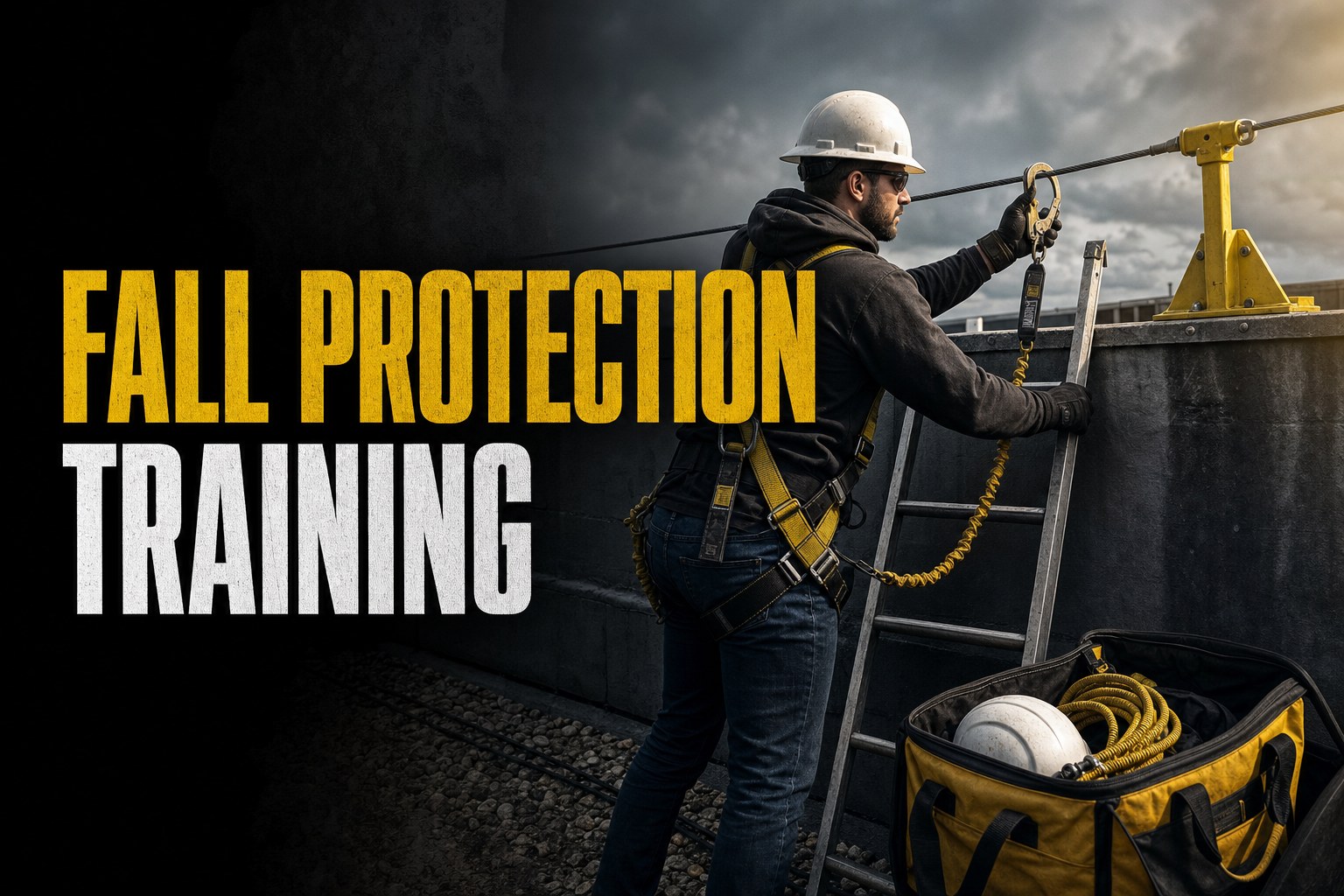
Recommended certification
Fall Protection Training
$30 · ~30 min online · certificate issued same day · valid 2 years
Also read: Tower Climber Certification Path: From Authorized to Foreman · NATE's July Update: Growth, Safety, and What Climbers Need to Know
Securing the Structure: The Final Checks
The installation process isn't complete until the final checks are performed and verified. The TIF-NATE training video concludes with a vital reminder for installers: after the load is removed from the newly installed collar ring mount, it is imperative to verify that there is no slippage or shifting before proceeding with the installation of the platform and antenna components.
This final verification step is a critical checkpoint for structural integrity. Any movement or settling after the initial load is taken off could indicate an issue with the tightening process, the fit of the hardware, or even unforeseen structural anomalies. Ignoring such signs could lead to:
- Compromised Structural Integrity: A shifting mount can put undue stress on the monopole, potentially leading to long-term damage or even catastrophic failure.
- Antenna Alignment Issues: If the platform is not perfectly stable, antenna alignment will be a persistent challenge, impacting network performance and requiring costly re-visits.
- Safety Hazards: An unstable mount creates an inherently unsafe platform for future maintenance work, increasing the risk of falls or equipment failure.
For safety managers, this reinforces the need for comprehensive quality control protocols that extend beyond the initial installation. It highlights the importance of documentation and sign-offs at each critical stage, ensuring that all verification steps are completed and recorded. Crew leads must instill in their teams the discipline to perform these final checks diligently, understanding that their work impacts not just the current project but also the safety and functionality of the tower for years to come. This commitment to precision from planning to final inspection is what elevates industry standards and protects lives.
Elevating Industry Standards Through Education
The release of this new training video by TIF and NATE is more than just a guide for a specific installation task; it represents a significant investment in the continuous education and professional development of the telecommunications infrastructure workforce. As NATE Director of Safety & Education Brian Bicknese stated, the video "reinforces NATE and TIF's commitment to delivering practical safety guidance and technical education directly to the industry's workforce."
For tower climbers, this resource provides actionable insights into complex procedures, ensuring they have access to trustworthy work practices. It empowers them with the knowledge to perform their jobs more safely and efficiently, reducing the likelihood of errors and incidents. Continuous learning is essential in a field where technology and methods are constantly evolving.
For crew leads, the video serves as an invaluable tool for training new team members and refreshing the skills of experienced ones. It provides a standardized approach to a critical task, helping to ensure consistency across projects and crews. By leveraging such resources, crew leads can foster a culture of excellence and accountability within their teams.
Safety managers benefit by having access to high-quality, industry-specific training content that aligns with best practices. This video can be integrated into existing safety programs, used for toolbox talks, or as part of more formal training modules. It helps address specific hazards associated with monopole work and provides clear guidance on mitigating those risks. Michelle Kang, PE, TIF Board Chair, emphasized the "shared 'for the good of the industry' mission to advance education, promote best practices, and support the continued evolution of telecommunications infrastructure through collaboration and knowledge-sharing." This collaborative spirit is vital for driving safety improvements across the entire sector.
In an industry where the stakes are incredibly high—both in terms of worker safety and the reliability of essential communications—investing in detailed, practical training is not just good practice; it's an imperative. This new video is a testament to the industry's dedication to ensuring that every tower is built safely, correctly, and to last.
