
June recently marked the National Utility Contractors Association's (NUCA) Trench Safety Month, an annual initiative aimed at reinforcing safe excavation practices across the utility construction industry. Supported by OSHA and the Trenching and Excavation Safety Taskforce, this campaign underscores a critical and persistent hazard: trench collapses. Despite decades of awareness efforts, tragic incidents continue to occur, emphasizing the urgent need for robust safety protocols, consistent execution, and thorough training for every worker involved in excavation.
The Persistent Danger of Trenching
Excavation work, while essential for infrastructure development, carries inherent and severe risks. The statistics speak to the gravity of the situation: the Bureau of Labor Statistics reported 18 trench collapse fatalities in 2024. By June 2025, OSHA noted 11 trench-related deaths had already occurred that year. These fatalities were not confined solely to construction, highlighting a broader industry challenge.
These numbers are a stark reminder that even with established safety standards, the danger of trench collapses remains very real. For crew leads and safety managers, these figures should serve as a powerful impetus to re-evaluate current practices and ensure every precaution is taken on every jobsite.
NUCA's Proactive Campaign
NUCA's Trench Safety Month, which included the annual Trench Safety Stand Down from June 15-19, is a significant industry effort. This year's activities, building on a decade of previous stand downs, involved safety training sessions, educational seminars, toolbox talks, and live trench rescue demonstrations. These events took place at hundreds of jobsites nationwide, with over 24,200 workers and first responders participating in 461 jobsites in 2025 alone.
Skout Raney, chairman of NUCA's Safety Committee, emphasized the campaign's expanded reach. "When NUCA started Trench Safety Month, it was seen as a terrific way to introduce the Trench Safety Stand Down week to the entire underground excavation industry, and not just NUCA members," Raney stated. "Dedicating an entire month to trench safety expands the concepts of TSSD and we trust also expands the reach of our safety message to more who need to hear it."
This broad outreach is crucial because excavation work is fundamental to many sectors, including the ongoing water, wastewater, broadband, electric, and transportation projects funded through the Infrastructure Investment and Jobs Act. As these projects ramp up, thousands of new workers will enter the field, making comprehensive excavation safety training more vital than ever.
The Challenge: Execution Over Awareness
While awareness and training are foundational, NUCA officials and industry experts like Skout Raney highlight that the primary challenge isn't a lack of knowledge, but rather the consistent execution of proven safety practices. Raney pointed out that "Too often, schedule pressure, inadequate supervision or complacency leads crews to take dangerous shortcuts." He further stressed, "Contractors must understand that awareness and training alone are not enough."
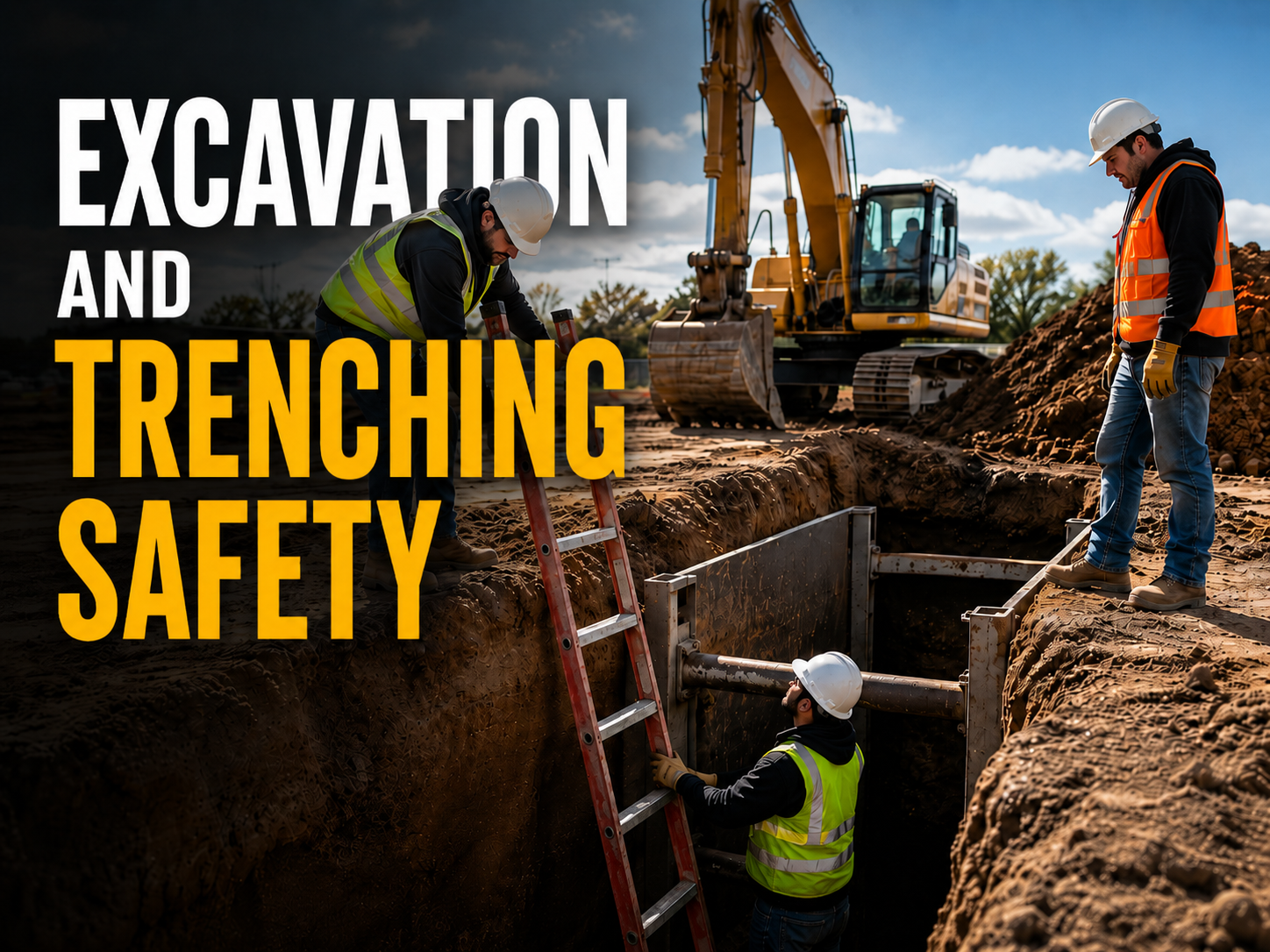
Recommended certification
Excavation and Trenching Safety
$35 · ~3.5h online · certificate issued same day · valid 2 years
Also read: Breland Homes Faces $115,855 OSHA Penalties After Fatal Trench · Louisiana's Broadband Boom: Opportunities and Safety for Telecom Crews
This insight is critical for crew leads and safety managers. It means that simply providing a training course or a toolbox talk isn't the end of the safety journey. The focus must shift to ensuring that the knowledge gained is consistently applied in the field, even when faced with tight deadlines or other pressures. Complacency can be a silent killer in trenching operations, leading workers to underestimate risks they've encountered countless times before.
Practical Takeaways for Field Crews and Managers
For those working in or managing utility and telecom construction, the message from NUCA's campaign is clear and actionable:
- Integrate Trench-Specific Safety from Day One: Incorporate detailed trench safety instruction into all onboarding programs for new hires. This ensures that workers understand the specific hazards and protective measures before they ever step into an excavation site.
- Prioritize Hands-On Field Training: Interactive, scenario-based hazard recognition exercises are particularly effective. As Raney noted, these present "realistic situations such as unstable soil, improper shoring or nearby traffic and require workers to identify risks and choose the correct protective measures." This type of training helps bridge the gap between theoretical knowledge and practical application.
- Empower Competent Persons: A designated competent person, as defined by OSHA regulations, must have the authority to identify existing and predictable hazards in the surroundings or working conditions which are unsanitary, hazardous, or dangerous to employees, and to take prompt corrective measures to eliminate them. Critically, this individual must be empowered to stop work immediately when conditions become unsafe, without fear of reprisal. This is a non-negotiable aspect of excavation safety.
- Foster a Culture of Safety First: Every member of the crew, from the newest laborer to the project manager, must internalize the principle that "No job is so urgent that it cannot be done safely." This means understanding that "Every trench must be properly protected, inspected and treated as a potentially life-threatening hazard."
The Future Workforce and Safety Imperatives
With significant infrastructure projects underway, the demand for skilled workers, including those involved in excavation, is growing. Many of these new workers will require comprehensive excavation safety training. This presents both a challenge and an opportunity to embed a strong safety culture from the outset.
For safety managers, this means ensuring that training programs are not just aligned with OSHA requirements but go further to instill a deep understanding of risk and the absolute necessity of protective systems. For crew leads, it means diligent supervision, consistent reinforcement of safety rules, and an unwavering commitment to stopping work when conditions are anything less than safe. The goal is zero fatalities, a goal that is entirely achievable through vigilance, proper training, and unwavering adherence to safety standards.

