
The Golden State Fiber network, a $296.3 million public-private partnership, is advancing the deployment of approximately 1,065 miles of new fiber across rural California, creating significant work for telecom construction and maintenance crews. This ambitious initiative aims to expand broadband connectivity and will require extensive planning and adherence to safety standards for all involved in its design, construction, and maintenance.
The Golden State Fiber Initiative Takes Shape
The Golden State Connect Authority (GSCA), a joint powers authority representing 40 rural California counties, is spearheading the Golden State Fiber network. This last-mile public-private partnership is designed to deliver affordable high-speed internet to communities that currently lack robust connectivity.
FiberTel, a Quanta Services company specializing in telecommunications network design, construction, and maintenance, has signed a critical agreement with GSCA. Under this agreement, FiberTel will be responsible for designing and building fiber deployments in multiple counties, including Alpine, Amador, Imperial, Mono, and Tehama, as well as the Town of Mammoth Lakes. The project also includes completing Phase 2 of the buildout in Glenn County, where GSCA broke ground on Phase 1 in April 2026.
Across these initial project areas, the network is projected to span roughly 1,065 miles of fiber. The Golden State Fiber project is backed by substantial funding, including $110.9 million in bond financing and an additional $185.4 million from the California Public Utilities Commission's Last Mile Federal Funding Account, totaling $296.3 million. This public-private model ensures that the infrastructure will be publicly owned and open-access, allowing multiple private-sector broadband providers to compete on the same network, which GSCA believes will enhance customer choice and affordability. Groundbreaking on remaining projects and connecting residents and businesses are expected to commence in early 2027.
Implications for the Telecom Workforce
The significant scope and funding behind the Golden State Fiber network translate directly into substantial opportunities for the telecom workforce. From initial design and engineering to the physical construction and eventual maintenance, a wide array of skilled labor will be needed. This includes fiber optic technicians, splicers, equipment operators, tower climbers (for any necessary aerial work or co-location), and general construction laborers.
Crew leads and safety managers should anticipate an increased demand for qualified personnel and ensure that their teams are adequately staffed and trained for the specific demands of fiber deployment. The project's timeline, with initial groundbreaking in April 2026 and connections beginning in early 2027, suggests a sustained period of intensive work. This sustained demand emphasizes the importance of ongoing training and certification to maintain a skilled and safe workforce capable of executing such large-scale infrastructure projects.
Critical Safety Considerations for Fiber Deployment
Fiber network construction, especially in rural and potentially challenging terrains, presents a unique set of safety hazards that field crews, crew leads, and safety managers must diligently address. The expansive scope of this project underscores the critical need for robust safety planning, thorough crew training, and strict adherence to established protocols from the outset.
The expansive scope of this project underscores the critical need for robust safety planning, thorough crew training, and strict adherence to established protocols from the outset.
Here are key areas of focus:
Recommended certification
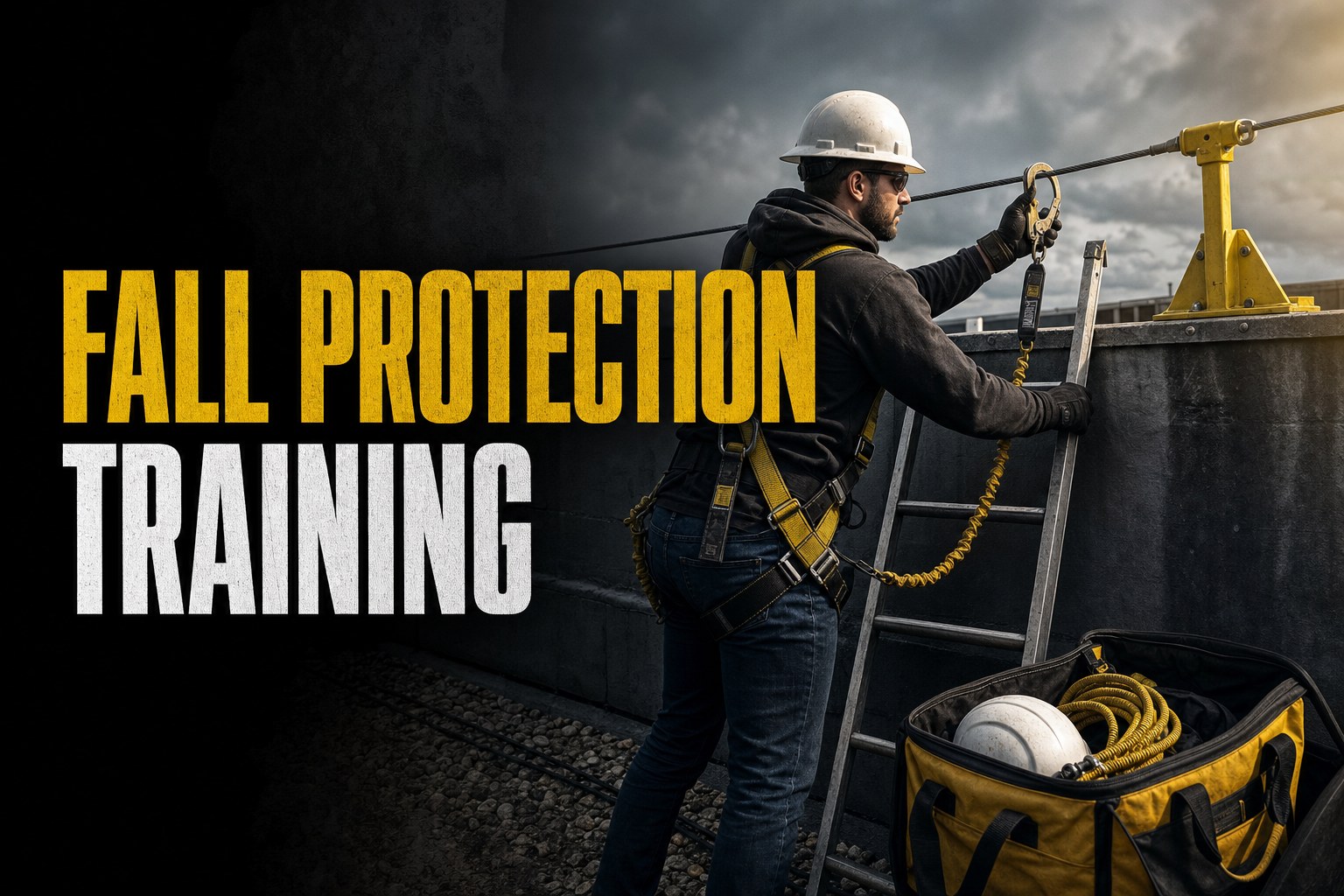
Fall Protection Training
$30 · ~30 min online · certificate issued same day · valid 2 years
Also read: Preventing Trench Fatalities: Key Takeaways from NUCA's Safety Month · Louisiana's Broadband Boom: Opportunities and Safety for Telecom Crews
- Trenching and Excavation Safety: A significant portion of fiber deployment involves underground installation, requiring trenching and excavation. This work falls under OSHA 1926 Subpart P, which mandates strict requirements for preventing cave-ins, ensuring worker access and egress, and managing spoil piles. Crew leads must ensure proper utility locates are performed (calling 811), trenches are inspected, and protective systems like shoring, sloping, or shielding are used when required. Confined space entry procedures may also be necessary for vaults and manholes.
- Aerial Work and Fall Protection: While much fiber is buried, some deployments involve attaching fiber to existing utility poles or installing new ones. This necessitates aerial work using bucket trucks (MEWPs) or pole climbing. Adherence to fall protection standards, such as OSHA 1926.501, is paramount. This includes ensuring 100% tie-off, proper use of personal fall arrest systems, regular inspection of equipment, and maintaining safe distances from energized power lines.
- Electrical Safety: Working near existing utility infrastructure, especially power lines, poses significant electrical hazards. Crews must be trained in recognizing and avoiding electrical hazards, understanding lockout/tagout procedures for de-energized equipment, and maintaining minimum approach distances to live circuits. Proper grounding and bonding practices are essential to protect workers from electrical shock.
- Traffic Control and Roadway Safety: Fiber installation often occurs along roadways, requiring effective traffic control plans to protect both workers and the public. Compliance with Manual on Uniform Traffic Control Devices (MUTCD) guidelines is crucial. This includes proper signage, flagging procedures, and establishing safe work zones to prevent accidents.
- Hazard Communication: Crews will handle various materials, including fiber optic cables, splicing gels, cleaning solvents, and potentially other construction materials. A thorough understanding of Safety Data Sheets (SDS) and proper handling, storage, and disposal procedures for all chemicals on site is essential to comply with OSHA's Hazard Communication Standard.
- Environmental and Site-Specific Challenges: Rural California can present diverse environmental conditions, from high heat in desert areas to mountainous terrain and varying weather. Safety plans must account for heat stress prevention, hydration, cold weather precautions, and working on uneven or unstable ground. Remote work sites also necessitate robust communication plans and emergency response procedures.
Preparing for the Work Ahead
To successfully and safely execute the Golden State Fiber network project, proactive preparation is key for all stakeholders:
- For Field Crews: Personal responsibility for safety is paramount. This includes attending all required training, consistently using appropriate Personal Protective Equipment (PPE), conducting pre-task planning, and immediately reporting any observed hazards or near misses to supervisors.
- For Crew Leads: Daily safety briefings, thorough pre-job hazard assessments, and ensuring all team members are competent and equipped for their tasks are critical. Leads must actively monitor work sites for changing conditions and enforce all safety protocols.
- For Safety Managers: The focus should be on developing comprehensive safety programs aligned with OSHA requirements, conducting regular site audits, ensuring all training and certifications are current, and establishing clear emergency action plans tailored to the specific challenges of rural fiber deployment. This includes verifying that all equipment, from trenchers to aerial lifts, is regularly inspected and maintained.
The Golden State Fiber network represents a significant step forward for rural broadband access and a substantial opportunity for the telecom construction industry. By prioritizing safety and preparedness, crews can contribute to the successful and efficient buildout of this vital infrastructure.


