
A tragic worker fatality in Corpus Christi, Texas, serves as a stark reminder of the unforgiving dangers posed by confined spaces, coupled with failures in respiratory protection and electrical safety. Following an investigation into an employee's death, the U.S. Department of Labor's Occupational Safety and Health Administration (OSHA) has cited big rig parts distributor FleetPride Inc. for 16 serious safety violations.
This incident underscores the absolute necessity for robust safety programs across all industries, including telecom and construction, where similar hazards are frequently encountered. The lessons learned from this case are directly applicable to field crews, crew leads, and safety managers working in potentially hazardous environments.
The Incident and OSHA's Findings
OSHA initiated its inspection into FleetPride on January 7, 2026, after an employee tragically asphyxiated while inspecting a tanker trailer. The investigation concluded with OSHA proposing penalties totaling $264,380 against the company. The citations included 16 serious and three other-than-serious violations.
The serious violations specifically highlighted critical safety program deficiencies. OSHA found that FleetPride failed to implement a proper confined space program, lacked essential elements for its respiratory protection program, and exposed workers to various electrical hazards. These findings point to systemic issues that, in this case, led to a preventable fatality.
Confined Spaces: A Pervasive and Deadly Hazard
Confined spaces are among the most dangerous environments workers can encounter, and the FleetPride incident tragically illustrates why. By definition, a confined space is large enough and configured so an employee can bodily enter and perform assigned work, has limited or restricted means for entry or exit, and is not designed for continuous employee occupancy. Examples in the telecom and construction sectors include manholes, vaults, utility tunnels, storage tanks, pits, and even certain equipment enclosures.
The dangers within these spaces are numerous and often invisible. They can include oxygen deficiency, toxic gases (like hydrogen sulfide or carbon monoxide), flammable atmospheres, engulfment hazards from liquids or granular materials, and mechanical hazards from moving parts. Without a meticulously planned and executed confined space program, workers entering these areas are at extreme risk.
An effective confined space program, aligned with OSHA requirements, must include:
- Hazard Identification and Assessment: Thoroughly evaluating all potential and known hazards before entry.
- Permit-Required Confined Space Procedures: Developing and following a written program that includes a permit system for entry.
- Atmospheric Monitoring: Continuously testing the air for oxygen levels, flammable gases, and toxic substances before and during entry.
- Ventilation: Providing adequate ventilation to maintain safe atmospheric conditions.
- Attendants and Authorized Entrants: Designating trained personnel to monitor entrants and maintain communication.
- Rescue Procedures: Establishing clear, practiced rescue plans and ensuring rescue equipment is readily available and personnel are trained for emergency response.
- Training: Comprehensive training for all personnel involved, including entrants, attendants, and rescue teams.
FleetPride's failure to implement such a program directly contributed to the fatal asphyxiation, underscoring that simply being aware of confined spaces is not enough; a proactive, compliant, and practiced program is essential.
Respiratory Protection and Electrical Safety: Equally Critical
Beyond confined spaces, OSHA also cited FleetPride for deficiencies in its respiratory protection program and for exposing workers to electrical hazards. These are two other areas where rigorous adherence to safety standards is non-negotiable.
Respiratory Protection: When atmospheric hazards cannot be eliminated or controlled through engineering means (like ventilation), respiratory protection becomes vital. A robust respiratory protection program, aligned with OSHA standards, includes:
- Hazard Assessment: Identifying when respirators are needed based on air contaminants.
- Medical Evaluations: Ensuring workers are medically fit to wear respirators.
- Fit Testing: Confirming that the chosen respirator properly seals to the user's face.
- Training: Educating workers on proper use, limitations, maintenance, and storage of respirators.
- Maintenance and Storage: Ensuring respirators are kept clean, functional, and stored correctly.
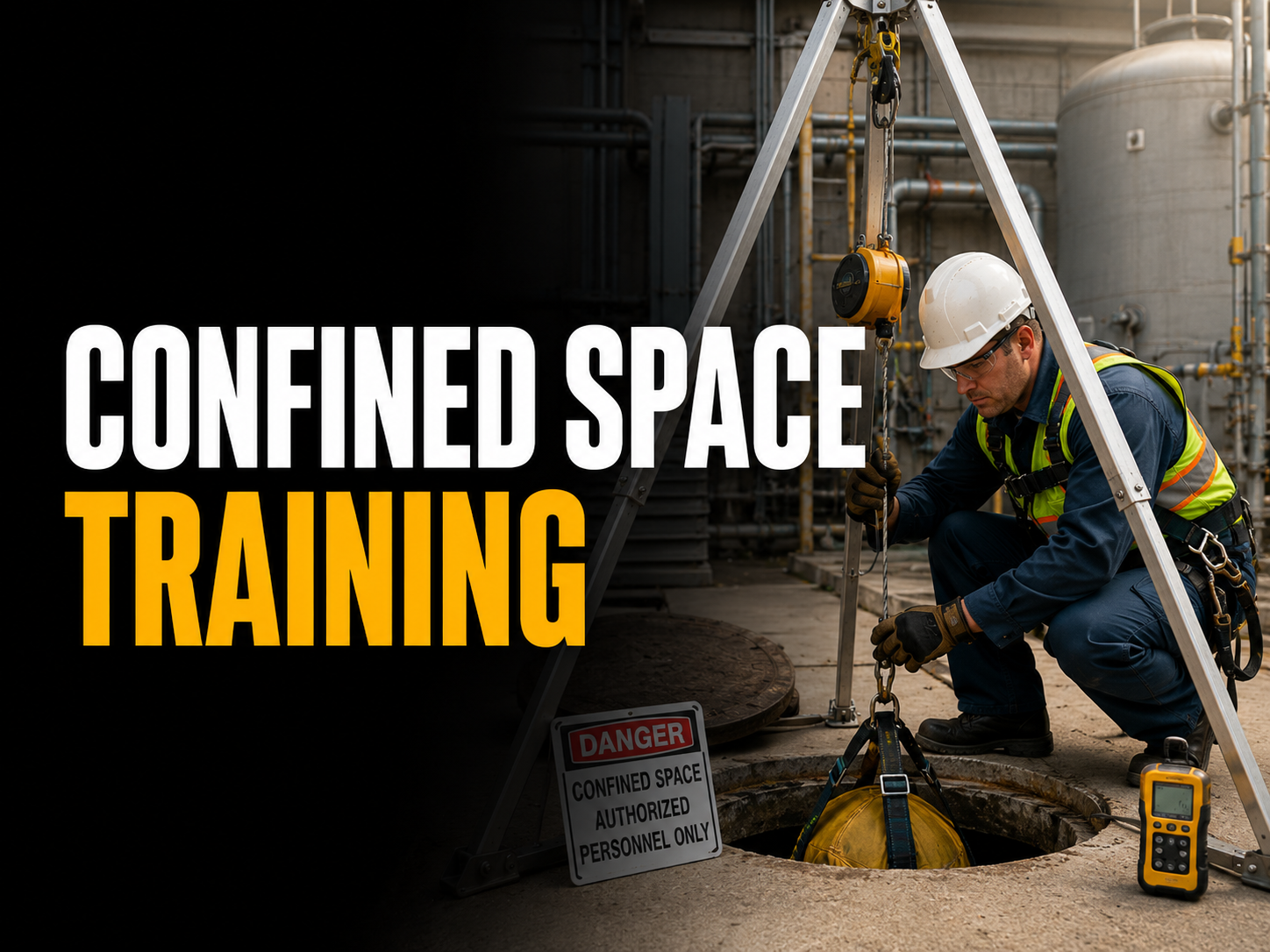
Recommended certification
Confined Space Training
$30 · ~2h online · certificate issued same day · valid 2 years
Also read: Breland Homes Faces $115,855 OSHA Penalties After Fatal Trench · Houston Contractor Fined $343K After Excavation Collapse
For telecom and construction crews, this could apply to tasks involving welding, cutting, grinding, working with hazardous chemicals, or in environments with significant dust or fumes. Lacking elements in this program can leave workers vulnerable to acute and chronic respiratory illnesses.
Electrical Hazards: Electrical hazards are a constant threat on many job sites. OSHA's citation for exposing workers to electrical hazards highlights the need for strict adherence to electrical safety practices. These include:
- Lockout/Tagout Procedures: Properly de-energizing and securing equipment before maintenance or repair.
- Grounding and GFCI Protection: Ensuring proper grounding of electrical systems and using Ground-Fault Circuit Interrupters (GFCIs) where required.
- Safe Work Practices: Maintaining safe distances from power lines, using insulated tools, and wearing appropriate personal protective equipment (PPE).
- Hazard Assessment: Identifying and mitigating electrical risks before work begins.
For tower climbers and construction workers, tasks often involve working near energized equipment, using portable power tools, or dealing with temporary power sources, all of which demand unwavering attention to electrical safety.
Practical Takeaways for Field Crews and Safety Managers
This tragic incident at FleetPride serves as a powerful reminder for everyone involved in high-risk work environments. Preventing similar fatalities requires a collective commitment to safety, from the top down.
For Field Crews:
For Crew Leads and Safety Managers:
The $264,380 penalty proposed against FleetPride Inc. is significant, but it pales in comparison to the cost of a human life. Proactive safety measures, diligent training, and strict adherence to established protocols are the only ways to ensure that every worker returns home safely at the end of their shift.

