
A recent investigation by the U.S. Department of Labor's Occupational Safety and Health Administration (OSHA) has resulted in significant proposed penalties for a Houston utility contractor, Blazey Construction Services LLC. The action follows an incident in Alvin, Texas, where an excavation collapse led to the hospitalization of a worker. This event serves as a stark reminder of the inherent dangers in trenching and excavation work and the critical importance of adhering to established safety protocols and reporting requirements.
The Incident and OSHA's Findings
The incident occurred while crews were engaged in installing sewer and water pipes for a residential development in Brazoria County. Following the worker's hospitalization, OSHA initiated an investigation into Blazey Construction Services LLC. The agency determined that the company had exposed its employees to serious hazards by failing to adequately protect the excavation site, neglecting to provide a safe means of egress for workers, and failing to report the hospitalization within the federally mandated 24-hour timeframe. As a result, OSHA cited the company for two repeat violations and one other-than-serious violation, proposing penalties totaling $343,797.
Why Excavation Safety is Non-Negotiable
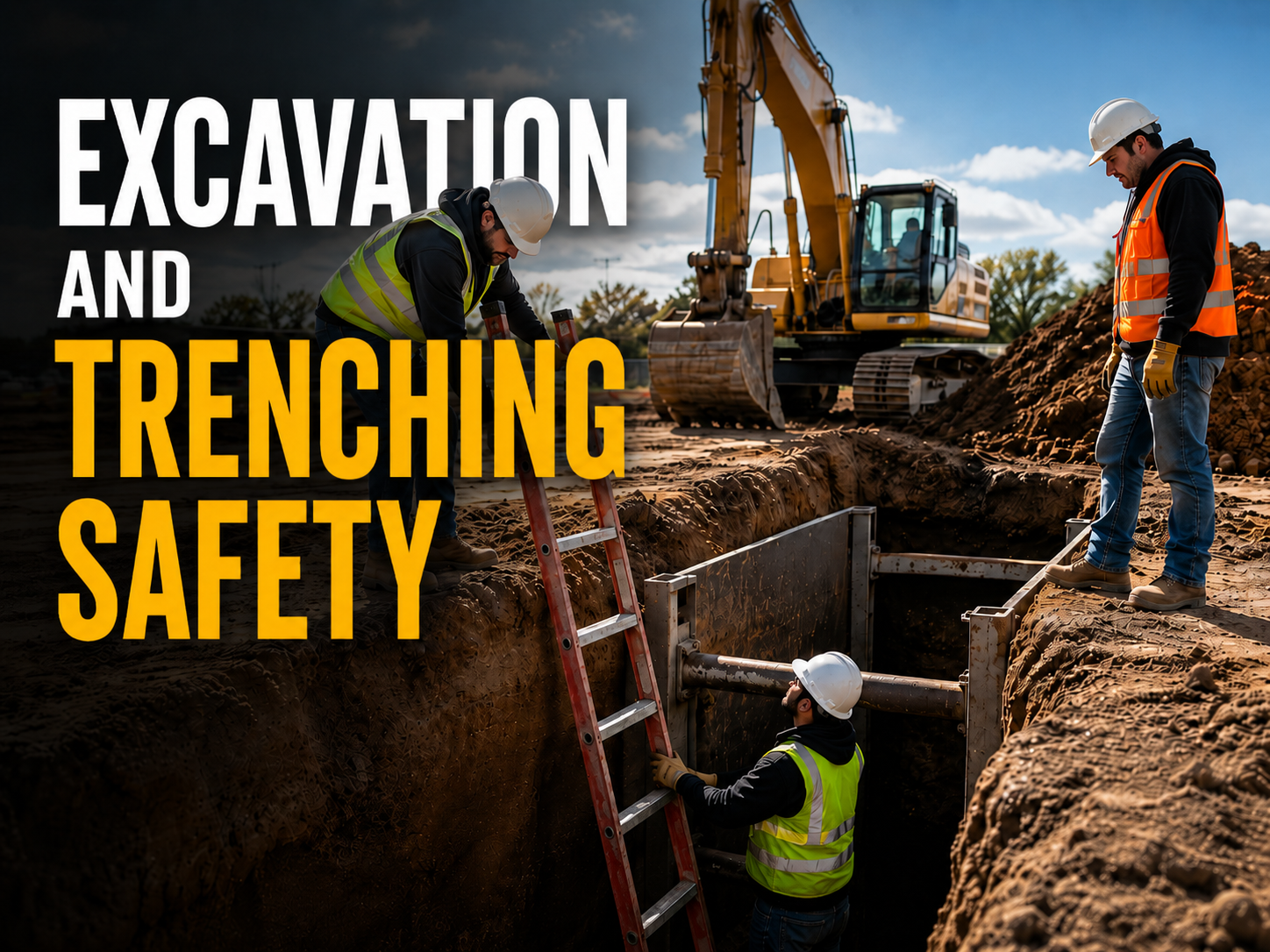
Excavation and trenching are among the most hazardous operations in construction. OSHA's standards, particularly those outlined in 29 CFR 1926 Subpart P, are designed to prevent cave-ins, which can cause severe injuries or fatalities. These standards require protective systems for trenches 5 feet or deeper, unless the excavation is entirely in stable rock. Common protective systems include:
- Sloping: Angling the trench wall away from the excavation to a safe incline.
- Shoring: Installing supports, such as timber, mechanical, or hydraulic systems, to prevent soil movement.
- Shielding (Trench Boxes): Using structures that can withstand a cave-in and protect workers within.
Beyond structural integrity, safe access and egress are equally vital. Workers must have a safe way to enter and exit an excavation, typically through ladders, ramps, or stairways, positioned within 25 feet of workers in trenches 4 feet or deeper. The absence of these fundamental protections directly contributes to incidents like the one in Alvin, Texas.
The Cost of Non-Compliance: Financial and Human
The proposed penalty of $343,797 underscores the serious financial repercussions of failing to comply with safety regulations. For a utility contractor, such a substantial fine can significantly impact operations and reputation. More critically, the human cost of a worker's hospitalization is immeasurable. Injuries sustained in excavation collapses can range from broken bones and internal injuries to asphyxiation, leading to long-term disability or even death. The fact that Blazey Construction Services LLC received two 'repeat violations' is particularly concerning. This classification indicates that the company has been cited for similar violations in the past, suggesting a pattern of overlooking critical safety requirements. For crew leads and safety managers, this highlights the necessity of not only addressing immediate hazards but also implementing robust, sustained safety programs that prevent recurring issues.
Recommended certification
Excavation and Trenching Safety
$35 · ~3.5h online · certificate issued same day · valid 2 years
Also read: Breland Homes Faces $115,855 OSHA Penalties After Fatal Trench · Florida Roofing Contractor Faces $349K Fine for Repeated Fall
Critical Reporting Requirements
Another key finding from OSHA's investigation was the failure to report the worker's hospitalization within 24 hours. Federal regulations require employers to report all work-related inpatient hospitalizations, amputations, or losses of an eye within 24 hours to OSHA. Fatalities must be reported within 8 hours. Timely reporting is not merely a bureaucratic formality; it allows OSHA to investigate serious incidents promptly, identify root causes, and intervene to prevent similar occurrences. For safety managers, establishing clear protocols for incident reporting and ensuring all supervisory staff are trained on these requirements is essential. Delays in reporting can lead to additional citations and hinder the investigative process.
Lessons for Field Crews and Safety Managers
This incident offers several critical takeaways for those working in construction and utility installation:
- Prioritize Hazard Assessment: Before any work begins, conduct a thorough site-specific hazard analysis for every excavation. This includes evaluating soil conditions, identifying potential underground utilities, and assessing proximity to structures or heavy equipment.
- Implement Protective Systems: Ensure all excavations 5 feet or deeper are protected by sloping, shoring, or shielding. For shallower trenches, a competent person must still inspect and determine if a protective system is needed.
- Ensure Safe Egress: Always provide a clear, unobstructed means of entry and exit within 25 feet of workers in trenches 4 feet or deeper.
- Competent Person Oversight: A designated competent person, trained in excavation safety, must be on site daily to inspect excavations and protective systems before work begins and after any event that could affect trench stability.
- Train Your Workforce: Regular and comprehensive training on excavation safety standards, hazard recognition, and emergency procedures is paramount for all personnel involved in trenching operations.
- Adhere to Reporting Rules: Develop and enforce clear procedures for immediately reporting serious incidents to OSHA, ensuring compliance with federal timelines.
By proactively addressing these areas, companies can protect their workers from the severe risks associated with excavation work and avoid significant penalties.

