
A recent ruling by the Federal Communications Commission (FCC) has significant implications for the wireless infrastructure industry, particularly concerning the scope of environmental reviews for new cell tower construction. The decision, stemming from a dispute over a proposed 260-foot tower in Montana, clarifies the FCC's long-held position on radiofrequency (RF) exposure limits: they are designed to protect human health, not animals, insects, or the broader environment. This explicit clarification provides a "bright line" for tower companies and project developers navigating the complex permitting landscape.
The Montana Tower Case and the FCC's Decision
The ruling originated from a challenge to Harmoni Towers' plan to erect a 260-foot cell tower near Condon, Montana. Local residents, organized as the nonprofit Stewards of the Swan Valley, opposed the project, arguing that Harmoni Towers' environmental assessment was insufficient. Their concerns centered on potential harm to nesting eagles and other wildlife in the area, claiming the assessment overlooked evidence and failed to account for impacts on various non-human species.
The FCC's Wireless Telecommunications Bureau reviewed the case and delivered its decision on August 20. While the Bureau did not dispute the factual claims regarding potential wildlife presence, it deemed them irrelevant to the assessment's requirements. The core of the ruling stated that Harmoni's assessment was not obligated to evaluate effects on non-human species because the Commission's RF exposure rules pertain exclusively to "the human environment." Consequently, the project was allowed to proceed without further environmental review focused on wildlife impacts from RF emissions.
Clarifying the Scope of RF Exposure Limits
This decision marks a pivotal moment, as the FCC has now stated outright what has long been an implicit understanding within the industry. Attorney W. Scott McCollough, representing the opposition, noted that while the underlying legal position isn't new, the FCC's explicit confirmation is significant. It unequivocally states that current FCC RF radiation regulations offer no protection for animals, insects, or plants from radiofrequency exposure.
For tower companies and project developers, this distinction clarifies that environmental assessments for wireless facilities do not need to evaluate effects on non-human species specifically related to RF exposure. These assessments, required under the National Environmental Policy Act (NEPA) for major federal actions like licensed wireless facility construction, have a defined scope. This ruling reinforces that claims of wildlife impact tied specifically to RF emissions fall outside this scope. It's crucial to understand that this does not exempt projects from considering physical construction impacts, such as habitat disturbance, viewshed alterations, or ground disruption, which remain valid areas for environmental review.
For tower companies and project developers, this distinction clarifies that environmental assessments for wireless facilities do not need to evaluate effects on non-human species specifically related to RF exposure.
The residents have a 30-day window from the August 20 decision to petition for reconsideration before it becomes final.
Implications for Tower Crews and Project Timelines
For crew leads and safety managers, this ruling primarily impacts the administrative and permitting phases of tower projects, rather than day-to-day operational safety on site. However, understanding the nuances of environmental review can help anticipate project timelines and potential challenges.
Recommended certification
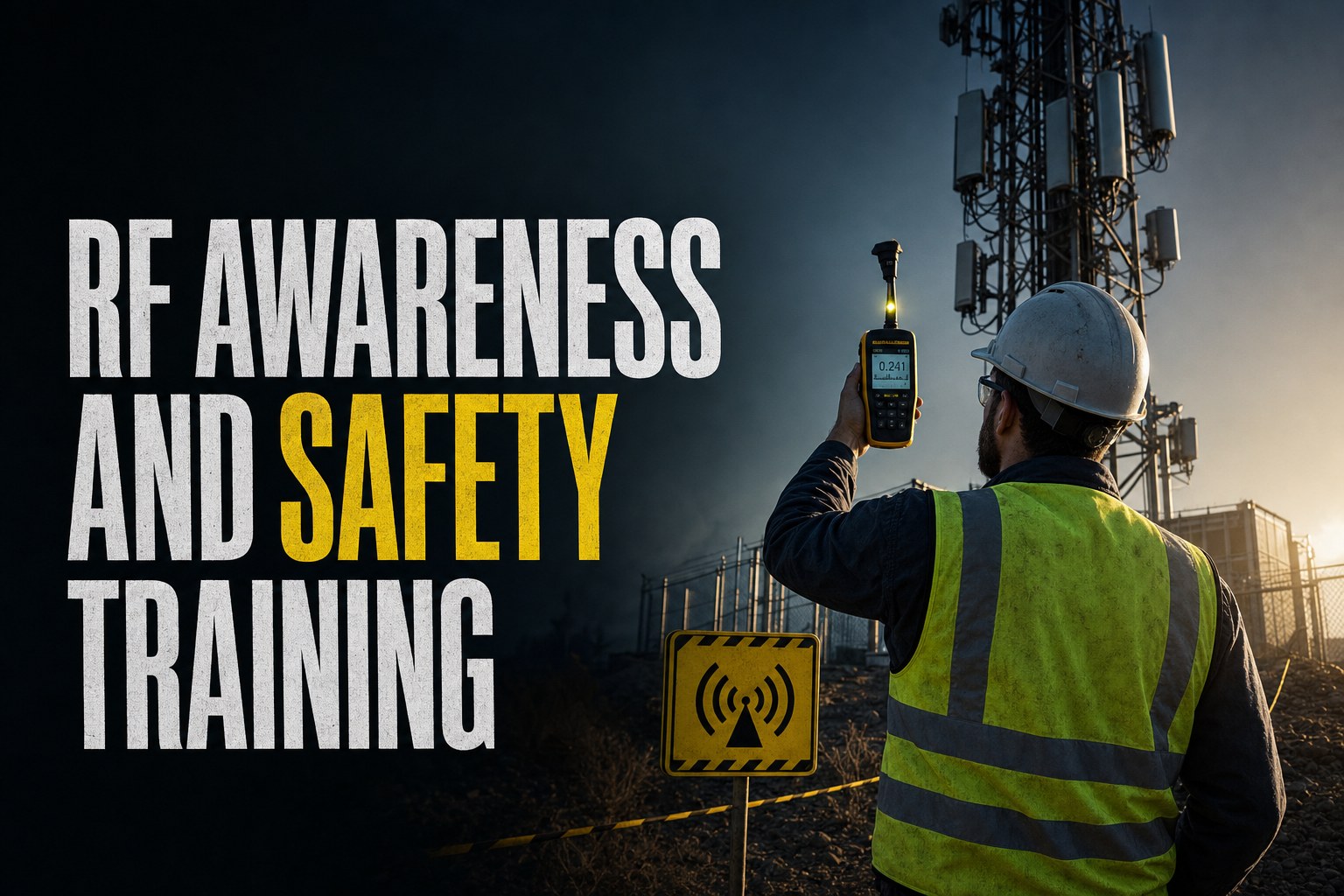
RF Awareness & Safety Training
$49 · ~1h online · certificate issued same day · valid 2 years
Also read: Detroit Cell Site Battle: Why Clear Easements Matter for Tower Crews · Westlake, TX Cell Tower Battle: Federal Order vs. Local Appeal
- Streamlined Permitting: By explicitly removing RF-related wildlife impacts from the scope of NEPA reviews, the FCC aims to streamline the permitting process. This could reduce opportunities for third-party objections to delay tower siting decisions, potentially accelerating project deployment.
- Focused Environmental Assessments: Environmental assessments will remain critical, but their focus on RF exposure will be strictly on human safety. This means that while RF safety plans for workers and the public are paramount, extensive studies on animal behavior or plant growth in relation to RF emissions will not be required by the FCC.
- Continued Vigilance on Physical Impacts: It's vital to remember that this ruling does not diminish the need to assess and mitigate physical construction impacts. Habitat disturbance, erosion control, and other site-specific environmental considerations related to the physical act of building a tower remain within the purview of NEPA and local regulations. Crews must continue to adhere to all site-specific environmental protection plans that address these physical aspects.
A Broader Regulatory Push
The Condon decision is not an isolated event but part of a wider FCC initiative to narrow environmental review obligations for wireless infrastructure. In August 2025, the Commission proposed significant rule changes aimed at "streamlining" and "modernizing" its NEPA review process. These proposed changes would further exempt a larger proportion of wireless projects from environmental review requirements altogether. For builders and site developers, a narrower review scope generally translates to fewer opportunities for third-party objections to slow down permitting, mirroring the dynamic observed in the Montana case.
Beyond the FCC's internal efforts, groups like Children's Health Defense are pursuing separate legal challenges. Their "704NoMore" initiative targets Section 704 of the Telecommunications Act of 1996, which currently prevents state and local governments from considering RF radiation health effects in tower siting decisions. Additionally, a pending federal case, filed in May, seeks to compel the FCC to comply with a 2021 D.C. Circuit ruling that found the Commission had inadequately responded to evidence of potential environmental harms from RF exposure during its last review of exposure limits. While these broader legal battles unfold, they underscore the ongoing debate surrounding RF exposure and environmental considerations.
Prioritizing Human Safety on Site
While the FCC's recent ruling clarifies that RF exposure limits are for humans only, this emphatically reinforces the existing imperative for robust human RF safety protocols on every job site. For tower climbers, crew leads, and safety managers, the focus remains squarely on protecting personnel from potential RF hazards.
- RF Awareness Training: All personnel working on or near active RF emitting antennas must receive comprehensive RF awareness training. This includes understanding the potential risks, identifying RF hazard zones, and implementing appropriate control measures.
- Site-Specific RF Safety Plans: Every site should have a detailed RF safety plan that outlines procedures for working safely around RF sources. This plan must include lockout/tagout procedures for RF sources where applicable, proper use of personal protective equipment (PPE), and emergency protocols.
- Continuous Monitoring: Regular monitoring of RF levels in work areas is crucial to ensure that exposure remains within established safety limits for human workers.
This FCC decision, while clarifying the scope of environmental review, ultimately highlights the ongoing importance of stringent safety practices for the human workforce in the wireless industry. Protecting our crews from RF hazards remains a top priority, aligned with OSHA requirements and best industry practices.
