
Unseen dangers lurk on many job sites, and among the most insidious is respirable crystalline silica dust. This fine dust, generated from common construction materials, poses severe health risks to workers if not properly controlled. A recent enforcement action by the U.S. Department of Labor's Occupational Safety and Health Administration (OSHA) against a Pennsylvania brick manufacturer serves as a stark reminder of the serious consequences — both for worker health and company finances — when these known hazards are willfully ignored.
On August 26, 2026, OSHA announced proposed penalties totaling $496,528 against General Shale Brick Inc., doing business as Watsontown Brick Company. The company faces multiple willful and serious violations for knowingly exposing its workers to unsafe levels of silica dust at its Watsontown plant. This case offers critical takeaways for safety managers, crew leads, and field crews across various industries, including those in telecom and general construction, where silica exposure is a persistent threat.
The Unseen Threat: Respirable Crystalline Silica
Respirable crystalline silica is a basic component of soil, sand, granite, and many other minerals. It's also a fundamental ingredient in widely used construction materials like concrete, brick, block, mortar, and engineered stone. When workers cut, saw, grind, drill, or crush these materials, tiny particles of crystalline silica are released into the air. These particles are so small they can penetrate deep into the lungs, leading to severe and irreversible lung diseases such as silicosis, lung cancer, chronic obstructive pulmonary disease (COPD), and kidney disease.
For workers in construction and telecom, activities like drilling anchor bolts into concrete foundations, cutting brick for equipment pads, or grinding mortar during repairs can generate significant amounts of silica dust. Even working in close proximity to these operations without adequate protection can lead to hazardous exposure. Understanding the sources and dangers of silica is the first step in protecting workers.
A Case Study in Negligence: Watsontown Brick's Violations
OSHA's inspection of Watsontown Brick Company's plant, initiated on February 12, 2026, was part of the agency's Site-Specific Targeting inspection plan and national emphasis program on silica. Investigators found that workers in Plant 3, where molded brick is made, were breathing in silica dust at levels exceeding safe limits. Crucially, OSHA determined that the company was aware of these hazardous exposures but failed to implement necessary controls or require workers to wear respirators.
Specifically, the U.S. Department of Labor cited the company with three willful and four serious violations. These included failures to:
- Require workers to wear respirators where needed.
- Conduct annual respirator fit tests for employees.
- Establish regulated areas to control access where silica exposure was high.
- Monitor silica exposure levels for all jobs involving silica.
- Provide required medical examinations for workers exposed to silica for more than 30 days per year.
Adding to the severity, a repeat violation was issued because the company had a prior citation for missing respirator fit tests at its Augusta, Georgia, site. The cumulative proposed penalties reached $496,528. This significant sum reflects the gravity of the violations, particularly the willful classification, which indicates an intentional disregard for worker safety and health.
The cumulative proposed penalties reached $496,528. This significant sum reflects the gravity of the violations, particularly the willful classification, which indicates an intentional disregard for worker safety and health.
What This Means for Field Crews and Crew Leads
This enforcement action underscores the critical role that both field crews and their leads play in maintaining a safe work environment, especially concerning silica dust:
For Field Crews:
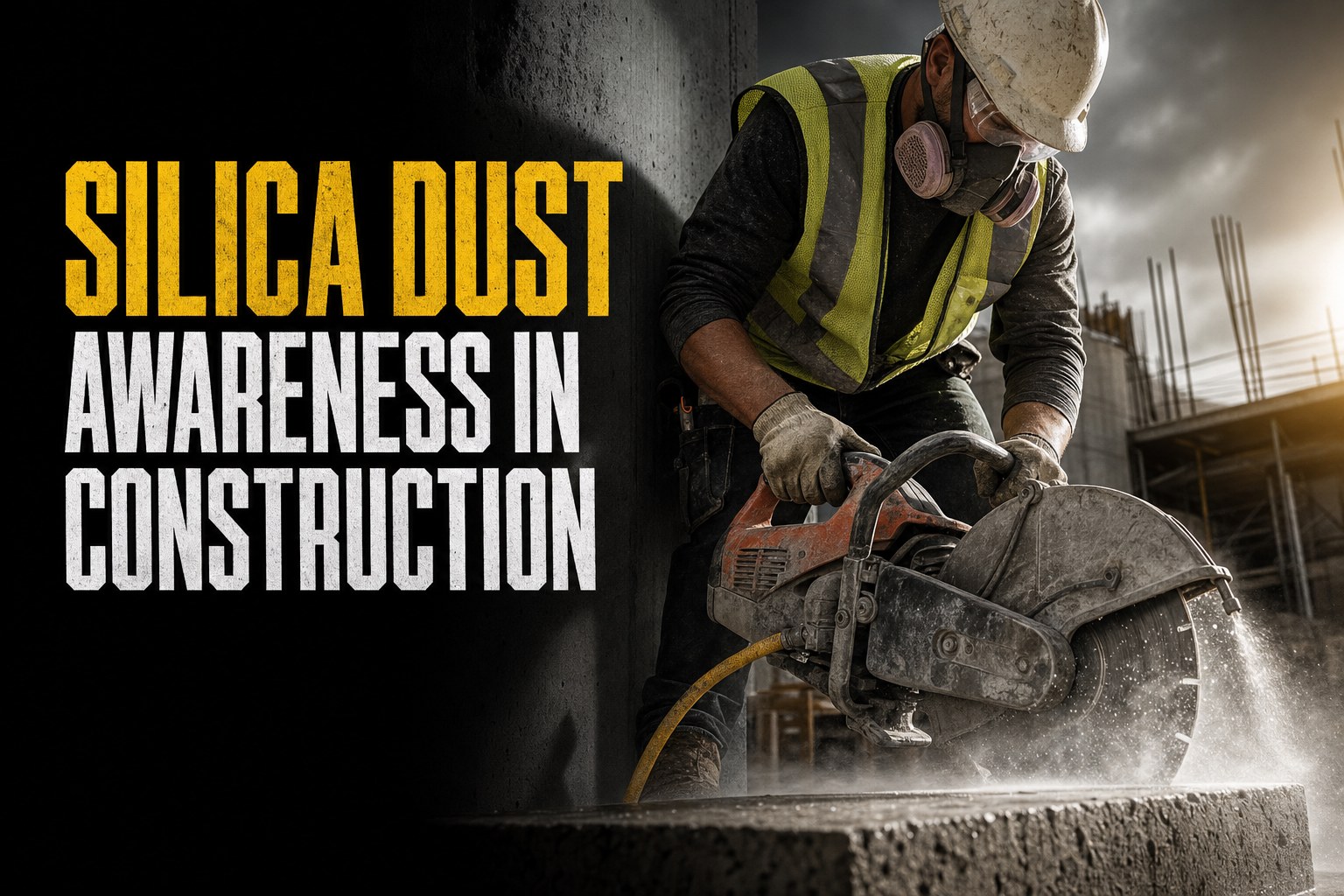
Recommended certification
Silica Dust Awareness in Construction
$40 · ~2h online · certificate issued same day · valid 2 years
Also read: Breland Homes Faces $115,855 OSHA Penalties After Fatal Trench · Houston Contractor Fined $343K After Excavation Collapse
- Awareness is Key: Be vigilant for tasks that create dust from concrete, brick, or rock. If you see dust, assume it could contain silica.
- Use Proper PPE: Always wear the appropriate respiratory protection (e.g., N95 respirators or higher-level protection) when required. Ensure you've had a medical evaluation and fit test to confirm your respirator provides effective protection.
- Report Concerns: If you believe you are exposed to silica dust without adequate controls, report it to your crew lead or safety manager immediately. Your health depends on it.
- Practice Good Housekeeping: Avoid dry sweeping or using compressed air to clean up silica dust, as this can aerosolize the particles. Use wet methods or HEPA-filtered vacuums instead.
For Crew Leads:
- Direct Supervision: Ensure that tasks generating silica dust are performed using required engineering and administrative controls, and that workers are properly using their personal protective equipment (PPE).
- Training Reinforcement: Verify that your team members have received and understood training on silica hazards, control measures, and the proper use of respirators.
- Equipment Readiness: Make sure all necessary safety equipment, such as water suppression systems, local exhaust ventilation, or appropriate respirators, is available and in good working order before tasks begin.
- Establish Regulated Areas: If exposure assessments indicate high silica levels, clearly mark and restrict access to these areas to authorized personnel only.
Crucial Steps for Safety Managers
For safety managers, the Watsontown Brick case highlights the absolute necessity of a robust program to control silica exposure, aligned with OSHA's Respirable Crystalline Silica standard (29 CFR 1926.1153 for construction). Key actions include:
This incident is a clear signal that OSHA is actively enforcing its silica standard. Companies failing to meet these requirements face not only significant financial penalties but also the severe moral and legal consequences of jeopardizing worker health.
Proactive Safety Prevents Penalties and Protects Lives
The Watsontown Brick Company's situation underscores that neglecting known hazards is a costly oversight. Proactive safety measures are not merely about avoiding fines; they are about safeguarding the health and well-being of every worker. By implementing comprehensive silica control programs, providing thorough training, and fostering a culture of vigilance, companies can prevent the devastating effects of silica exposure and ensure their teams return home safely every day.

