There's a single ladder most tower crews climb, even though the rungs come from different places: employer-defined Authorized and Competent Climber designations first, then NWSA's portable, exam-based TTT-1 and TTT-2 certifications, then NWSA's Foreman and specialty credentials on top. Confusing the rungs — thinking a Competent Climber sign-off is the same thing as TTT-1, for instance — is one of the most common gaps on a crew roster that fails an audit.
Here's the whole path in order, with what actually distinguishes each level.
Rung 1 and 2: Authorized and Competent Climber
These two designations aren't NWSA certifications — they're employer determinations, rooted in ANSI/ASSP A10.48 language and OSHA's "competent person" concept, and they're usually the first thing a new hand earns.
- Authorized Climber — trained and permitted to climb under supervision: fall protection systems, 100% tie-off, equipment inspection basics, climbing technique, self-rescue awareness. Authorized climbers do the work under someone else's judgment.
- Competent Climber — able to identify hazards and authorized to correct them: plans the climb, inspects and approves equipment, supervises Authorized Climbers, owns rescue readiness on site.
For the full breakdown of these two levels and the 50% crew-ratio rule carriers typically enforce, see competent climber vs. authorized climber.
Rung 3: TTT-1
TTT-1 is where the ladder shifts from an employer's internal determination to a portable, third-party credential. It's an NWSA exam — 85 multiple-choice questions, 90 minutes, $274, delivered online with a live proctor — and it certifies that you "can safely perform tasks on telecommunication sites under direct supervision." Unlike Authorized/Competent designations, TTT-1 travels with you between employers, which is a large part of why carriers increasingly require it specifically rather than accepting any employer's internal sign-off. Full process: TTT-1 certification: cost, requirements and how to get it.
Rung 4: TTT-2
TTT-2 requires an active TTT-1 first — no way around it — and certifies you "can safely perform tasks on telecommunication sites and is capable of supervision of TTT-1 technicians and trainees." It's a longer exam (100 questions, 2 hours) weighted more toward planning and fall-protection judgment. This is usually the credential that separates a senior hand from a crew lead on paper. Full comparison: TTT-1 vs TTT-2: the difference explained.
Unlike Authorized/Competent designations, TTT-1 travels with you between employers.
Rung 5: Foreman and the specialty certifications
Once you hold TTT-2, three more NWSA credentials open up, all requiring an active TTT-2 first:
- Foreman — a 70-question, 90-minute exam covering core crew-supervision knowledge: compliance with construction drawings and scopes of work, and the responsibilities of running a crew.
- Antenna & Line (A&L) Specialty — focused on antenna, transmission line, and mount installation, troubleshooting, and maintenance, with scenario-based practical questions.
- Advanced Rigging Concepts (ARC) Specialty — advanced rigging knowledge on standard and non-standard structures, built around ANSI/ASSP A10.48.
We cover A&L and ARC in more depth in NWSA specialty certifications after TTT-2. Each of these three costs $274 and runs five years, same as TTT-1 and TTT-2.
Where rigging training fits alongside the ladder
Separately from the NWSA ladder, most crews also need dedicated rigging training — TTT-1 and TTT-2 cover hoisting and rigging as one of five domains each, but a program built around NATE's Rigging Training Standard goes deeper on hardware, rope, and lifting configurations specifically. See how to build a rigging training program for your tower crew for how that fits alongside TTT-1/TTT-2 rather than replacing them.
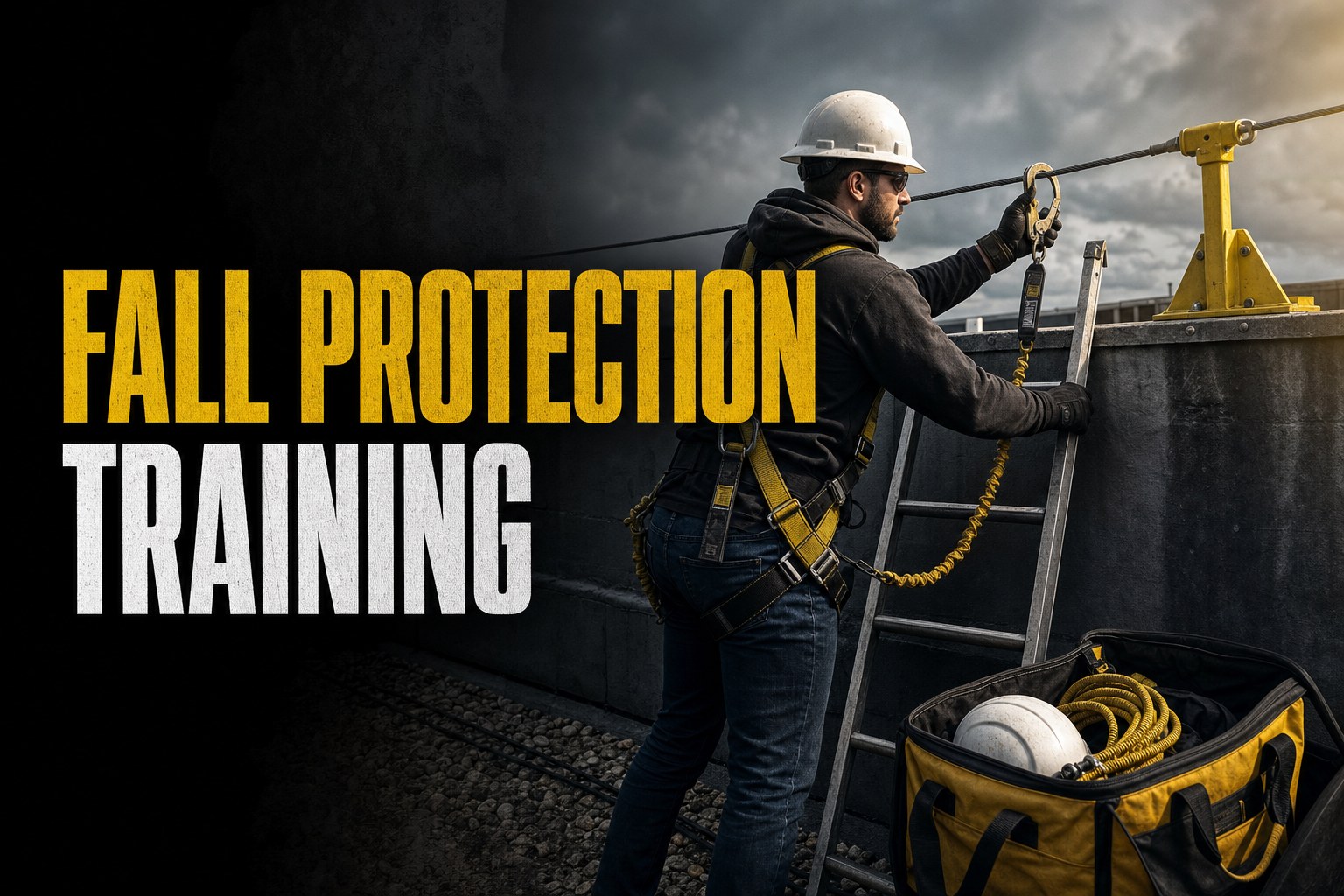
Recommended certification
Fall Protection Training
$30 · ~30 min online · certificate issued same day · valid 2 years
Also read: Competent Climber vs Authorized Climber: What’s the Difference on Tower Sites? · Monopole Collar Ring Mount Installation: New Video for Tower Safety
Mapping your own crew
A roster audit that catches problems before a carrier's does: list every climber, and next to each name mark their Authorized/Competent status, TTT-1/TTT-2 status with expiration dates, and any specialty or Foreman credentials. Most carrier checklists want at least half the crew at Competent Climber level with TTT-1 as a floor, and TTT-1 or TTT-2 specifically verified rather than assumed from tenure. Check what's actually being staffed against carrier requirements before the gate does it for you.
Getting started
Our TTT-1 Exam Prep course is built for the third rung — the point where a new or Authorized-level climber moves toward a portable, carrier-recognized credential. It covers all five TTT-1 domains with a 90-question practice test. It is not affiliated with or endorsed by NWSA, and it doesn't itself certify you.
A realistic timeline
There's no fixed schedule NWSA or any carrier publishes for how fast someone should move through this ladder, and pushing too fast tends to backfire — a technician who tests for TTT-2 before they've genuinely operated at a supervisory level in the field is more likely to fail an exam that specifically tests judgment, not just recall. A realistic pattern many crews follow informally: Authorized Climber status from day one of employment, Competent Climber designation once an employer has real field evidence to evaluate against, TTT-1 whenever the worker is ready to hold a portable credential (often alongside or shortly after Competent status), and TTT-2 only once a worker has actually been functioning in a lead role long enough to have the judgment the exam tests. Treating each rung as something to earn through real experience, not just eligibility, tends to produce better exam outcomes at every level.
Why the ladder exists instead of one combined credential
It might seem simpler if there were a single "tower certified" credential instead of five-plus separate rungs. The ladder structure exists because the actual job changes meaningfully at each level — what a new hand needs to know to work safely under supervision is genuinely different from what a crew lead needs to know to keep other people safe, which is different again from what a rigging specialist or Foreman needs. Collapsing that into one test would either water down the supervisory content or make entry-level certification unreasonably hard for someone just starting out. The multi-level structure lets each credential test exactly what that role actually requires.
Frequently asked questions
Is Competent Climber the same thing as TTT-1?
No. Competent Climber is an employer-defined designation based on ANSI/A10.48 and OSHA's competent-person concept; TTT-1 is a specific, portable NWSA exam-based certification. A worker can hold one without the other, though many carrier checklists expect both.
Can I skip straight to TTT-2 if I have years of climbing experience?
No. NWSA requires an active TTT-1 certification before you're eligible to apply for TTT-2, regardless of prior experience.
What's the highest level on the ladder?
Foreman, Antenna & Line Specialty, and Advanced Rigging Concepts Specialty all sit above TTT-2 and all require an active TTT-2 to apply. None ranks above the others — they're parallel specialties, not sequential rungs.
Does every crew need someone at every level?
Most carrier checklists require a mix — commonly at least half the crew at Competent Climber level with TTT-1, plus at least one TTT-2-level crew lead — rather than everyone holding every credential.
Sources
- NWSA Candidate Handbook — TTT-1, TTT-2, Foreman, A&L, and ARC eligibility and program descriptions
- NWSA: Telecommunications Tower Technician certification