
The National Wireless Safety Alliance (NWSA) has announced a significant update to its online examination protocols, implementing a strict zero-tolerance policy for testing environment requirements. This new policy, which takes effect on September 1, 2026, is a critical step in maintaining the integrity and reliability of its professional trade certification programs for the communications infrastructure industry. For tower climbers, crew leads, and safety managers, understanding and preparing for these changes is essential to ensure successful certification and uphold industry standards.
The New Standard for Online Exam Environments
The core of the NWSA's updated policy revolves around creating a secure and distraction-free testing space. Candidates taking Online Remote Proctored (ORP) exams must now adhere to stringent rules for the entire duration of their assessment. These requirements are designed to eliminate any potential for unfair advantage or compromise of the testing process.
Specifically, the NWSA mandates four key environment requirements:
This standardization across testing modalities ensures that whether an exam is taken in person or remotely, the conditions are as consistent and fair as possible, providing a valid and reliable assessment of a candidate's skills and knowledge.
Upholding Certification Integrity
NWSA's commitment to a zero-tolerance policy underscores its dedication to the values of Safety, Quality, and Proficiency. In an industry where lives depend on the competence of workers, the integrity of certifications is paramount. Rigorous testing environments help ensure that certified individuals have genuinely demonstrated the required knowledge and skills without external aid or undue influence.
Recommended certification
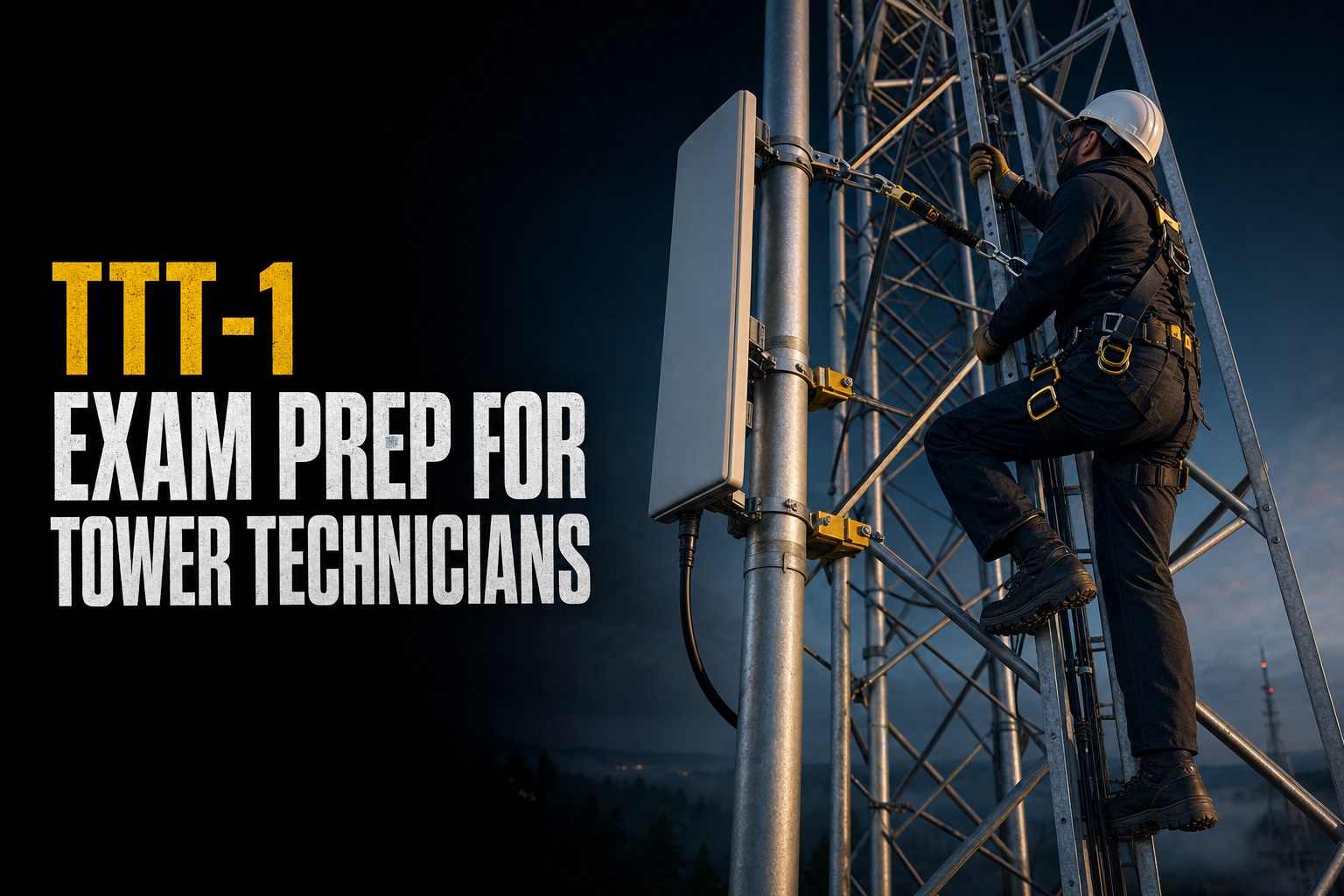
TTT-1 Exam Prep: Telecommunications Tower Technician 1
$120 · ~9h online · certificate issued same day · valid 2 years
Also read: Westlake, TX Cell Tower Battle: Federal Order vs. Local Appeal · Tower Climber Certification Path: From Authorized to Foreman
For the telecom and construction sectors, where complex tasks at height and with specialized equipment are common, certifications like those offered by NWSA are more than just credentials; they are indicators of a worker's foundational understanding of critical safety practices. By tightening these rules, NWSA reinforces public trust in its certifications and, by extension, in the certified workforce.
What This Means for Candidates: Prepare for Scrutiny
For any tower climber or construction worker planning to take an NWSA online certification exam, the message is clear: meticulous preparation of your testing environment is now as crucial as studying the material itself. A failure to meet any of the established requirements will result in not being permitted to take the exam, potentially delaying your certification and career progression.
Candidates should identify a suitable location well in advance. This means a room where you can truly be alone and undisturbed for the entire exam duration. Think about potential distractions: family members, pets, or even noise from outside the room. Proctors will be monitoring closely, and any perceived breach of the rules could lead to disqualification.
Candidates should identify a suitable location well in advance.
Furthermore, all potential visual aids must be covered. This includes not just whiteboards or extra monitors, but also ensuring windows or glass panels in doors are obscured. The goal is a completely neutral and private space, free from any information that could be referenced during the exam. This requires a proactive approach to setting up your testing area, perhaps even practicing a 'dry run' to ensure everything is compliant before your scheduled exam time.
Guidance for Crew Leads and Safety Managers
Crew leads and safety managers play a vital role in supporting their teams through the certification process. With these new NWSA rules, their responsibilities extend to ensuring that team members have access to appropriate testing environments and understand the gravity of the zero-tolerance policy.
Consider the logistical challenges. Does your company have a dedicated, private space that can be configured to meet these requirements for online exams? If not, how can you support employees who may need to take exams from home? This might involve providing guidance on how to prepare a compliant home office or offering flexible scheduling to accommodate the strict requirements. Communicating these new rules clearly and repeatedly to your team can prevent last-minute issues and reduce stress for candidates.
Ensuring that your crew members maintain their NWSA certifications is a cornerstone of a strong safety culture. By actively assisting them in navigating these new exam environment requirements, you contribute to their success and reinforce the team's overall commitment to safety and professional proficiency. It's not just about passing an exam; it's about validating the skills that keep everyone safe on the job site. These updated NWSA policies are a reminder that the pursuit of safety and quality is an ongoing, evolving process that demands diligence from all stakeholders.
