
On August 6, 2026, the Federal Communications Commission (FCC) announced a significant regulatory change, ending its long-standing 39% cap on local television station ownership. This decision, primarily impacting the media broadcasting landscape, might seem distant from the daily realities of telecom tower crews and construction workers. However, it serves as a timely reminder of the FCC's pervasive influence across the entire communications sector, including the critical infrastructure that supports our wireless world and the safety protocols governing its construction and maintenance.
The FCC's Far-Reaching Hand in Telecom Infrastructure
The FCC is a powerful independent agency of the United States government that regulates interstate and international communications by radio, television, wire, satellite, and cable. While its recent action focused on media consolidation, the FCC's broader mandate directly shapes the environment in which telecom tower crews operate daily.
The Commission is responsible for allocating and managing the nation's commercial spectrum, issuing licenses for wireless services, and establishing rules for the deployment of communications infrastructure. These responsibilities directly impact the growth of 5G networks, broadband expansion, and the ongoing need for new tower builds, modifications, and maintenance. Every decision, from spectrum auctions to equipment certification, creates the framework for the wireless industry, dictating where and how new technology is deployed.
This regulatory oversight ensures that wireless services are not only robust and competitive but also adhere to certain technical standards. For those in the field, understanding the FCC's role means recognizing that their work is part of a larger, highly regulated system designed to ensure reliable communication for the public. The agency's actions, even those not directly related to safety, can set precedents or signal shifts in regulatory philosophy that could eventually affect other areas of telecommunications.
RF Safety: A Direct Link to FCC Regulations
One of the most critical areas where the FCC's regulations directly intersect with the safety of telecom tower crews is Radiofrequency (RF) exposure. The FCC is responsible for establishing and enforcing limits on human exposure to RF electromagnetic fields from FCC-regulated transmitters. These limits are outlined in 47 CFR Part 1.1310 and are based on guidelines developed by expert organizations like the Institute of Electrical and Electronics Engineers (IEEE) and the National Council on Radiation Protection and Measurements (NCRP).
For tower climbers, RF technicians, and anyone working near antennas, understanding and complying with these RF exposure limits is paramount. Failure to do so can lead to potential health risks from overexposure, as well as significant fines and penalties for employers. The FCC mandates that licensees ensure their facilities comply with these limits, placing a direct responsibility on site owners and operators, which in turn flows down to crew leads and safety managers.
Effective RF safety programs are essential. They typically include comprehensive RF awareness training, the use of personal RF monitors, proper site signage, establishment of controlled access zones, and adherence to lockout/tagout procedures when working on or near active antennas. These measures are not merely best practices; they are integral to meeting FCC regulatory requirements and protecting workers.
Navigating a Dynamic Regulatory Environment
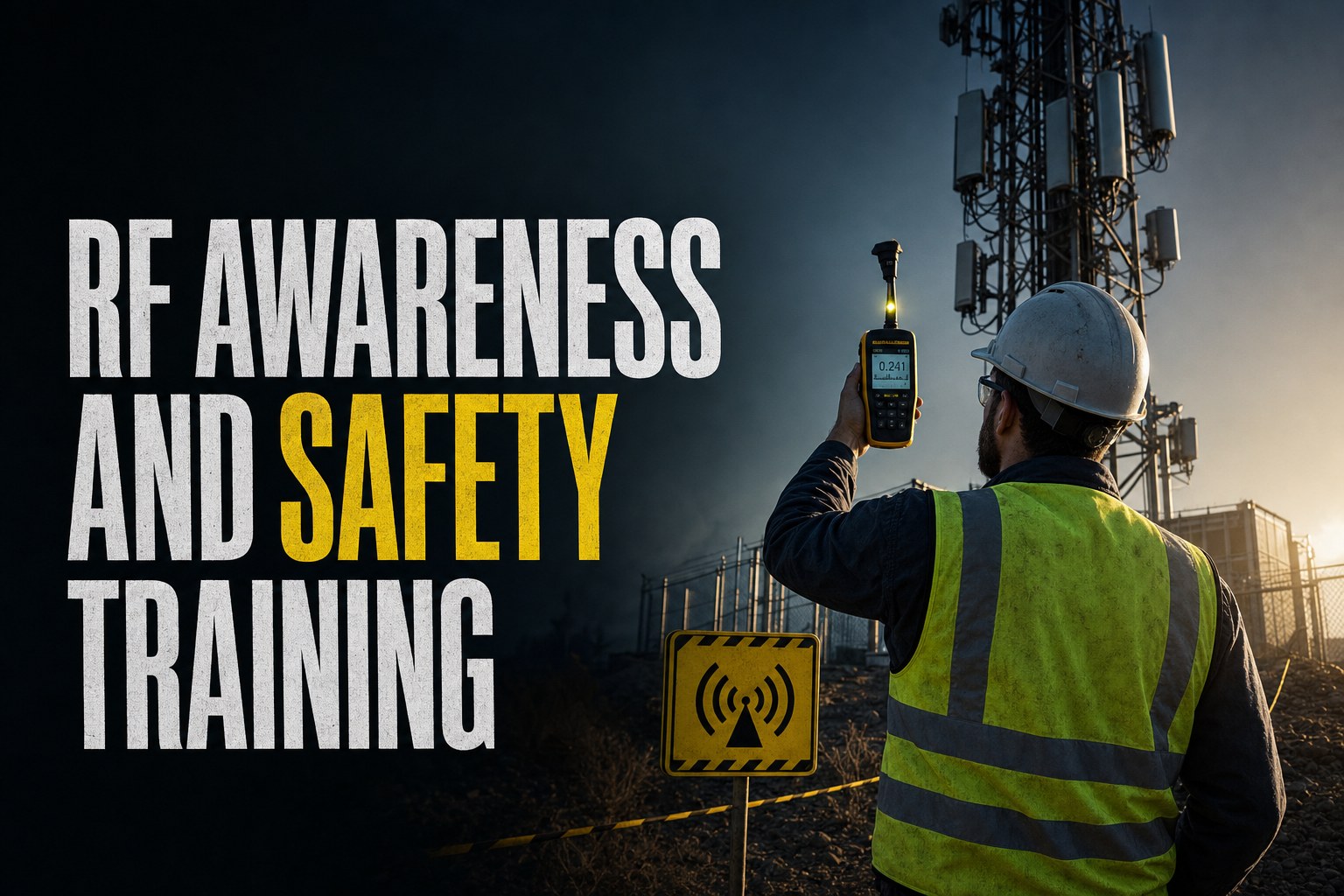
Recommended certification
RF Awareness & Safety Training
$49 · ~1h online · certificate issued same day · valid 2 years
Also read: RF Safety: State's Highest Court Affirms FCC Authority Over Local Bans · FCC Rules Clarify RF Limits: Focus on Human Safety in Tower Siting
The FCC's decision to end the 39% local TV station ownership cap, announced on August 6, 2026, highlights that the regulatory landscape is constantly evolving. While this specific change affects media, it underscores a broader truth: regulations across all sectors, including telecommunications, are subject to review, revision, and sometimes, elimination.
For field crews, crew leads, and safety managers, this dynamic environment means that staying informed and adaptable is not just beneficial, but necessary. Every regulatory shift, no matter how seemingly distant, reinforces the need for vigilance in adhering to all safety standards and operational guidelines. This isn't just about avoiding citations; it's about fostering a culture of proactive safety that anticipates changes and ensures worker protection remains the top priority.
Every regulatory shift, no matter how seemingly distant, reinforces the need for vigilance in adhering to all safety standards and operational guidelines.
Proactive safety management involves more than just reacting to new rules. It requires understanding the underlying principles of safety, staying updated on industry best practices, and ensuring that training programs reflect the latest regulatory requirements and technological advancements. This includes not only FCC-mandated RF safety but also OSHA standards covering fall protection (e.g., 1926.501), electrical safety, rigging, and aerial lift operation, all of which are critical to tower work.
The Importance of Continuous Training and Compliance
The ongoing regulatory activities of agencies like the FCC serve as a powerful reminder of the complex compliance environment in which the telecom industry operates. For those building and maintaining the nation's wireless infrastructure, this means a continuous commitment to education and adherence to standards.
Crew leads and safety managers play a pivotal role in translating these regulatory requirements into actionable safety protocols on the ground. This includes ensuring that all personnel receive adequate and up-to-date training, that equipment is properly maintained and inspected, and that site-specific safety plans account for all potential hazards, including RF exposure. A robust safety program, built to OSHA standards and aligned with FCC requirements, is the best defense against incidents and non-compliance.
As the communications industry continues to innovate and evolve, so too will the regulations governing it. By viewing each regulatory announcement, even those outside their immediate daily tasks, as a signal of this ongoing evolution, telecom professionals can better prepare for future changes and uphold the highest standards of safety and operational excellence.
Sources
- cnbc.com: FCC ends 39% local TV station ownership cap

