
A significant acquisition in Michigan's broadband landscape is poised to reshape the region's digital infrastructure, bringing with it both opportunities and critical safety considerations for the telecom tower industry. Michigan Broadband Services (MBS) is set to acquire substantially all assets of the Educational Access Network (EAN) from Northern Michigan University (NMU) in a deal valued at $21 million. This transaction, announced on August 26, 2026, signals a major push towards 5G expansion and enhanced network capabilities across 41 counties. For tower crews, crew leads, and safety managers, this means a likely surge in new projects, requiring diligent adherence to established safety protocols and a readiness for evolving technological demands.
A Major Investment in Michigan's Wireless Future
The $21 million acquisition by Michigan Broadband Services is not just a financial transaction; it's a strategic move to significantly upgrade and expand broadband services. MBS, a subsidiary of publicly traded MachTen, will gain licensed 2.5 GHz Educational Broadband Service spectrum covering portions of 41 counties. This spectrum is crucial for deploying next-generation wireless services. The deal also includes Nokia AirScale radio equipment already deployed across more than 70 tower sites, licensed microwave facilities, and other related network infrastructure. Funding for this substantial investment comes from Broadband Equity, Access, and Deployment (BEAD) program grant proceeds awarded to Upper Peninsula Telephone Company (UPTC), a Michigan Broadband subsidiary, along with financing from the National Cooperative Services Corporation. EAN currently serves approximately 7,500 subscribers and generates around $2.5 million annually.
The Impending 5G Upgrade Cycle
One of the most immediate and impactful outcomes of this acquisition is MBS's commitment to upgrading the acquired 4G LTE network to 5G. This isn't merely a software update; it involves significant physical work on existing tower sites. Crews will be tasked with installing new 5G-capable Nokia AirScale radio equipment, potentially replacing or augmenting existing gear. Additionally, MBS plans to expand both the fiber and microwave backhaul infrastructure, aiming to increase speed, capacity, reliability, and reach across the network. These upgrades will enable service to eligible locations within its enhanced A-CAM and BEAD deployment areas.
The impending 5G upgrade cycle and network expansion will place new demands on the workforce, emphasizing the need for up-to-date training and rigorous safety practices.
What This Means for Field Crews and Safety
The impending 5G upgrade cycle and network expansion will place new demands on the workforce, emphasizing the need for up-to-date training and rigorous safety practices. For tower climbers and field technicians, this means:
- Increased Workload: A significant number of tower sites will require physical upgrades, installations, and commissioning. This translates to more time spent at height, handling new equipment, and working with expanded fiber and microwave systems.
- RF Awareness: The deployment of 5G equipment, especially with new spectrum, necessitates heightened awareness of radio frequency (RF) hazards. Crews must ensure proper lockout/tagout procedures for RF sources and adhere to established safety boundaries.
- Fall Protection: With more work at height, the importance of 100% tie-off, proper use of personal fall arrest systems (PFAS), and thorough pre-climb inspections becomes even more critical. Every climb, every installation, every maintenance task carries inherent risks that robust fall protection protocols mitigate.
- Electrical Safety: Working with new radio equipment and expanded backhaul infrastructure means potential exposure to electrical hazards. Understanding arc flash risks, proper grounding, and Lockout/Tagout (LOTO) procedures is paramount.
- Rigging and Lifting: Installing heavier 5G antennas and associated equipment will require precise rigging and lifting operations. Crew leads must ensure all personnel are trained in safe rigging practices, load calculations, and equipment inspection.
- New Technology Familiarity: While Nokia AirScale equipment is mentioned, the specific 5G components will be new to many. Training on installation, testing, and troubleshooting procedures for this new technology will be essential.
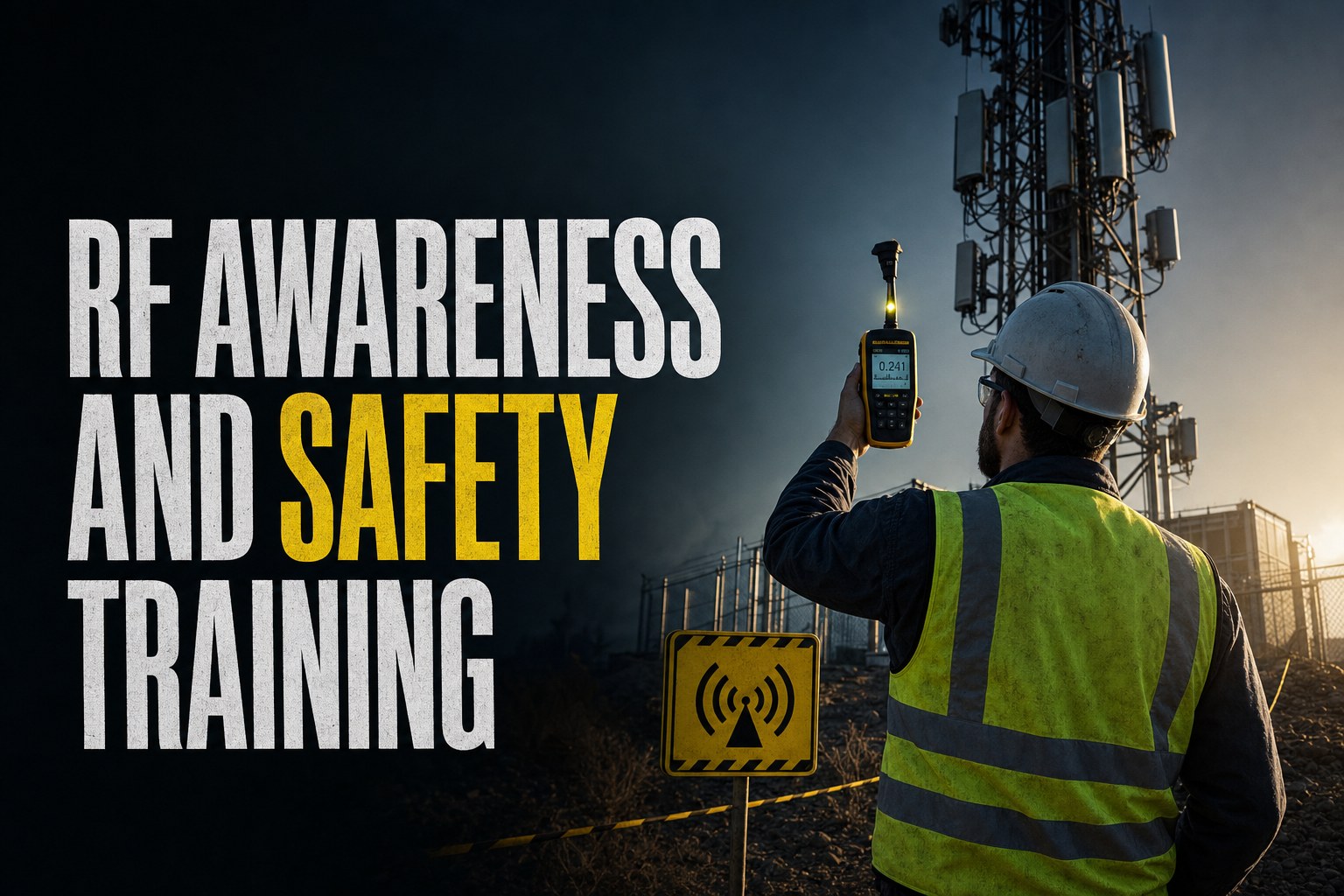
Recommended certification
RF Awareness & Safety Training
$49 · ~1h online · certificate issued same day · valid 2 years
Also read: Louisiana's Broadband Boom: Opportunities and Safety for Telecom Crews · FWA Growth Brings Speed Declines: What It Means for Tower Crews

The Critical Role of Leadership in Safety
Crew leads and safety managers will play an indispensable role in ensuring these network upgrades proceed efficiently and, most importantly, safely. Their responsibilities will expand to include:
- Training and Competency: Ensuring that all crew members receive adequate training for new equipment, 5G deployment techniques, and any updated safety protocols. This includes refresher training on core safety competencies like fall protection and RF awareness.
- Site-Specific Hazard Analysis: Conducting thorough Job Safety Analyses (JSAs) for each site, accounting for the specific challenges of 5G upgrades, expanded backhaul, and potential multi-carrier operations if wholesale partnerships develop.
- Equipment Readiness: Verifying that all personal protective equipment (PPE), climbing gear, rigging equipment, and test instruments are inspected, in good working order, and appropriate for the tasks at hand.
- Communication and Coordination: Facilitating clear communication between the crew, project managers, and other contractors on site. This is especially important for coordinating work around active RF sources or shared infrastructure.
- Compliance Monitoring: Regularly reviewing work practices against OSHA standards, particularly those related to fall protection (OSHA 1926.501), electrical safety, and RF exposure limits. Adherence to these standards is non-negotiable for preventing incidents.
MBS President Phil Truran's statement that "Our focus will be on execution: maintaining service during the transition, improving backhaul, upgrading equipment and delivering a better customer experience at an affordable price" underscores the operational intensity of this project. Safety must be an integral part of this execution focus from day one.
Sustained Demand for Skilled, Safe Workforce
This acquisition, fueled in part by BEAD grant proceeds, highlights the ongoing national commitment to expanding broadband access, especially in underserved areas. The investment in upgrading 4G to 5G and expanding fiber/microwave backhaul suggests a sustained demand for skilled telecom technicians and tower climbers. MBS's stated intention to explore strategic wholesale partnerships that could enable it to deliver mobile voice and data alongside its fixed broadband services further points to a future of complex, multi-faceted tower work. Combining MBS's tower, fiber, and licensed spectrum with carrier partners' mobile networks could reduce coverage gaps and dead zones, but also means more potential co-location challenges and increased RF complexity on sites.
The workforce that builds and maintains this infrastructure must not only be technically proficient but also deeply ingrained in a culture of safety.


