
The U.S. Department of Labor has proposed $446,864 in penalties against ModWash LLC, a New Jersey car wash service, for willfully exposing workers to hazardous energy and excessive noise levels.
This significant enforcement action, announced by OSHA on September 23, 2026, serves as a stark reminder for construction and telecom industries that foundational safety programs like Lockout/Tagout (LOTO) and hearing conservation are non-negotiable, regardless of the work environment. The violations cited, including willful and repeat offenses, underscore a profound failure to protect workers from preventable dangers.
The High Cost of Neglecting Lockout/Tagout
OSHA's investigation found ModWash LLC willfully exposed its employees to hazardous energy by failing to lock out equipment before maintenance and not implementing proper energy control procedures. Hazardous energy can be electrical, mechanical, hydraulic, pneumatic, chemical, thermal, or other forms that can cause injury if unexpectedly released during servicing or maintenance.
The agency also cited ModWash for two repeat violations, specifically for lacking clear lockout procedures with specific instructions for controlling all energy sources, and for failing to train employees on equipment lockout/tagout processes. Additionally, five serious violations were issued for not providing LOTO devices and not attaching them to machines prior to servicing.
These findings highlight a systemic breakdown in safety protocols. A "willful" violation is one committed with intentional disregard of, or plain indifference to, the requirements of the Occupational Safety and Health Act and regulations. "Repeat" violations occur when an employer has been cited previously for a substantially similar condition or hazard. Both classifications carry significantly higher penalties, reflecting the severity of the employer's negligence.
Beyond the Car Wash: LOTO on Construction and Telecom Sites
While the incident occurred at a car wash, the lessons regarding hazardous energy control are directly applicable and critically important for telecom tower crews and construction workers. On a job site, workers routinely interact with machinery and equipment that contain stored or active energy, such as:
- Generators and electrical panels: Accidental startup or energization during maintenance can lead to electrocution.
- Heavy machinery: Cranes, excavators, and aerial lifts can cause crushing injuries if hydraulics or mechanical parts move unexpectedly.
- RF equipment: While not typically associated with mechanical LOTO, proper procedures are essential for de-energizing electrical components before working on them.
Ignoring established safety protocols, especially for hazardous energy control, is not just a regulatory oversight; it's a direct threat to worker lives and livelihoods.
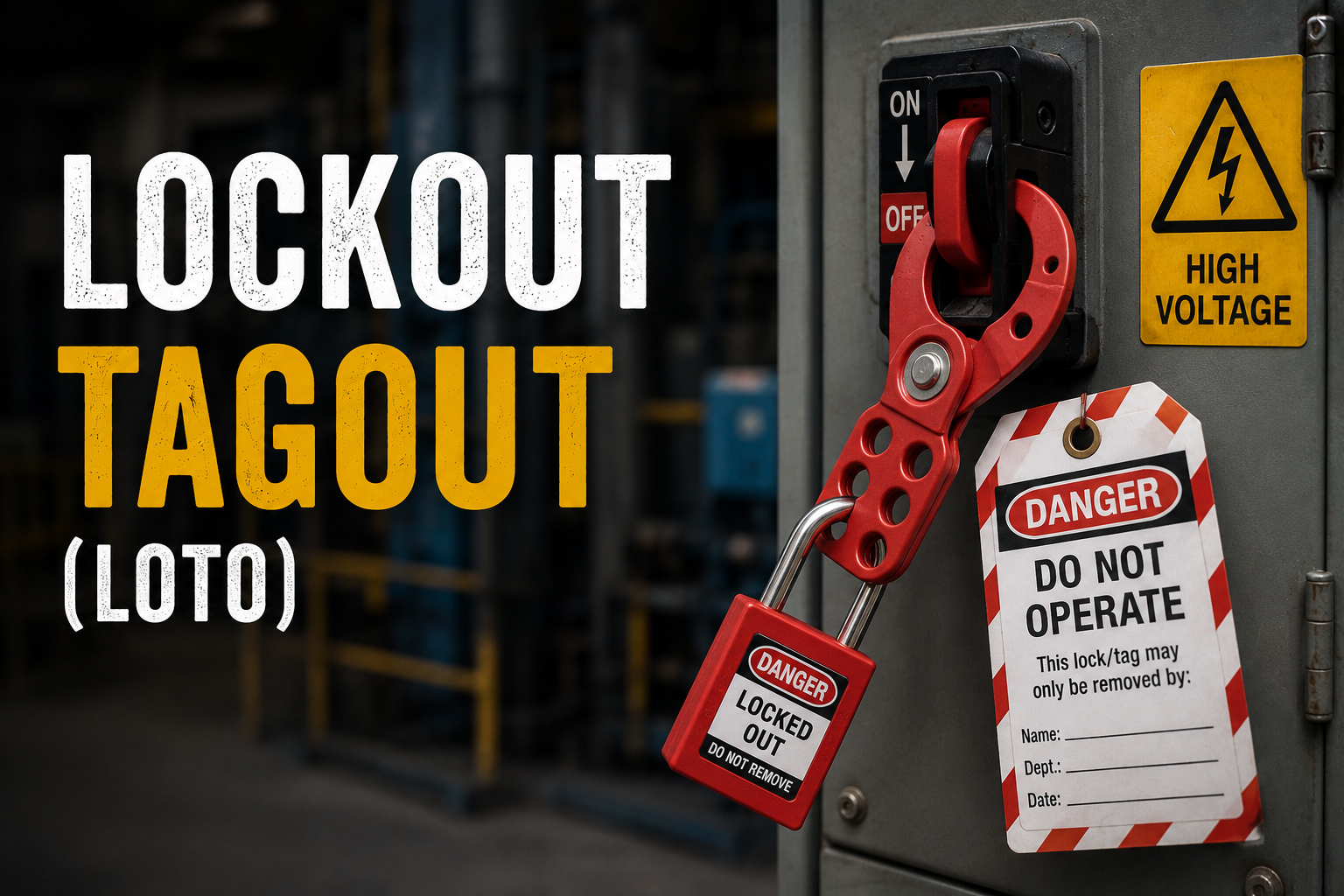
Recommended certification
Lockout Tagout (LOTO) Certification
$30 · ~1h online · certificate issued same day · valid 2 years
Also read: Breland Homes Faces $115,855 OSHA Penalties After Fatal Trench · Preventing Trench Fatalities: Key Takeaways from NUCA's Safety Month
Ignoring established safety protocols, especially for hazardous energy control, is not just a regulatory oversight; it's a direct threat to worker lives and livelihoods.
For field crews, this means always verifying that equipment is de-energized and locked out before beginning any maintenance, servicing, or unjamming operations. For crew leads and safety managers, it means ensuring that every piece of equipment with hazardous energy has a clear, written LOTO procedure, that those procedures are understood and followed, and that all affected employees receive comprehensive and regular training.
The Silent Threat: Noise Exposure and Hearing Conservation
Beyond LOTO, ModWash was also cited for multiple serious violations related to noise exposure. These included failing to develop and implement a noise monitoring program, establish baseline audiograms for employees within six months of exposure, and train employees exposed to noise above 85 decibels. The company also failed to provide lockout/tagout devices and attach them to machines prior to servicing them.
Excessive noise exposure is a common, yet often overlooked, hazard in construction and telecom. Prolonged exposure to noise levels above 85 decibels (dBA) over an 8-hour workday can lead to permanent hearing loss. This threshold is equivalent to the noise level of heavy city traffic or a noisy restaurant. On a job site, the combined noise from generators, power tools, compressors, and vehicle traffic can easily exceed this limit.
For workers on towers or construction sites, hearing protection is vital. Safety managers must ensure that noise levels are monitored, and if they exceed OSHA's action level of 85 dBA, a comprehensive hearing conservation program must be implemented. This program includes annual audiometric testing to track hearing changes, providing appropriate hearing protection (like earplugs or earmuffs), and training employees on the effects of noise, the purpose of hearing protection, and how to use it correctly.
Lessons for Safety Managers and Crew Leads
This incident, despite occurring in a different industry, offers critical takeaways for safety professionals in telecom and construction:
- Proactive Program Development: Don't wait for an incident or an OSHA inspection. Develop and implement robust safety and health programs built to OSHA standards before hazards lead to injuries or citations. This includes specific LOTO procedures for every piece of equipment and a comprehensive hearing conservation program.
- Thorough Training is Essential: Training isn't a one-time event. Employees must be trained on LOTO procedures, the recognition of hazardous energy, and the proper use of LOTO devices. Similarly, noise-exposed workers need training on hearing conservation, the risks of noise, and correct use of hearing protection. Retraining should occur when job assignments change, new equipment is introduced, or procedures are updated.
- Provide the Right Tools and PPE: Employers are responsible for providing all necessary LOTO devices and personal protective equipment (PPE), including appropriate hearing protection, at no cost to employees. Crucially, these tools must be used correctly and consistently.
- Consistent Enforcement and Supervision: Crew leads and safety managers must actively supervise work to ensure LOTO procedures are followed every time. A culture of safety means holding everyone accountable for adhering to established protocols.
- Understand Classification of Violations: Willful and repeat violations carry severe financial penalties and reflect a serious breach of an employer's duty to protect workers. Understanding these classifications can underscore the importance of addressing known hazards promptly and effectively.
The ModWash case serves as a powerful reminder that fundamental safety practices are universal. Prioritizing hazardous energy control and hearing conservation is not just about compliance; it's about protecting the lives and well-being of every worker on the job.

